
Futmak · الفتوحات المكية · Meccan Revelations

Les Futûhât al-Makkiyya

Volume du manuscrit 13 · Page 303

Manuscrit de Konya

Ouvrir la source arabeOuvrir la traduction anglaise

Arabe

هو حال وليس بمقام، وهو مؤد إلى خراب القلوب، وفي طيه مكر إلهي إلا للعارف؛ فإنه لا يخرج عن مقام الحزن إلا من أقيم في مقام سلب الأوصاف عنه. قيل لأبي يزيد: «كيف أصبحت؟» قال: «لا صباح لي ولا مساء، إنما هما لمن تقيد بالصفة، وأنا لا صفة لي». وذٰلك لما سأله بكيف وهي للحال، وهو من أمهات المطالب الأربعة.

وله من النسب الإلهية: ﴿سَنَفْرُغُ لَكُمْ أَيُّهَ الثَّقَلانِ﴾ [الرحمن: 31] على قراءة الكسائي، و﴿كُلَّ يَوْمٍ هُوَ في شَأْنٍ﴾ [الرحمن: 29]، ويخفض القسط ويرفعه؛ فهٰذا مقام الكيف في الإلهيات.

(التعريف بالحال في قول أبي يزيد)

وأما أبو يزيد فما قصد التمدح بهٰذا القول، وإنما قصد التعريف بحاله؛ فإن الصباح والمساء لله لا له، وهو المقيد تعالى بالصفة، والعبد العنصري مقيد بالصباح والمساء غير مقيد بالصفة. ولهٰذا نفى الصفة فقال: «لا صفة لي». ﴿لهم رزقهم فيها بكرة وعشيا﴾ [مريم: 62]، فالصباح والمساء يملكه، ولا ملك لأبي يزيد عليهما؛ لأنهما بالصفة يملكان، وأبو يزيد لا صفة له.

فمن لا علم له بالمقام يتخيل أن أبا يزيد تأله في هٰذا القول، ولم يقصد ذٰلك رضي الله عنه، بل هو أجل من أن يعزي إليه مثل هٰذا التأويل في قوله هٰذا. فإن قال من يتأول عليه خلاف ما قلناه من أنه تأله في قوله، بقوله: «ضحكت زمانا وبكيت زمانا، وأنا اليوم لا أضحك ولا أبكي»، فاعلم أنه ثم تجلٍّ يضحك.

وما رأيت أحدا في هٰذا الطريق من أهل الضحك إلا واحدا يقال له علي السلاوي، سحت معه وصحبته سفرا وحضرا بالأندلس؛ لا يفتر عن الضحك شبه الموله، وما رأيته جرى عليه قط لسان ذنب. وأما البكاءون فما رأيت منهم إلا واحدا،
Anglais

Leaving sorrow is a state, not a station. It leads to the ruin of hearts, and within it lies a divine ruse, except for the knower. Only one established in the station of having attributes removed from him leaves sorrow’s station. Abu Yazid was asked, “How are you this morning?” He said, “I have no morning or evening. They belong only to one restricted by an attribute, and I have no attribute.” This was because he was asked with “how,” which concerns the state and is one of the four principal questions.

Among its divine relations is “We shall devote Ourselves to you, O two weighty kinds” [al-Rahman 55:31], according to al-Kisaʾi’s reading, and “Every day He is engaged in an affair” [al-Rahman 55:29]. He lowers the balance and raises it. This is the station of “how” in divine matters.

(Making Known the State in Abu Yazid’s Saying)

Abu Yazid did not intend self-praise through this saying, but to make his state known. Morning and evening belong to God, not to him. He, exalted is He, is the One restricted by attribute, while the elemental servant is restricted by morning and evening, not by attribute. For this reason he denied attribute, saying, “I have no attribute.” “Their provision is theirs therein morning and evening” [Maryam 19:62]. Morning and evening own him, while Abu Yazid has no ownership over them, for they are owned through attribute, and Abu Yazid has no attribute.

One without knowledge of the station imagines Abu Yazid divinized himself in this saying. He did not intend this, may God be pleased with him. He is too great for such an interpretation of this saying to be attributed to him. If one interpreting him contrary to what we have said, as divinizing himself, cites his saying, “I laughed for a time and wept for a time, and today I neither laugh nor weep,” know that there is a self-disclosure that makes one laugh.

I saw only one person of laughter upon this path, called ʿAli al-Salawi. I traveled and kept company with him, journeying and resident, in al-Andalus. He never ceased laughing, like one infatuated. I never saw the language of sin applied to him. As for the weepers, I saw only one,

Notes

Translator’s note TN4057-1: The explanation distinguishes the ownership implied by “I have no morning or evening” from the elemental servant’s being subject to morning and evening. “The language of sin” retains the source’s expression rather than expanding it into a claim of absolute protection from sin.

Translator’s note TN4057-2: The supplied quotation uses first-person plural “We,” while the author attributes it to al-Kisaʾi’s reading. Both the wording and attribution are retained.

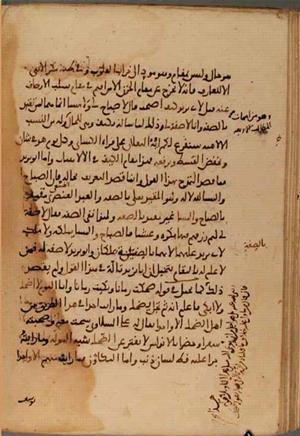
Image du manuscritVolume du manuscrit 13 · Page 303

Les textes arabe et anglais sont reliés par le même identifiant de page de Konya. La répartition est approximative ; vérifiez le manuscrit.

Référence de la source du Caire

Ibn al-Arabi, The Meccan Revelations — Volume du manuscrit 13 · Page 303 — https://www.futmak.com/francais/konya/pages.php?id=4057&text=both