
Futmak · الفتوحات المكية · Meccan Revelations

Les Futûhât al-Makkiyya

Volume du manuscrit 13 · Page 302

Manuscrit de Konya

Ouvrir la source arabeOuvrir la traduction anglaise

Arabe

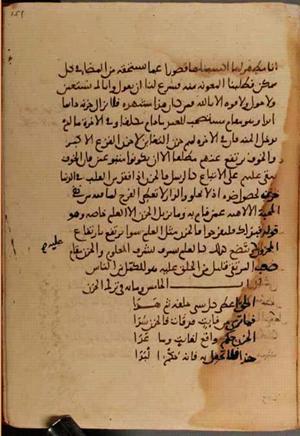
أنا مظهر لها أكسبناها قصورا عما تستحقه من المضاء في كل ممكن. فطلبنا المعونة منه، فشرع لنا أن نقول: ﴿وإِيَّاكَ نَسْتَعِينُ﴾، و«لا حول ولا قوة إلا بالله».

فمن كان هٰذا مشهده فلا يزال حزنه دائما أبدا، وهو مقام مستصحب للعبد ما دام مكلفا، وفي الآخرة ما لم يدخل الجنة؛ فإن في الآخرة لهم حزن التغابن لا حزن الفزع الأكبر. والخوف يرتفع عنهم مطلقا إلا أن يكونوا متبوعين، فإن الخوف يبقى عليهم على الاتباع كالرسل.

فالحزن إذا فقد من القلب في الدنيا خرب لحصول ضده إذ لا يخلو، والدار لا تعطي الفرح لما فيه من نفي المحبة الإلهية عمن قام به. وما يزيل الحزن إلا العلم خاصة، وهو قوله: ﴿فَبِذٰلك فَلْيَفْرَحُوا﴾ [يونس: 58]. فالحزن مثل العلم سواء، يرتفع بارتفاع المحزون عليه ويتضع كذٰلك، كالعلم يشرف بشرف المعلوم. والحزن مقام صعب المرتقى، قليل من الخلق عليه، هو للكمل من الناس.

الباب الخامس ومائة في ترك الحزن

الحق أعطى كل شي‏ء

خلقه ثم هدى‏

فما ترى من فائت

قد فات فالحزن سدى‏

الحزن حكم واقع

لفائت وما عدا

هٰذا فلا تحفل به

فإنه حكم البدا
Anglais

we are its locus of manifestation, we impart to it a shortcoming in the efficacy over every possible thing that it deserves. We therefore seek assistance from Him. He prescribes for us to say, “You alone we ask for help,” and “There is no might and no power except through God.”

One whose witnessing is this has perpetual, unceasing sorrow. It is a station accompanying the servant as long as he is legally accountable, and in the Hereafter until he enters the Garden. In the Hereafter they have the sorrow of mutual loss, not the sorrow of the greatest terror. Fear leaves them entirely, unless they are followed, in which case fear remains upon them for their followers, as with the messengers.

If sorrow is absent from the heart in this world, the heart is ruined, for its opposite arises, since it cannot be empty. The abode does not yield joy, because it entails denying divine love to one possessing it. Only knowledge removes sorrow. It is His saying, “In that let them rejoice” [Yunus 10:58]. Sorrow is just like knowledge: it rises as its object rises and likewise falls, just as knowledge is ennobled by the nobility of its object. Sorrow is a station difficult to ascend, possessed by few creatures. It belongs to the perfect among people.

Chapter One Hundred and Five: On Leaving Sorrow

The Real gave everything

its creation, then guided.

Whatever missed thing you see

has been missed: sorrow is in vain.

Sorrow is a ruling occurring

for a missed thing. What goes beyond

this, pay no heed to it,

for it is the judgment of badā.

Notes

Translator’s note TN4056-1: The supplied al-badā is left transliterated because its reading is uncertain. Possibilities include initial appearance or first view, beginning, and a newly appearing or revised opinion. No specific technical doctrine is supplied by the wording.

Image du manuscritVolume du manuscrit 13 · Page 302

Les textes arabe et anglais sont reliés par le même identifiant de page de Konya. La répartition est approximative ; vérifiez le manuscrit.

Référence de la source du Caire

Ibn al-Arabi, The Meccan Revelations — Volume du manuscrit 13 · Page 302 — https://www.futmak.com/francais/konya/pages.php?id=4056&text=both