
Futmak · الفتوحات المكية · Meccan Revelations

Les Futûhât al-Makkiyya

Volume du manuscrit 13 · Page 177

Manuscrit de Konya

Ouvrir la source arabeOuvrir la traduction anglaise

Arabe

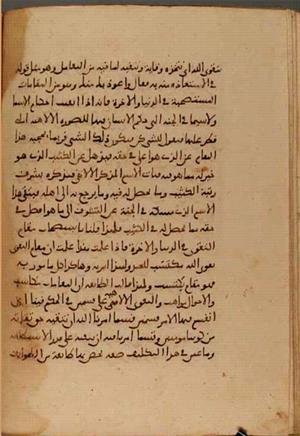
بتقوى الله، أي نتخذه وقاية ونتقيه لما فيه من التقابل، وهو مثل قوله في الاستعاذة منه به، فقال: «وأعوذ بك منك». وهو من المقامات المستصحبة في الدنيا والآخرة.

فإنه إذا اتقيت أحكام الأسماء، ولا سيما في الجنة التي حكم الإنسان فيها للصورة الإلهية التي فطر عليها، فيقول للشيء: «كن» فيكون ذٰلك الشيء، فربما يحجبه هٰذا المقام عن الذي هو أعلى في حقه؛ فيذهل عن الكثيب الذي هو خير له مما هو فيه. فيأتي الاسم المذكر الإلهي فيذكره بشرف رتبة الكثيب وما يحصل له فيه وما يرجع به إلى أهله، فيتقي هٰذا الاسم الذي مسكه في الجنة عن التشوق إلى ما هو أفضل في حقه مما يحصل له في الكثيب.

فلهٰذا قلنا باستصحاب مقام التقوى في الدنيا والآخرة. فإذا علمت هٰذا علمت إن مقام التقوى، تقوى الله، مكتسب للعبد، ولهٰذا أمر به. وهكذا كل مأمور به فهو مقام يكتسب، ولهٰذا قالت الطائفة: «إن المقامات مكاسب، والأحوال مواهب».

(حق التقوى والاستطاعة)

والتقوى الإلهية على قسمين في الحكم فينا، أي انقسم فيها الأمر قسمين: قسما أمرنا الله أن نتقيه حق تقاته من كوننا مؤمنين، وقسما أمرنا فيه أن نتقيه على قدر الاستطاعة. وما عين في هٰذا التكليف صفة يخص بها طائفة من الطوائف
Anglais

to Godwariness: taking Him as protection and guarding against Him because of the opposition within Him. This is like seeking refuge from Him through Him, saying, “I seek refuge through You from You.” It is among the stations accompanying one in this world and the Hereafter.

When you guard against the rulings of the names—especially in the Garden, where the human being's rule is through the divine Form upon which he was fashioned, so that he says to a thing, “Be,” and it is—that station may veil him from what is higher for him, distracting him from the Dune, which is better for him than his present state. The divine name the Reminder comes and reminds him of the nobility of the Dune's rank, what he attains there, and what he brings back to his family. He therefore guards against the name that detained him in the Garden from longing for what is better for him, what he attains upon the Dune.

For this reason we say that the station of Godwariness accompanies one in this world and the Hereafter. Knowing this, you know that the station of Godwariness, wariness of God, is acquired by the servant, which is why he is commanded to it. Everything commanded is thus a station to be acquired. Hence the group says: “Stations are acquisitions, and states are gifts.”

(The Due of Godwariness and Capacity)

Divine Godwariness divides into two in its ruling within us: the command concerning it has two divisions. In one, God commands us to be wary of Him as is His due, insofar as we are believers. In the other, He commands us to be wary of Him according to capacity. In this charge He specifies no attribute particular to one group among the groups,

Image du manuscritVolume du manuscrit 13 · Page 177

Les textes arabe et anglais sont reliés par le même identifiant de page de Konya. La répartition est approximative ; vérifiez le manuscrit.

Référence de la source du Caire

Ibn al-Arabi, The Meccan Revelations — Volume du manuscrit 13 · Page 177 — https://www.futmak.com/francais/konya/pages.php?id=3931&text=both