
Futmak · الفتوحات المكية · Meccan Revelations

Les Futûhât al-Makkiyya

Volume du manuscrit 9 · Page 185

Manuscrit de Konya

Ouvrir la source arabeOuvrir la traduction anglaise

Arabe

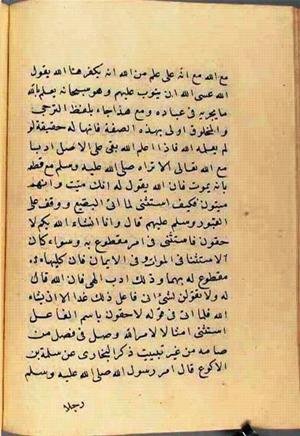
مع الله، مع أنه على علم من الله أنه يكفرها الله.

يقول الله: ﴿عَسَى الله أَنْ يَتُوبَ عَلَيْهِمْ﴾ [التوبة: ١٠٢]، وهو سبحانه يعلم ما يجريه في عباده، ومع هٰذا جاء بلفظ الترجي، والمخلوق أولى بهذه الصفة؛ فإنها له حقيقة لو لم يعلمه الله. فإذا أعلمه الله، بقي على الأصل أدبا مع الله تعالى.

أ لا تراه صلى الله عليه وسلم مع قطعه بأنه يموت، فإن الله يقول له: ﴿إِنَّكَ مَيِّتٌ وإِنَّهُمْ مَيِّتُونَ﴾ [الزمر: ٣٠]؛ فكيف استثنى لما أتى البقيع ووقف على القبور وسلم عليهم، قال: «وإنا إن شاء الله بكم لاحقون»؟

فاستثني في أمر مقطوع به؛ وسواء كان الاستثناء في الموت أو في الايمان، فإن كليهما مقطوع له بهما؛ وذٰلك أدب إلهي؛ فإن الله قال له: ﴿ولا تَقُولَنَّ لِشَيْءٍ إِنِّي فاعِلٌ ذٰلك غَداً إِلَّا أَنْ يَشاءَ الله﴾ [الكهف: ٢٣، ٢٤]. فلما أتى في قوله: «لاحقون» باسم الفاعل، استثنى امتثالا لأمر الله تعالى.

وصل في فصل من صامه من غير تبييت

ذكر البخاري عن سلمة بن الأكوع قال: أمر رسول الله صلى الله عليه وسلم
Anglais

with God, though he knows from God that God expiates them.

God says, “Perhaps God will turn toward them” [al-Tawbah 9:102]. He, glory be to Him, knows what He will bring about in His servants, yet He uses the expression of hope. The creature has a greater claim to that quality, since it truly belongs to him had God not informed him. When God informs him, he remains with the original expression out of proper conduct with God, exalted is He.

Do you not see that he, may God bless him and grant him peace, was certain he would die, for God tells him, “You will die, and they will die” [al-Zumar 39:30]? Yet when he came to al-Baqīʿ, stood by the graves, and greeted them, why did he qualify his statement, saying, “We shall, if God wills, join you”?

He made an exception concerning something certain, whether the exception concerned death or faith, for both were certain for him. This is divine proper conduct. God told him, “Do not say of anything, ‘I shall do that tomorrow,’ except that God wills” [al-Kahf 18:23, 24]. Since he used the active participle in saying “joining you,” he made the exception in obedience to God’s command, exalted is He.

Continuation on One Who Fasts It without Forming the Intention by Night

Al-Bukhārī relates from Salamah ibn al-Akwaʿ that the Messenger of God, may God bless him and grant him peace, commanded

Notes

Translator’s note TN2709-1: The expression “if God wills” is called an exception here. The argument concerns retaining the form of hope and qualification as proper conduct even when one has certainty.

Image du manuscritVolume du manuscrit 9 · Page 185

Les textes arabe et anglais sont reliés par le même identifiant de page de Konya. La répartition est approximative ; vérifiez le manuscrit.

Référence de la source du Caire

Ibn al-Arabi, The Meccan Revelations — Volume du manuscrit 9 · Page 185 — https://www.futmak.com/francais/konya/pages.php?id=2709&text=both