
Futmak · الفتوحات المكية · Meccan Revelations

Les Futûhât al-Makkiyya

Volume du manuscrit 9 · Page 184

Manuscrit de Konya

Ouvrir la source arabeOuvrir la traduction anglaise

Arabe

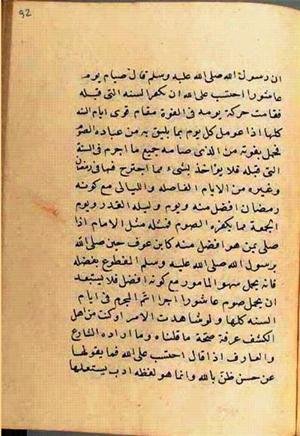
أن رسول الله صلى الله عليه وسلم قال في صيام يوم عاشوراء: «احتسب على الله أن يكفر السنة التي قبله».

فقامت حركة يومه في القوة مقام قوى أيام السنة كلها إذا عومل كل يوم بما يليق به من عبادة الصوم؛ فحمل بقوته عن الذي صامه جميع ما أجرم في السنة التي قبله، فلا يؤاخذ بشيء مما اجترح فيها في رمضان وغيره من الأيام الفاضلة والليالي، مع كون رمضان أفضل منه، وكذا يوم عرفة وليلة القدر ويوم الجمعة مما يكفره الصوم.

فمثله مثل الإمام إذا صلى بمن هو أفضل منه، كابن عوف حين صلى برسول الله صلى الله عليه وسلم المقطوع بفضله؛ فإنه يحمل سهو المأموم مع كونه أفضل، فلا يستبعد أن يحمل صوم يوم عاشوراء جرائم المجرم في أيام السنة كلها. ولو شاهدت الأمر أو كنت من أهل الكشف، عرفت صحة ما قلناه، وما أراده الشارع.

والعارف إذا قال: «احتسب على الله»، فما يقولها عن حسن ظن بالله، وإنما هي لفظة أدب يستعملها
Anglais

that the Messenger of God, may God bless him and grant him peace, said concerning fasting the day of ʿĀshūrāʾ, “I look to God to expiate the year before it.”

The movement of its day thus stands in power for the powers of all the days of the year when each day is met with the fasting worship proper to it. Through its power it bears from the person who fasts it everything he committed in the preceding year. He is not taken to account for anything he did in Ramadan or the other excellent days and nights, even though Ramadan is better than it, as are the day of ʿArafah, the Night of Decree, and Friday, which are among what the fast expiates.

It is like an imam praying with someone better than himself, as Ibn ʿAwf prayed as imam with the Messenger of God, may God bless him and grant him peace, whose excellence is certain. The imam bears the follower’s forgetfulness even when the follower is better. It is therefore no unlikely thing for fasting ʿĀshūrāʾ to bear the offender’s offenses throughout the days of the year. If you witnessed the matter or belonged to the people of unveiling, you would know the soundness of what we have said and what the Lawgiver intended.

When the knower says, “I look to God,” he does not say it from thinking well of God. It is an expression of proper conduct that he uses

Image du manuscritVolume du manuscrit 9 · Page 184

Les textes arabe et anglais sont reliés par le même identifiant de page de Konya. La répartition est approximative ; vérifiez le manuscrit.

Référence de la source du Caire

Ibn al-Arabi, The Meccan Revelations — Volume du manuscrit 9 · Page 184 — https://www.futmak.com/francais/konya/pages.php?id=2708&text=both