Les Futûhât al-Makkiyya

Volume du manuscrit 8 · Page 79

Manuscrit de Konya

Ouvrir la source arabeOuvrir la traduction anglaise

Arabe

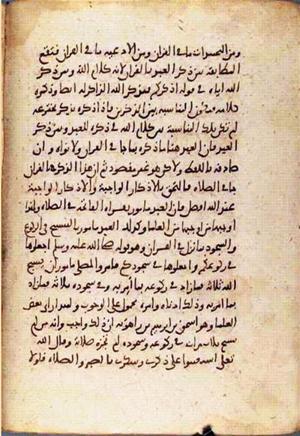
ومن التحميدات ما في القرآن، ومن الأدعية ما في القرآن.

فتقع المطابقة بين ذكر العبد بالقرآن لأنه كلام الله وبين ذكر الله إياه في قوله: ﴿أذكركم﴾ [البقرة: ١٥٢] فيذكر الله الذاكر له أيضا وذكره كلامه فتكون المناسبة بين الذكرين.

فإذا ذكره بذكر يخترعه لم تكن تلك المناسبة بين كلام الله في ذكره للعبد وبين ذكر العبد فإن العبد هنا ما ذكره بما جاء في القرآن ولا نواه، وإن صادفه باللفظ، ولكن هو غير مقصود.

ثم إن هٰذا الذكر بالقرآن جاء في الصلاة؛ فالتحق بالأذكار الواجبة والأذكار الواجبة عند الله أفضل فإن العبد مأمور بقراءة الفاتحة في الصلاة ولهٰذا أوجبها من أوجبها من العلماء وكذٰلك العبد مأمور بالتسبيح في الركوع والسجود بما نزل في القرآن وهو قوله صلى الله عليه وسلم: «اجعلوها في ركوعكم»، و«اجعلوها في سجودكم» فأمر والمصلي مأمور أن يسبح الله ثلاثة فما زاد في ركوعه بما أمر به وفي سجوده ثلاثة فما زاد بما أمر به وذٰلك أدناه وأمره محمول على الوجوب.

ولهٰذا رأى بعض العلماء وهو إسحاق بن إبراهيم بن راهويه، أن ذٰلك واجب وأنه من لم يسبح ثلاث مرات في ركوعه وسجوده لم تجزه صلاته.

(الاستعانة بالصلاة)

وقال الله تعالى: استعينوا على ذكري وشكري بالصبر والصلاة[14] [البقرة: ١٥٣] فلو لا

Notes

[14]

(هذه عبارة تفسيرية يجمع بها المؤلف معاني الآيات التي يناقشها، وليست آية مستقلة بلفظها.)
Anglais

the praises that are in the Quran, and the supplications that are in the Quran.

A correspondence then arises between the servant’s remembrance through the Quran, because it is God’s speech, and God’s remembrance of him in His words, “I will remember you” [al-Baqarah 2:152]. God also remembers the one who remembers Him, and His remembrance is His speech, so a correspondence arises between the two remembrances.

If the servant uses a remembrance he invents, that correspondence between God’s speech in remembering the servant and the servant’s remembrance is absent. The servant has neither remembered Him with the intention of what is in the Quran nor intended the Quran, even if his wording happens to coincide with it unintentionally.

Moreover, this remembrance through the Quran takes place in prayer and is joined to obligatory remembrances, which are more excellent with God. The servant is commanded to recite the Opening of the Book in prayer, which is why the scholars who hold it obligatory do so. Likewise, the servant is commanded to glorify during bowing and prostration with what was sent down in the Quran. This is his saying, may God bless him and grant him peace, “Put this in your bowing,” and “Put this in your prostration.” He commanded it. The worshipper is commanded to glorify God with the prescribed words three times or more in bowing and three times or more in prostration. That is the minimum, and his command is understood as imposing an obligation.

This is why one scholar, Isḥāq ibn Ibrāhīm ibn Rāhawayh, held it obligatory and held that prayer is insufficient if someone fails to glorify three times in bowing and prostration.

(Seeking Help Through Prayer)

God, exalted is He, said, “Seek help in remembering Me and thanking Me through patience and prayer.”[14] [al-Baqarah 2:153]. Had the Real not

Notes

[14]

(This is an explanatory statement in which the author brings together the meanings of the verses under discussion. It is not a separate verse in this wording.)

Image du manuscritVolume du manuscrit 8 · Page 79

Les textes arabe et anglais sont reliés par le même identifiant de page de Konya. La répartition est approximative ; vérifiez le manuscrit.

Référence de la source du Caire

Ibn al-Arabi, The Meccan Revelations — Volume du manuscrit 8 · Page 79 — https://www.futmak.com/francais/konya/pages.php?id=2291&text=both