Les Futûhât al-Makkiyya

Volume du manuscrit 8 · Page 73

Manuscrit de Konya

Ouvrir la source arabeOuvrir la traduction anglaise

Arabe

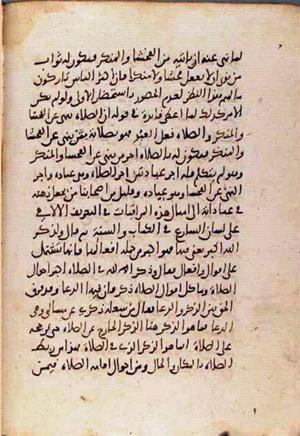
لما نهي عنه أن يأتيه من الفحشاء والمنكر فيكون له ثواب من نوى أن لا يفعل فحشاء ولا منكرا فإن أكثر الناس تاركون ما لهم هٰذا النظر لعدم الحضور باستحضار الأولى.

ولو لم يكن الأمر كذٰلك لما أعطى فائدة في قوله: ﴿إِنَّ الصَّلاةَ تَنْهى عَنِ الْفَحْشاءِ والْمُنْكَرِ﴾ والصلاة فعل العبد فهو بصلاته ممن ينهى عن الفحشاء والمنكر فيكون له بالصلاة أجر من ينهى عن الفحشاء والمنكر وهو لم يتكلم فله أجر عبادتين: أجر الصلاة وهي عبادة، وأجر النهي عن الفحشاء وهو عبادة.

وقليل من أصحابنا من يجعل ذهنه في عباداته إلى أمثال هذه المراقبات في التعريف الإلهي على لسان الشارع في الكتاب والسنة.

ثم قال: ﴿ولَذِكْرُ الله أَكْبَرُ﴾ [العنكبوت: ٤٥]، يعني فيها فهو أكبر من جملة أفعالها فإنها تشتمل على أقوال وأفعال فقال: وذكر الله في الصلاة أكبر أحوال الصلاة وما كل أقوال الصلاة ذكر فإن فيها الدعاء وقد فرق الحق بين الذكر والدعاء فقال: «من شغله ذكري عن مسألتي»، وهي الدعاء فما هو الذكر هنا الذكر الخارج عن الصلاة حتى نرجحه على الصلاة إنما هو الذكر الذي في الصلاة فهٰذا من ربط الصلاة بالمكان والحال.

(البدء بالنفس والصبر على الصلاة)

ومن أحوال إقامة الصلاة فيمن
Anglais

for committing the indecency and wrongdoing he has been forbidden. He therefore has the reward of one who intended to do no indecency or wrongdoing. Most people refrain without this understanding, because they lack the presence that calls the more fitting course to mind.

If it were otherwise, the words “Prayer restrains from indecency and wrongdoing” would yield no benefit. Prayer is the servant’s act, so through his prayer he is among those who restrain from indecency and wrongdoing. Through prayer he has the reward of one who restrains from them, though he has not spoken. He has the reward of two acts of worship, the prayer itself and restraining from indecency.

Few of our companions direct their minds in worship toward such forms of watchfulness in what God makes known through the Lawgiver in the Book and the Sunnah.

Then He said, “And remembrance of God is greater” [al-ʿAnkabut 29:45], meaning within prayer. It is greater than all its acts. Prayer contains words and acts, and He said that remembrance of God in prayer is the greatest of its states. Some words of prayer are supplication, and the Real distinguished remembrance from supplication, saying, “Whoever is occupied with remembering Me rather than asking Me,” the latter being supplication. The remembrance here is the remembrance within prayer. It is not remembrance outside prayer that we might rank above prayer. This belongs to the linking of prayer to place and state.

(Beginning with Oneself and Persevering in Prayer)

Among the states involved in establishing prayer, in the case of one who

Notes

Translator’s note TN2285-1: The passage derives an active role in restraining from wrongdoing from prayer itself. It thereby distinguishes the reward of the prayer from the reward for the restraint effected by performing it.

Image du manuscritVolume du manuscrit 8 · Page 73

Les textes arabe et anglais sont reliés par le même identifiant de page de Konya. La répartition est approximative ; vérifiez le manuscrit.

Référence de la source du Caire

Ibn al-Arabi, The Meccan Revelations — Volume du manuscrit 8 · Page 73 — https://www.futmak.com/francais/konya/pages.php?id=2285&text=both