Les Futûhât al-Makkiyya

Volume du manuscrit 8 · Page 71

Manuscrit de Konya

Ouvrir la source arabeOuvrir la traduction anglaise

Arabe

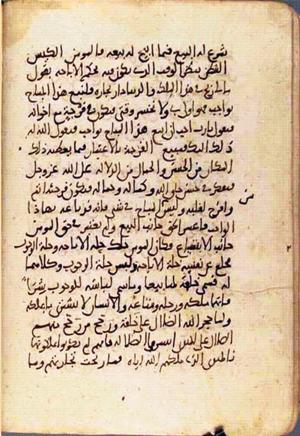
شرع له البيع فيما أبيح له بيعه.

(تحويل المباح إلى طاعة)

فالمؤمن الكيس الفطن ينظر الوقت الذي يكون فيه بحكم الإباحة، يقول: ما لي ربح في هٰذا الملك، والدنيا دار تجارة فلنبع هٰذا المباح بواجب، فهو أولى بي، ولا نخسر وقتي.

فيكون في فرجة مع إخوانه فيقول: يا رب، أحب أن أبيع هٰذا المباح بواجب فيقول الله له: ذٰلك إليك فيبيع الفرجة بالاعتبار فيما يعطيه ذٰلك المكان من الحسن والجمال من الدلالة على الله عز وجل فيفكر في حسن خلق الله وكماله وجماله فتكون فرجته أتم وأفرح لقلبه وليس من المباح في شيء فإنه قد باعه بهٰذا الواجب.

فاعتبر الحق جانب البيع ولم يعتبر في حق المؤمن جانب الابتياع فكان المؤمن ملك حلة الإباحة وحلة الوجوب فخلع عن نفسه حلة الإباحة ولبس حلة الوجوب وكلاهما له؛ فسمى خلعه لها بيعا وما سمي لباسه للوجوب شراء فإنها ملكه ورحله ومتاعه، والإنسان لا يشتري ما يملكه.

ولما حجر الله الضلال على خلقه ورجح من رجح منهم الضلال على الهدى اشتروا الضلالة فإنهم لم يكونوا يملكونها بالهدى الذي ملكهم الله إياه ﴿فَما رَبِحَتْ تِجارَتُهُمْ وما
Anglais

sale is prescribed for him in what he is permitted to sell.

(Turning the Permissible into Obedience)

The intelligent, discerning believer considers a time when he is under the ruling of permissibility and says, “I have no profit in this possession, and this world is an abode of trade. Let us sell this permissible thing for an obligation. That is more fitting for me. Let us not lose my time.”

He may be on an outing with his brothers and say, “My Lord, I would like to sell this permissible thing for an obligation.” God says to him, “That is up to you.” He sells the outing for reflection on the indications of God, mighty and majestic, afforded by the beauty and loveliness of that place. He reflects on the beauty, completeness, and loveliness of God’s creation. His outing is more complete and brings his heart more joy, while it no longer belongs to the merely permissible. He has sold it for this obligation.

The Real took sale into account in the believer’s case. He did not take buying into account. The believer owned a robe of permissibility and a robe of obligation. He took off the robe of permissibility and put on the robe of obligation, both of which were his. Taking off the former was called a sale, while putting on the latter was not called a purchase, for it was his property, baggage, and possession. A person does not buy what he owns.

God barred error to His creatures. Those who preferred error to guidance bought error, which they did not own, in exchange for the guidance God had given them to own. “Their trade brought them no profit, nor

Notes

Translator’s note TN2283-1: The “sale” is a change in the character of the act through attention and intention. An outing becomes reflection on God’s creation, which the author treats here as an obligation.

Image du manuscritVolume du manuscrit 8 · Page 71

Les textes arabe et anglais sont reliés par le même identifiant de page de Konya. La répartition est approximative ; vérifiez le manuscrit.

Référence de la source du Caire

Ibn al-Arabi, The Meccan Revelations — Volume du manuscrit 8 · Page 71 — https://www.futmak.com/francais/konya/pages.php?id=2283&text=both