Les Futûhât al-Makkiyya

Volume du manuscrit 8 · Page 57

Manuscrit de Konya

Ouvrir la source arabeOuvrir la traduction anglaise

Arabe

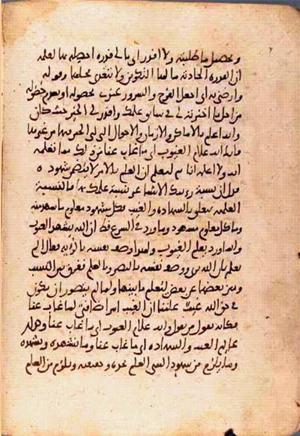
وتحصيل ما طلبته ولا أقدر، أي ما لي قدرة أحصله بها لعلمه أن القدرة الحادثة ما لها التكوين ولا تتعدى محلها.

وقوله: «وأرضني به»، أي اجعل الفرح والسرور عندي بحصوله أو بعدم حصوله من أجل ما اخترته لي في سابق علمك وأقدر لي الخير حيث كان وأنت أعلم بالأماكن والأزمان والأحوال التي لي الخير فيها من غيرها فـ﴿إِنَّكَ أَنْتَ عَلَّامُ الْغُيُوبِ﴾، أي ما غاب عنا من ذٰلك مما تعلمه أنت ولا أعلمه أنا.

(العلم والشهود والوجود)

ثم لتعلم إن العلم بالأمر لا يتضمن شهوده؛ فدل إن نسبة رؤيتك الأشياء غير نسبة علمك بها فالنسبة العلمية تتعلق بالشهادة والغيب فكل مشهود معلوم ما شهد منه، وما كل معلوم مشهود.

وما ورد في الشرع قط إن الله يشهد الغيوب، وإنما ورد يعلم الغيوب ولهٰذا وصف نفسه بالرؤية فقال: ﴿أَ لَمْ يَعْلَمْ بِأَنَّ الله يَرى﴾ [العلق: ١٤] ووصف نفسه بالبصر وبالعلم ففرق بين النسب وميز بعضها عن بعض ليعلم ما بينها.

ولما لم يتصور أن يكون في حق الله غيب علمنا إن الغيب أمر إضافي لما غاب عنا فكأنه يقول من يقول: «وأنت علام الغيوب»، أي ما غاب عنا وكذٰلك «عالم الغيب والشهادة» [الأنعام: ٧٣]، أي ما غاب عنا وما نشهده ويشهده.

وما يلزم من شهود الشيء العلم بحده وحقيقته ويلزم من العلم
Anglais

and obtain what I have sought, while I am not.” That is, I have no power with which to obtain it, since he knows that originated power does not bring things into being and does not extend beyond its own locus.

His saying “Make me content with it” means, “Give me joy and delight in its coming about or its failing to come about, because of what You have chosen for me in Your prior knowledge. Ordain good for me wherever it may be. You know better the places, times, and states in which there is good for me than those in which there is none. For You are the Knower of all unseen things,” meaning what is hidden from us of this, which You know and I do not.

(Knowledge, Witnessing, and Existence)

Know that knowledge of a thing does not entail witnessing it. This shows that your relation of seeing things differs from your relation of knowing them. Knowledge relates to both the witnessed and the unseen. Everything witnessed is known in respect of what is witnessed of it, while some things known remain unwitnessed.

The revealed Law has never said that God witnesses unseen things. It says that He knows unseen things. This is why He described Himself by seeing, saying, “Does he not know that God sees?” [al-ʿAlaq 96:14]. He described Himself by sight and knowledge, distinguishing the relations from one another so that what lies between them may be known.

Since there can be nothing unseen in relation to God, we know that the unseen is a relative matter, referring to what is hidden from us. Thus the one saying “You are the Knower of all unseen things” means what is hidden from us. Likewise, “Knower of the unseen and the witnessed” [al-Anʿam 6:73] means what is hidden from us and what we witness and He witnesses.

Witnessing a thing does not entail knowledge of its definition and reality. Knowledge

Image du manuscritVolume du manuscrit 8 · Page 57

Les textes arabe et anglais sont reliés par le même identifiant de page de Konya. La répartition est approximative ; vérifiez le manuscrit.

Référence de la source du Caire

Ibn al-Arabi, The Meccan Revelations — Volume du manuscrit 8 · Page 57 — https://www.futmak.com/francais/konya/pages.php?id=2269&text=both