Les Futûhât al-Makkiyya

Volume du manuscrit 8 · Page 56

Manuscrit de Konya

Ouvrir la source arabeOuvrir la traduction anglaise

Arabe

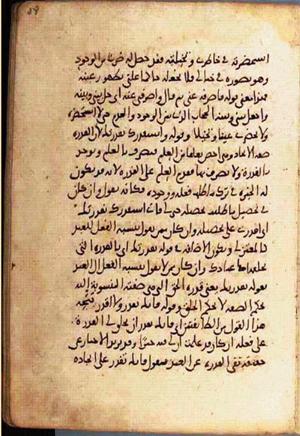
استحضرته في خاطري وتخيلته فقد حصل له ضرب من الوجود وهو تصوره في خيالي فلا تجعله حاكما علي بظهور عينه فهٰذا معنى قوله: «فاصرفه عني».

ثم قال: «واصرفني عنه»، أي حل بيني وبينه واجعل بيني وبينه الحجاب الذي بين الوجود والعدم حتى لا أستحضره ولا يحضرني عينا وتخيلا.

وقوله: «واستقدرك بقدرتك»؛ لأن القدرة صفة الإيجاد وهي أخص تعلقا من العلم فيصرف بالعلم ويوجد بالقدرة ولا يصرف بها فقدم العلم على القدرة؛ لأنه قد يكون له الخيرة في ترك ما طلب فعله ووجوده.

فكأنه يقول: وإن كان في تحصيل ما طلبت تحصيله خير لي فإني أستقدرك بقدرتك، أي أقدرني على تحصيله.

(القدرة ونسبة الفعل)

وإن كان ممن يقول بنسبة الفعل للعبد كالمعتزلي- فتكون الإضافة في قوله: «بقدرتك»، أي بالقدرة التي تخلقها في عبادك.

وإن كان ممن لا يقول بنسبة الفعل إلى العبد فقوله: «بقدرتك»، يعني قدرة الحق التي هي صفته المنسوبة إليه بحكم الصفة لا بحكم الخلق.

وقوله: «فإنك تقدر ولا أقدر»، يتجه هٰذا القول من الطائفتين، أي فإنك تقدر أن تخلق لي القدرة على فعله إن كان قد علمت إن لي فيه خيرا.

وقد يريد الإخبار عن حقيقة نفي القدرة عن العبد فيقول: فإنك تقدر على إيجاده
Anglais

brought it to mind and imagined it. It has thus acquired a kind of existence, namely its form in my imagination. Do not let it rule over me through the appearance of its entity.” This is the meaning of “Turn it away from me.”

He then says, “And turn me away from it,” meaning, “Come between me and it, and place between us the veil between existence and nonexistence, so that I neither bring it to mind nor have it present to me in entity or imagination.”

He says, “I seek Your enabling through Your power,” because power is the attribute of bringing into existence. Its scope of relation is narrower than knowledge’s. He turns things away through knowledge and brings them into existence through power, while He does not turn them away through power. He therefore put knowledge before power, since his good choice may lie in leaving what he had sought to do and bring into existence.

It is as though he says, “If there is good for me in obtaining what I have sought to obtain, I seek Your enabling through Your power,” meaning, “Enable me to obtain it.”

(Power and the Ascription of the Act)

If he is among those who ascribe the act to the servant, such as a Muʿtazilī, the ascription in “through Your power” means the power You create in Your servants.

If he is among those who do not ascribe the act to the servant, “through Your power” means the Real’s power, which is His attribute, ascribed to Him as an attribute, apart from the category of creation.

His saying “For You are able and I am not” can come from either group. It means, “You are able to create in me the power to do it if You know there is good for me in it.”

He may intend to state the reality of the denial of power to the servant, saying, “You are able to bring it into existence

Image du manuscritVolume du manuscrit 8 · Page 56

Les textes arabe et anglais sont reliés par le même identifiant de page de Konya. La répartition est approximative ; vérifiez le manuscrit.

Référence de la source du Caire

Ibn al-Arabi, The Meccan Revelations — Volume du manuscrit 8 · Page 56 — https://www.futmak.com/francais/konya/pages.php?id=2268&text=both