
Futmak · الفتوحات المكية · Meccan Revelations

Les Futûhât al-Makkiyya

Volume du manuscrit 7 · Page 99

Manuscrit de Konya

Ouvrir la source arabeOuvrir la traduction anglaise

Arabe

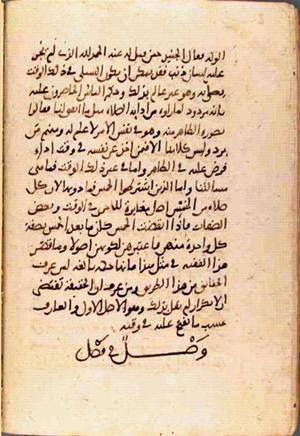
الوله، فقال الجنيد، حين قيل له عنه: «الحمد لله الذي لم يجر عليه لسان ذنب».

فقد يمكن أن يكون الشبلي في ذٰلك الوقت يصلي به وهو غير عالم بذٰلك، وحكم الناس الحاضرون عليه، بأنه مردود، لما رأوه من أدائه الصلاة، مثل ما اتفق لنا، فقالوا بصورة الظاهر منه، وهو في نفس الأمر لا علم له.

ومنهم من يرد، وليس كلامنا إلا فيمن أخذ عن نفسه في وقت أداء فرض عليه في الظاهر، وأما في غير ذٰلك الوقت، فما هي مسألتنا.

وأما الذين اشترطوا الخمس فما دونها، لأن كل صلاة من الخمس أصل مغايرة للأخرى في الوقت وبعض الصفات، فإذا انقضت الخمس، كان ما بعد الخمس بصفة كل واحدة منهن، فاعتبرهن لكونهن أصولا، وما قصر هٰذا الفقيه في مثل هٰذا، فإنها حكمة بالغة لمن عرف الحقائق من هٰذا الطريق.

ومن عرف أن الحقيقة تقتضي أن لا تكرار، لم يقل بذٰلك، وهو الأصل الأول، والعارف بحسب ما يفتح عليه في وقته.

وصل في فصل
Anglais

bewilderment. When al-Junayd was told about him, he said, “Praise belongs to God, who has given the tongue of sin no claim against him.”

It is possible that al-Shiblī prayed through God at those times without knowing it. The people present judged that he had been brought back because they saw him perform the prayer, as happened with us. They spoke from what was outwardly apparent of him, though in reality he had no awareness of it.

Some among them are brought back. We are speaking only of someone taken away from himself at the time of performing an obligation that applies to him outwardly. What happens outside that time does not concern the question at hand.

Those who stipulate five prayers or fewer do so because each of the five is a fundamental form, different from the others in its time and in some of its features. When the five are over, each prayer after them has the form of one of them. The jurist took these into account because they are fundamental forms. This jurist did not fall short in such a matter, for it is a profound wisdom for those who know the realities on this path.

Whoever knows that reality entails no repetition does not take this view. This is the first principle, and the knower acts according to what is opened to him in his moment.

Continuation in the Section on

Notes

Translator’s note TN1993-1: The five daily prayers are treated in one view as distinct recurring forms. The other view looks to the uniqueness of what is disclosed in each moment.

Image du manuscritVolume du manuscrit 7 · Page 99

Les textes arabe et anglais sont reliés par le même identifiant de page de Konya. La répartition est approximative ; vérifiez le manuscrit.

Référence de la source du Caire

Ibn al-Arabi, The Meccan Revelations — Volume du manuscrit 7 · Page 99 — https://www.futmak.com/francais/konya/pages.php?id=1993&text=both