
Futmak · الفتوحات المكية · Meccan Revelations

Les Futûhât al-Makkiyya

Volume du manuscrit 7 · Page 68

Manuscrit de Konya

Ouvrir la source arabeOuvrir la traduction anglaise

Arabe

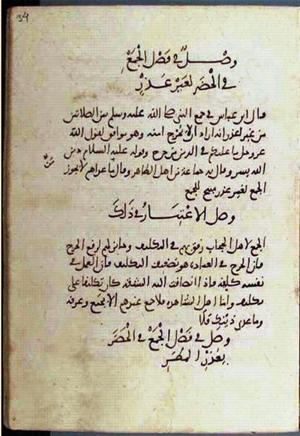
وصل في فصل الجمع في الحضر لغير عذر

قال ابن عباس في جمع النبي صلى الله عليه وسلم بين الصلاتين، من غير عذر، إنه أراد أن لا يحرج أمته، وهو موافق لقول الله عز وجل: ﴿ما جَعَلَ عَلَيْكُمْ في الدِّينِ من حَرَجٍ﴾ [الحج: ٧٨]، وقوله عليه السلام: «دين الله يسر»، وقال به جماعة من أهل الظاهر، وقال من عداهم لا يجوز الجمع لغير عذر مبيح للجمع.

وصل الاعتبار في ذٰلك

الجمع لأهل الحجاب رفق بهم في التكليف، وجائز لهم لرفع الحرج، فإن الحرج في العبادة هو تضعيف التكليف، فإن العمل في نفسه كلفة، فإذا انضافت إليه المشقة، كان تكليفا على تكليف.

وأما أهل المشاهدة، فلا جمع عندهم إلا بجمع وعرفة، وما عدا ذينك فلا.

وصل في فصل الجمع في الحضر بعذر المطر
Anglais

Continuation on the Section Concerning Combining While Resident without an Excuse

Ibn ʿAbbās said that when the Prophet, may God bless him and grant him peace, combined the two prayers without an excuse, he intended to spare his community hardship. This agrees with the words of God, mighty and majestic, “He has placed no hardship upon you in religion” [al-Hajj 22:78], and with his words, peace be upon him, “God’s religion is ease.” A group of those who adhere to the outward wording held this view. Others said combining is allowed only with an excuse that warrants it.

Continuation on the Inward Application of This

Combining is a kindness to those who are veiled in the burden of legal responsibility, and it is allowed for them to remove hardship. Hardship in worship is a doubling of the burden of responsibility. An act is burdensome in itself. When hardship is added to it, one burden is laid on top of another.

As for those who witness, they allow combining only at Jamʿ and ʿArafah.

Continuation on the Section Concerning Combining While Resident on Account of Rain

Image du manuscritVolume du manuscrit 7 · Page 68

Les textes arabe et anglais sont reliés par le même identifiant de page de Konya. La répartition est approximative ; vérifiez le manuscrit.

Référence de la source du Caire

Ibn al-Arabi, The Meccan Revelations — Volume du manuscrit 7 · Page 68 — https://www.futmak.com/francais/konya/pages.php?id=1962&text=both