
Futmak · الفتوحات المكية · Meccan Revelations

Les Futûhât al-Makkiyya

Volume du manuscrit 7 · Page 65

Manuscrit de Konya

Ouvrir la source arabeOuvrir la traduction anglaise

Arabe

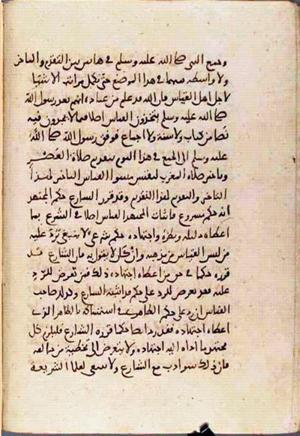
وجمع النبي صلى الله عليه وسلم في هاتين بين التقدم والتأخر، ولا واسطة بينهما في هٰذا الموضع، حتى تكمل مراتب الأشياء، لأجل أهل القياس، فإن الله قد علم من عباده أنهم بعد رسول الله صلى الله عليه وسلم يتخذون القياس أصلا، فيما لا يجدون فيه نصا من كتاب ولا سنة ولا إجماع فوفق رسول الله[32] صلى الله عليه وسلم إلى الجمع في هٰذا اليوم بتقديم صلاة العصر وتأخير صلاة المغرب، ليقيس مثبتو القياس التأخير لهٰذا التأخير والتقديم لهذا التقديم.

(إقرار حكم الاجتهاد وآداب الاختلاف)

وقد قرر الشارع حكم المجتهد أنه حكم مشروع، فإثبات المجتهد القياس أصلا في الشرع، بما أعطاه دليله ونظره واجتهاده، حكم شرعي لا ينبغي (أن) يرد عليه من ليس القياس من مذهبه، وإن كان لا يقول به، فإن الشارع قد قرره حكما في حق من أعطاه اجتهاده ذٰلك، فمن تعرض للرد عليه، فقد تعرض للرد على حكم قد أثبته الشارع.

وكذٰلك صاحب القياس إن رد على حكم الظاهري في استمساكه بالظاهر الذي أعطاه اجتهاده، فقد رد أيضا حكما قرره الشارع، فليلزم كل مجتهد ما أداه إليه اجتهاده، ولا يتعرض إلى تخطئة من خالفه[33]، فإن ذٰلك سوء أدب مع الشارع، ولا ينبغي لعلماء الشريعة

Notes

[32]

(قُرئ «فوفق رسول الله» بمقابلة الطبعة الأحدث.)

[33]

(هذا من تتمة تقرير المؤلف لحكم المجتهد بحسب ما أداه إليه اجتهاده؛ ويشمل في السياق صاحب القياس والمتمسك بالظاهر.)
Anglais

In those two cases the Prophet, may God bless him and grant him peace, combined by bringing forward and by postponing. There is no intermediate case here, so the degrees of things would be complete for those who use analogy. God knew that after the Messenger of God, may God bless him and grant him peace, some of His servants would take analogy as a source wherever they found no text from the Book, the Sunnah, or consensus. So He granted the Messenger of God[32], may God bless him and grant him peace, success in combining on this day by bringing forward the afternoon prayer and postponing the sunset prayer, so those who affirm analogy might reason from this postponement to another postponement, and from this bringing forward to another bringing forward.

(Recognition of the Jurist’s Ruling and the Etiquette of Disagreement)

The Lawgiver has confirmed that a jurist’s ruling reached by independent judgment has legal standing. Thus, when a jurist establishes analogy as a source in the revealed law on the basis of the evidence, reflection, and judgment available to him, that is a ruling of the revealed law. A person whose school does not use analogy ought not reject it, even if he does not adopt it. The Lawgiver has confirmed it as a ruling for the one whose independent judgment led him to it. Whoever seeks to refute him seeks to refute a ruling that the Lawgiver has established.

Likewise, if one who uses analogy rejects the ruling of the Ẓāhirī who adheres to the outward wording because his independent judgment led him there, he too has rejected a ruling that the Lawgiver confirmed. Let each jurist keep to what his independent judgment has led him to and refrain from declaring the one who disagrees with him mistaken.[33] This would be a breach of etiquette toward the Lawgiver, and it ill befits the scholars of the revealed law

Notes

[32]

(The reading “so He granted the Messenger of God success” was established by comparison with the newer edition.)

[33]

(This continues the author’s account of the jurist’s ruling according to where his independent judgment leads him. In context, it includes both the one who uses analogy and the one who adheres to the outward wording.)

Image du manuscritVolume du manuscrit 7 · Page 65

Les textes arabe et anglais sont reliés par le même identifiant de page de Konya. La répartition est approximative ; vérifiez le manuscrit.

Référence de la source du Caire

Ibn al-Arabi, The Meccan Revelations — Volume du manuscrit 7 · Page 65 — https://www.futmak.com/francais/konya/pages.php?id=1959&text=both