
Futmak · الفتوحات المكية · Meccan Revelations

Les Futûhât al-Makkiyya

Volume du manuscrit 7 · Page 62

Manuscrit de Konya

Ouvrir la source arabeOuvrir la traduction anglaise

Arabe

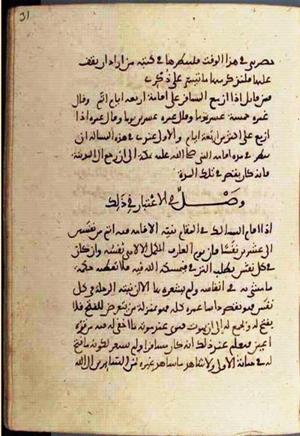
حضرتني في هٰذا الوقت، فلينظرها في كتبه، من أراد أن يقف عليها، فلنذكر منها ما تيسر على ذكري، فمن قائل إذا أزمع المسافر على إقامة أربعة أيام أتم، وقال غيره خمسة عشر يوما، وقال غيره عشرين يوما، وقال غيره إذا أزمع على أكثر من أربعة أيام.

والأولى عندي في هذه المسألة أن ينظر في مدة إقامة النبي صلى الله عليه وسلم بمكة إلى أن رجع إلى المدينة، فإنه كان يقصر في تلك المدة.

وصل في الاعتبار في ذٰلك

إذا أقام السالك في المقام بنية الإقامة فيه، أتم من نفسين إلى عشرين نفسا، فإن يوم العارف المكمل الإلهي نفسه.

وإن كان في كل نفس يطلب الترقي، فيمسكه الله فيه، فلا تعطيه حكمة ما مشى به في أنفاسه، ولم يشعره بها، إلا أن نيته الرحلة في كل نفس، فهو يقصر دائما عمره كله.

فهو بمنزلة من يتعرض للفتح، فلا يفتح له، ويجمع له إلى أن يموت، فيرى عند موته ما أخفي له فيه من قرة أعين، فيعلم عند ذٰلك أنه كان مسافرا، ولم يشعر، لكونه ما فتح له في حياته الأولى، ولا شاهد ما شاهد غيره من السائرين إلى الله.
Anglais

I do not have to hand at this moment. Whoever wishes to know them should look them up in his books. Let us mention what I readily remember. Some say that if a traveler resolves to stay four days, he performs his prayer in full. Others say fifteen days, others twenty days, and others when he resolves to stay more than four days.

In my view the best course in this question is to consider how long the Prophet, may God bless him and grant him peace, stayed in Mecca before returning to Medina, for he used to shorten his prayer during that time.

Continuation. The Inward Application of This

When the wayfarer stays at a station intending to remain there, he performs the prayer in full, from two to twenty breaths, for the day of the perfected divine knower is his breath.

If he seeks to rise in each breath but God holds him there, he is not granted the wisdom of what he has traversed in his breaths and God does not make him aware of it. Since he intends to depart in every breath, he continues to shorten throughout his life.

He is like one who puts himself in the way of an opening. No opening comes to him, but it is accumulated for him until he dies. At his death he sees what delight had been hidden for him in it. He then knows that he had been traveling without realizing it, since he was granted no opening in his first life and did not witness what other travelers to God witnessed.

Image du manuscritVolume du manuscrit 7 · Page 62

Les textes arabe et anglais sont reliés par le même identifiant de page de Konya. La répartition est approximative ; vérifiez le manuscrit.

Référence de la source du Caire

Ibn al-Arabi, The Meccan Revelations — Volume du manuscrit 7 · Page 62 — https://www.futmak.com/francais/konya/pages.php?id=1956&text=both