
Futmak · الفتوحات المكية · Meccan Revelations

Les Futûhât al-Makkiyya

Volume du manuscrit 7 · Page 49

Manuscrit de Konya

Ouvrir la source arabeOuvrir la traduction anglaise

Arabe

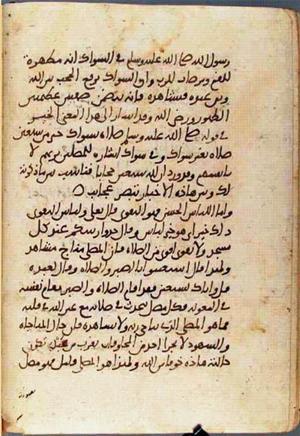
رسول الله صلى الله عليه وسلم في السواك: «إنه مطهرة للفم[24] ومرضاة للرب»، وإن السواك يرفع الحجب بين الله وبين عبده، فيشاهده، فإنه يتضمن صفتين عظيمتين، الطهور، ورضا الله، وقد أشار إلى هٰذا المعنى الخبر في قوله صلى الله عليه وسلم: «صلاة بسواك خير من سبعين صلاة بغير سواك».

وفي سواك إشارة، للمصلين بربهم، لا بأنفسهم، وقد ورد أن لله سبعين حجابا، فناسب بين ما ذكرته لك وبين هذه الأخبار، تبصر عجائب.

وأما اللباس الحسن، فهو التقوى قال تعالى: ﴿ولِباسُ التَّقْوى ذٰلك خَيْرٌ﴾ [الأعراف: ٢٦]، أي هو خير لباس وقال: ﴿خُذُوا زِينَتَكُمْ عِنْدَ كُلِّ مَسْجِدٍ﴾ [الأعراف: ٣١]، ولا تقوى أقوى من الصلاة، فإن المصلي مناج مشاهد، ولهٰذا قال: ﴿اسْتَعِينُوا بِالصَّبْرِ والصَّلاةِ﴾ [البقرة: ١٥٣] وقال لعبده قل: ﴿وإِيَّاكَ نَسْتَعِينُ﴾ [الفاتحة: ٥]، فقد أقام الصلاة والصبر مقام نفسه في المعونة.

فكل مصل يتحدث في صلاته مع غير الله في قلبه، فما هو المصلي الذي يناجي ربه، ولا يشاهده، فإن حال المناجاة والشهود لا يجرأ أحد من المخلوقات (أن) يقرب من عبد تكون حالته هذه، خوفا من الله.

ولهذا هو المصلي قليل، فهو مصل

Notes

[24]

(صُححت «مطهرة للفم» بمقابلة الطبعة الأحدث.)
Anglais

the Messenger of God, may God bless him and grant him peace, concerning the tooth-stick, “It purifies the mouth[24] and pleases the Lord.” The tooth-stick lifts the veils between God and His servant, so that the servant witnesses Him, for it entails two great qualities, purification and God’s good pleasure. The report points to this meaning in his saying, may God bless him and grant him peace, “One prayer with the use of a tooth-stick is better than seventy prayers without it.”

There is an allusion in siwāk for those who pray through their Lord without relying on themselves. It has been related that God has seventy veils. Set what I have mentioned alongside these reports and you will see wonders.

As for fine clothing, it is Godwariness. The Most High says, “The garment of Godwariness, that is better” [al-Aʿraf 7:26], meaning that it is the best garment. He says, “Take your adornment at every place of prostration” [al-Aʿraf 7:31]. There is no stronger Godwariness than prayer, for the one at prayer holds intimate discourse and witnesses. This is why He says, “Seek help through patience and prayer” [al-Baqarah 2:153], and tells His servant to say, “You alone we ask for help” [al-Fatihah 1:5]. He has thus placed prayer and patience in His own place in giving help.

Anyone at prayer who converses in his heart with someone other than God is outside the prayer of the one who holds intimate discourse with his Lord and witnesses Him. For when a servant is in a state of intimate discourse and witnessing, none of the created beings dares come near him, out of fear of God.

For this reason there are few who truly pray. A person may be praying

Notes

[24]

(The text was corrected to “It purifies the mouth” by comparison with the newer edition.)

Translator’s note TN1943-1: The unvocalized word can also be read as siwāka, “other than You.” The text calls attention to an allusion in the word siwāk, “tooth-stick,” when describing people who pray through their Lord.

Image du manuscritVolume du manuscrit 7 · Page 49

Les textes arabe et anglais sont reliés par le même identifiant de page de Konya. La répartition est approximative ; vérifiez le manuscrit.

Référence de la source du Caire

Ibn al-Arabi, The Meccan Revelations — Volume du manuscrit 7 · Page 49 — https://www.futmak.com/francais/konya/pages.php?id=1943&text=both