
Futmak · الفتوحات المكية · Meccan Revelations

Les Futûhât al-Makkiyya

Volume du manuscrit 7 · Page 47

Manuscrit de Konya

Ouvrir la source arabeOuvrir la traduction anglaise

Arabe

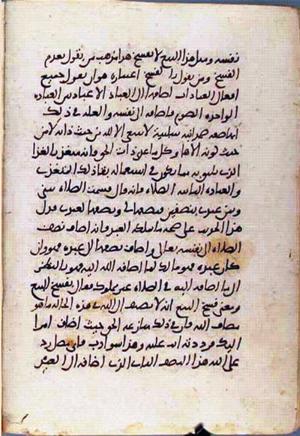
نفسه، ومثل هٰذا البيع لا يفسخ، هٰذا مذهب من يقول بعدم الفسخ.

(اعتبار فسخ البيع وحفظ الإضافة)

ومن يقول بالفسخ، اعتباره هو أن يقول جميع أفعال العبادات أضافها إلى العباد، إلا عبادتين، العبادة الواحدة الصوم، فأضافه إلى نفسه، والعلة في ذٰلك أنها صفة صمدانية سلبية، لا تنبغي إلا لله، من حيث ذاته، لا من حيث كونه إلها، وكل ما عدا ذات الحق فإنه متغذ بالغذاء الذي يليق به مما يكون في استعماله بقاء ذٰلك المتغذي.

والعبادة الثانية الصلاة، فإنه قال: «قسمت الصلاة بيني وبين عبدي بنصفين فنصفها لي ونصفها لعبدي».

فدل هٰذا الحديث على صحة ما يملكه العبد، فإنه أضاف نصف الصلاة إلى نفسه تعالى، وأضاف نصفها إلى عبده، فهو وإن كان عبده، فهو مالك لما أضافه الله إليه، فهو بالنظر إلى ما أضافه إليه في الصلاة، غير مملوك، فقال بفسخ البيع.

ومعنى فسخ البيع[23]، أنه لا يضيف إلى الله في هذه الحالة ما هو مضاف إليه، فإن في ذٰلك منازعة الحق، حيث أضاف أمرا إليك، فرددته أنت عليه، وهٰذا سوء أدب.

فأي مصل رد على الله هٰذا النصف الثاني الذي أضافه إلى العبد،

Notes

[23]

(يتحول معنى البيع في هذا الاعتبار إلى نسبة فعل العبد وملكه؛ فيجعل المؤلف حفظ النصف المضاف إلى العبد أدباً مع القسمة الواردة في الحديث.)
Anglais

one’s own self. A sale of this kind is not annulled. This is the view of those who say it stands.

(The Inward Application of Annulment and Preserving the Ascription)

Those who hold that the sale is annulled explain its inward application this way. God ascribed all acts of worship to the servants, with two exceptions. One is fasting, which He ascribed to Himself. The rationale is that fasting is a negative attribute of divine self-sufficiency, proper to God alone in respect of His Essence, independently of the relation implied by divinity. Everything apart from the Essence of the Real takes nourishment appropriate to it, by taking in what enables it to continue to exist.

The second act of worship is prayer, for He said, “I divided prayer between Me and My servant into two halves. Half of it is for Me, and half is for My servant.”

This hadith shows the validity of the servant’s ownership. God Most High ascribed half of the prayer to Himself and ascribed half to His servant. Though he is God’s servant, he owns what God ascribed to him. With respect to what God ascribed to him in prayer, he is himself unowned. This is the basis for saying that the sale is annulled.

The annulment of the sale[23] means that in this state the servant refrains from ascribing to God what was ascribed to the servant. To do so would be to contend with the Real. He ascribed a thing to you, and you gave it back to Him. This is a breach of proper conduct.

If any worshiper gives back to God the second half, which He ascribed to the servant

Notes

[23]

(In this inward application, selling comes to concern the ascription and ownership of the servant’s act. The author treats keeping the half ascribed to the servant as proper conduct in response to the division given in the hadith.)

Translator’s note TN1941-1: The adjective ṣamadāniyya points to the divine Name al-Ṣamad, the Self-Sufficient. The attribute is negative in the sense that it denies any need for nourishment. The author contrasts it with the creature’s continuing dependence on what sustains it.

Image du manuscritVolume du manuscrit 7 · Page 47

Les textes arabe et anglais sont reliés par le même identifiant de page de Konya. La répartition est approximative ; vérifiez le manuscrit.

Référence de la source du Caire

Ibn al-Arabi, The Meccan Revelations — Volume du manuscrit 7 · Page 47 — https://www.futmak.com/francais/konya/pages.php?id=1941&text=both