
Futmak · الفتوحات المكية · Meccan Revelations

Les Futûhât al-Makkiyya

Volume du manuscrit 7 · Page 12

Manuscrit de Konya

Ouvrir la source arabeOuvrir la traduction anglaise

Arabe

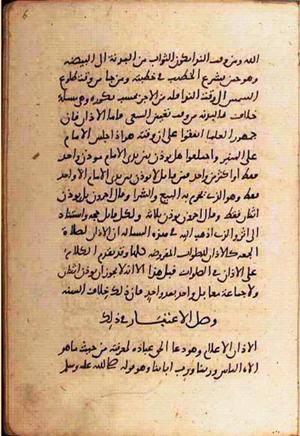
الله﴾ [الجمعة: ٩]، ومن وقت النداء يكون الثواب من البدنة إلى البيضة[7]، وهو حين يشرع الخطيب في خطبته، ومن جاء من وقت طلوع الشمس إلى وقت النداء فله من الأجر بحسب بكوره، وهي مسألة خلاف، فالبدنة من وقت تعيين السعي.

فأما الأذان فإن جمهور العلماء اتفقوا على إن وقته هو إذا جلس الإمام على المنبر، واختلفوا هل يؤذن بين يدي الإمام مؤذن واحد فقط أو أكثر من واحد؟ فمن قائل لا يؤذن بين يدي الإمام إلا واحد، فقط وهو (النداء) الذي يحرم به البيع والشراء؛ وقال آخرون بل يؤذن اثنان فقط؛ وقال آخرون يؤذن ثلاثة، ولكل قائل حجة واستناد إلى أثر.

والذي أذهب إليه في هذه المسألة أن الأذان لصلاة الجمعة كالأذان للصلوات المفروضة كلها، وقد تقدم الكلام على الأذان في الصلوات قبل هٰذا، إلا أنه لا يجوز أن يؤذن اثنان ولا جماعة معا، بل واحد بعد واحد؛ فإن ذٰلك خلاف السنة.

وصل الاعتبار في ذٰلك

الأذان الإعلام، وهو دعاء الحق عباده لمعرفته، من حيث ما هو إله الناس وربنا ورب آبائنا، وهو قوله صلى الله عليه وسلم: «

Notes

[7]

(يشير التعبير إلى تفاوت مراتب ثواب التبكير؛ ثم يميّز المؤلف في السياق بين وقت النداء وما يتقدمه من البكور.)
Anglais

of God” [al-Jumuʿah 62:9]. From the time of the call the reward ranges from a camel to an egg[7], the latter when the preacher begins his sermon. Whoever arrives between sunrise and the call receives a reward corresponding to how early he came. This is a matter of disagreement. The camel is from the time when hastening is specifically enjoined.

As for the call, most scholars agree that its time is when the imam sits on the pulpit. They disagree about whether one caller or more than one gives the call before the imam. Some say that only one gives the call before him and that this is the call by which selling and buying become forbidden. Others say exactly two give the call, and still others say three. Each has an argument and relies on a transmitted report.

My view in this matter is that the call to Friday prayer is like the call to all the prescribed prayers. We have already discussed the call to the prayers. Two or more people may not give it together, for that is contrary to the Sunna. They give it one after the other.

Continuation on Its Inward Application

The call to prayer is a notification. It is the Real calling His servants to know Him as the deity of humankind and our Lord and the Lord of our forebears. This is the meaning of the saying of the Prophet, may God bless him and grant him peace,

Notes

[7]

(The expression refers to the varying degrees of reward for early arrival. In the discussion the author then distinguishes the time of the call from early arrival before it.)

Translator’s note TN1906-1: The camel and the egg are endpoints on a scale of rewards associated with arriving earlier or later. The Arabic pronoun following “egg” is brief. The translation takes it to mark the end of that scale, at the start of the sermon.

Image du manuscritVolume du manuscrit 7 · Page 12

Les textes arabe et anglais sont reliés par le même identifiant de page de Konya. La répartition est approximative ; vérifiez le manuscrit.

Référence de la source du Caire

Ibn al-Arabi, The Meccan Revelations — Volume du manuscrit 7 · Page 12 — https://www.futmak.com/francais/konya/pages.php?id=1906&text=both