
Futmak · الفتوحات المكية · Meccan Revelations

Les Futûhât al-Makkiyya

Volume du manuscrit 5 · Page 289

Manuscrit de Konya

Ouvrir la source arabeOuvrir la traduction anglaise

Arabe

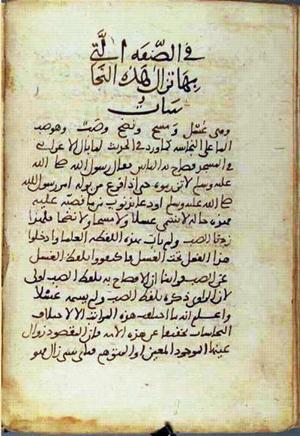
في الصفة التي بها تزال هذه النجاسات

(الغسل والمسح والنضح والصب)

وهي غسل ومسح ونضح وصب، وهو صب الماء على النجاسة، كما ورد في الحديث لما بال الأعرابي في المسجد فصاح به الناس، فقال رسول الله صلى الله عليه وسلم: «لا تزرموه»، حتى إذا فرغ من بوله أمر رسول الله صلى الله عليه وسلم، أو دعا بذنوب من ماء فصبه عليه.

فهذه حالة لا تسمى غسلا ولا مسحا ولا نضحا، فلهٰذا زدنا الصب، ولم يأت بهذه اللفظة العلماء، وأدخلوا هٰذا الفعل تحت الغسل فاكتفوا بلفظ الغسل عن الصب. فرأينا إن الإفصاح به بلفظ الصب أولى، لأن الراوي ذكره بلفظ الصب ولم يسمه غسلا.

(اختلاف الإزالة بحسب النجاسة)

واعلم أنه ما اختلفت هذه المراتب إلا لاختلاف النجاسات، تخفيفا عن هذه الأمة، فإن المقصود زوال عينها الموجود المعين أو المتوهم. فبأي شيء زال
Anglais

on the Manner in Which These Physical Impurities Are Removed

(Washing, Wiping, Sprinkling, and Pouring)

There is washing, wiping, sprinkling, and pouring, which is pouring water over the physical impurity. In the hadith, when the Bedouin urinated in the mosque, the people shouted at him. The Messenger of God, may God bless him and grant him peace, said, “Do not interrupt his urination.” When he had finished, the Messenger of God, may God bless him and grant him peace, ordered or called for a bucket of water and poured it over the urine.

This action is called neither washing, nor wiping, nor sprinkling. For this reason we have added pouring. The scholars have not used this word. They included the action under washing, so the word “washing” sufficed for them in place of “pouring.” We considered it preferable to call it “pouring” explicitly, because the transmitter referred to it as “pouring” and did not call it “washing.”

(Different Means of Removal for Different Impurities)

Know that these degrees differ only because the impurities differ, to make things easier for this community. The aim is to remove the particular substance, whether actually present or suspected. Whichever of these methods dispels

Image du manuscritVolume du manuscrit 5 · Page 289

Les textes arabe et anglais sont reliés par le même identifiant de page de Konya. La répartition est approximative ; vérifiez le manuscrit.

Référence de la source du Caire

Ibn al-Arabi, The Meccan Revelations — Volume du manuscrit 5 · Page 289 — https://www.futmak.com/francais/konya/pages.php?id=1565&text=both