
Futmak · الفتوحات المكية · Meccan Revelations

Les Futûhât al-Makkiyya

Volume du manuscrit 5 · Page 273

Manuscrit de Konya

Ouvrir la source arabeOuvrir la traduction anglaise

Arabe

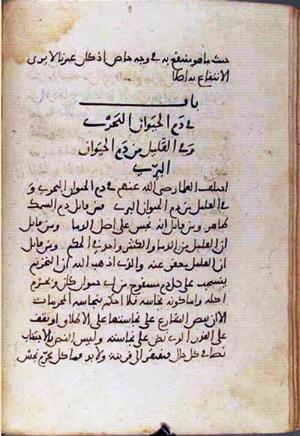
حيث ما هو منتفع به في وجه خاص، إذ كان غيرنا لا يرى الانتفاع به أصلا.

باب في دم الحيوان البحري وفي القليل من دم الحيوان البري

اختلف العلماء رضي الله عنهم في دم الحيوان البحري وفي القليل من دم الحيوان البري: فمن قائل دم السمك طاهر، ومن قائل إنه نجس على أصل الدماء، ومن قائل إن القليل من الدماء والكثير واحد في الحكم، ومن قائل إن القليل معفو عنه.

والذي أذهب إليه أن التحريم ينسحب على كل دم مسفوح من أي حيوان كان، ويحرم أكله. وأما كونه نجاسة فلا أحكم بنجاسة المحرمات إلا أن ينص الشارع على نجاستها على الإطلاق، أو نقف على القدر الذي نص على نجاسته.

وليس النص بالاجتناب نصا في كل حال، فيفتقر إلى قرينة ولا بد. فما كل محرم نجس،
Anglais

use in one particular sense, for others hold that it cannot be used at all.

Section on the Blood of Aquatic Animals and Small Amounts of the Blood of Land Animals

The scholars, may God be pleased with them, disagreed about the blood of aquatic animals and small amounts of the blood of land animals. Some hold that fish blood is pure, and others that it is physically impure in keeping with the general rule for blood. Some say that small and large amounts of blood have the same ruling, while others say that small amounts are excused.

My position is that the prohibition applies to all blood that is shed, from whatever animal, and that consuming it is forbidden. As for physical impurity, I rule that forbidden things are physically impure only if the Lawgiver expressly declares them impure without qualification, or to the extent expressly specified as impure.

An explicit instruction to avoid something does not in every case make its physical impurity explicit. A contextual indication is indispensable. Some forbidden things are free of physical impurity,

Image du manuscritVolume du manuscrit 5 · Page 273

Les textes arabe et anglais sont reliés par le même identifiant de page de Konya. La répartition est approximative ; vérifiez le manuscrit.

Référence de la source du Caire

Ibn al-Arabi, The Meccan Revelations — Volume du manuscrit 5 · Page 273 — https://www.futmak.com/francais/konya/pages.php?id=1549&text=both