
Futmak · الفتوحات المكية · Meccan Revelations

Les Futûhât al-Makkiyya

Volume du manuscrit 5 · Page 265

Manuscrit de Konya

Ouvrir la source arabeOuvrir la traduction anglaise

Arabe

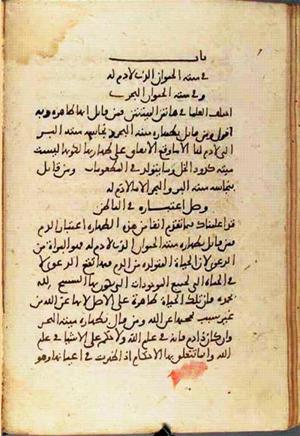
باب في ميتة الحيوان الذي لا دم له وفي ميتة الحيوان البحري

اختلف العلماء في هاتين الميتتين: فمن قائل إنها طاهرة، وبه أقول، ومن قائل بطهارة ميتة البحر ونجاسة ميتة البر التي لا دم لها إلا ما وقع الاتفاق على طهارتها لكونها ليست ميتة، كدود الخل وما يتولد في المطعومات. ومن قائل بنجاسة ميتة البر والبحر إلا ما لا دم له.

وصل اعتباره في الباطن

قد أعلمناك فيما تقدم آنفا من هذه الطهارة اعتبار الدم. فمن قائل بطهارة ميتة الحيوان الذي لا دم له،[40] فهو البراءة من الدعوى، لأن الحياة المتولدة من الدم فيها تقع الدعوى، لا في الحياة التي لجميع الموجودات التي يكون بها التسبيح لله بحمده. فإن تلك الحياة طاهرة على الأصل، لأنها عن الله من غير سبب يحجبها عن الله.

ومن قال بطهارة ميتة البحر وإن كان ذا دم، فإنه في علم الله، ولا حكم على الأشياء في علم الله. وإنما تتعلق بها الأحكام إذا ظهرت في أعيانها، وهو

Notes

[40]

(صُحّح الرسم إلى «لا دم له» بمقابلة الطبعة الأحدث، فاتسق مع عنوان الباب.)
Anglais

Chapter on the Carcass of an Animal Without Blood and on the Carcass of a Sea Animal

The scholars differed about these two kinds of carcass. Some held both to be pure, and I take this view. Some held a sea carcass to be pure and a land carcass without blood to be impure, except in cases agreed to be pure because they do not count as carrion, such as vinegar worms and what is generated in foods. Others held land and sea carcasses to be impure except in the case of animals without blood.

Continuation. Its Inward Application

Earlier, in the discussion of this purification, we explained the inward application concerning blood. The position that the carcass of an animal without blood[40] is pure corresponds to being free of the claim. A claim arises in the life generated from blood, while the life common to all existing things, through which they glorify God with His praise, is free of it. That life is originally pure, for it comes from God without any intermediary cause to veil it from God.

As for those who hold a sea carcass pure even if the animal has blood, it is in God’s knowledge, and there is no ruling over things in God’s knowledge. Rulings only attach to them when they appear as entities, and this is

Notes

[40]

(The text was corrected to lā dama lahu, “without blood,” through comparison with the newer edition, making it consistent with the chapter heading.)

Image du manuscritVolume du manuscrit 5 · Page 265

Les textes arabe et anglais sont reliés par le même identifiant de page de Konya. La répartition est approximative ; vérifiez le manuscrit.

Référence de la source du Caire

Ibn al-Arabi, The Meccan Revelations — Volume du manuscrit 5 · Page 265 — https://www.futmak.com/francais/konya/pages.php?id=1541&text=both