
Futmak · الفتوحات المكية · Meccan Revelations

Les Futûhât al-Makkiyya

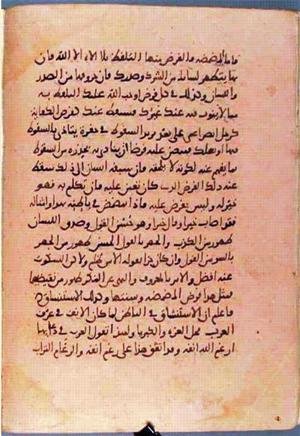
Volume du manuscrit 5 · Page 91

Manuscrit de Konya

Ouvrir la source arabeOuvrir la traduction anglaise

Arabe

فأما المضمضة، فالفرض منها التلفظ بلا إله إلا الله، فإن بها يتطهر لسانك من الشرك وصدرك، فإن حروفها من الصدر واللسان.

وكذٰلك في كل فرض أوجب الله عليك التلفظ به، مما لا ينوب فيه عنك غيرك فيسقط عنك، كفرض الكفاية: كرجل أبصر أعمى على بعد يريد السقوط في حفرة يتأذى بالسقوط فيها أو يهلك، فيتعين عليه فرضا أن ينادي به يحذره من السقوط بما يفهم عنه، لكونه لا يلحقه.

فإن سبقه إنسان إلى ذٰلك سقط عنه ذٰلك الفرض الذي كان تعين عليه، فإن تكلم به فهو خير له وليس بفرض عليه. فإذا تمضمض في باطنه بهٰذا وأمثاله فقد أصاب خيرا وقال خيرا، وهو حسن القول.

وصدق اللسان طهور من الكذب، والجهر بالقول الحسن طهور من الجهر ﴿بِالسُّوءِ من الْقَوْلِ﴾، وإن كان جزاء بقوله: ﴿إِلَّا من ظُلِمَ﴾ [النساء: ١٤٨]، ولكن السكوت عنه أفضل. والأمر بالمعروف والنهي عن المنكر طهور من نقيضيهما. فمثل هٰذا فرض المضمضة وسنتها، وكذٰلك الاستنشاق.

(اعتبار الاستنشاق في إزالة الكبرياء)

فاعلم إن الاستنشاق في الباطن، لما كان الأنف في عرف العرب محل العزة والكبرياء، ولهٰذا تقول العرب في دعائها: «أرغم الله أنفه»، و«قد اتفق هٰذا على رغم أنفه»، والرغام التراب،
Anglais

As for rinsing the mouth, its obligatory part is uttering “There is no god but God.” This purifies your tongue and breast of associating partners with God, for its letters come from the breast and the tongue.

So it is with every duty that God obliges you to discharge through speech, when no one else performs it on your behalf so as to discharge you. This is like a collective obligation. A man sees a blind person at a distance, about to fall into a pit and be hurt or perish in the fall. He is personally obliged to call out a warning in words the blind person can understand, since he cannot reach him.

If someone else gets there first with the warning, the duty that had devolved upon him falls away. If he speaks it all the same, that is good for him, though it is no longer obligatory. If he rinses his mouth inwardly with such words and their like, he has attained good and spoken good, which is good speech.

Truthfulness of the tongue purifies it of lying. Speaking good aloud purifies it of speaking “evil in words,” even where such speech is allowed in response to wrong under His words “except by one who has been wronged” [al-Nisaʾ 4:148]. Silence about it is better. Enjoining what is right and forbidding what is wrong purify a person from their respective opposites. Such are the obligatory and Sunnah aspects of rinsing the mouth, and likewise of drawing water into the nose.

(Drawing Water into the Nose Inwardly to Remove Pride)

Know that the inward application of drawing water into the nose is related to the Arab custom of regarding the nose as the seat of might and pride. Thus in a curse the Arabs say, “May God rub his nose in the dust,” and they say, “This happened in spite of his nose being rubbed in the dust.” Raghām means dust,

Notes

Translator’s note TN1367-1: A collective obligation (farḍ kifāyah) can devolve on an individual when no one else is carrying it out, as when a person is the only one who can warn someone in danger.

Image du manuscritVolume du manuscrit 5 · Page 91

Les textes arabe et anglais sont reliés par le même identifiant de page de Konya. La répartition est approximative ; vérifiez le manuscrit.

Référence de la source du Caire

Ibn al-Arabi, The Meccan Revelations — Volume du manuscrit 5 · Page 91 — https://www.futmak.com/francais/konya/pages.php?id=1367&text=both