
Futmak · الفتوحات المكية · Meccan Revelations

Les Futûhât al-Makkiyya

Volume du manuscrit 4 · Page 315

Manuscrit de Konya

Ouvrir la source arabeOuvrir la traduction anglaise

Arabe

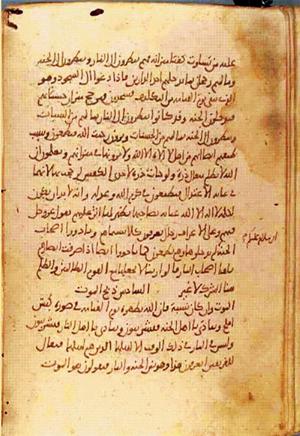
عليه مَن تساوت كفّتا ميزانه. فهم ينظرون إلى النار وينظرون إلى الجنّة، وما لهم رجحان بما يدخلهم أحد الدارين. فإذا دُعوا إلى السجود، وهو الذي يبقى يوم القيامة من التكليف، فيسجدون. فيرجّح ميزان حسناتهم، فيدخلون الجنّة. وقد كانوا ينظرون إلى النار بما لهم من السيّئات، وينظرون إلى الجنّة بما لهم من الحسنات، ويرون رحمةَ الله فيطمعون. وسبب طمعهم أيضا، أنّهم من أهل "لا إله إلّا الله" ولا يرونها في ميزانهم. ويعلمون أنّ الله ﴿لَا يَظْلِمُ مِثْقَالَ ذَرَّةٍ﴾ [النساء: ٤٠]. ولو جاءت ذرّةٌ لإحدى الكفّتين لرجحت بها؛ لأنّهما في غاية الاعتدال. فيطمعون في كرم الله وعدله. وأنّه لا بدّ أن يكون لكلمة "لا إله إلّا الله" عنايةٌ بصاحبها، يظهر لها أثرٌ عليهم.

يقول عز وجل فيهم: ﴿وَعَلَى الْأَعْرَافِ رِجَالٌ يَعْرِفُونَ كُلًّا بِسِيمَاهُمْ وَنَادَوْا أَصْحَابَ الْجَنَّةِ أَن سَلَامٌ عَلَيْكُمْ لَمْ يَدْخُلُوهَا وَهُمْ يَطْمَعُونَ﴾ [الأعراف: ٤٦] كما نادوا أيضا ﴿وَإِذَا صُرِفَتْ أَبْصَارُهُمْ تِلْقَاءَ أَصْحَابِ النَّارِ قَالُوا رَبَّنَا لَا تَجْعَلْنَا مَعَ الْقَوْمِ الظَّالِمِينَ﴾ [الأعراف: ٤٧] والظلم هنا (هو) إِلشرك لا غير.

السادس: ذَبح الموت:

الموت وإن كان نِسبة، فإنّ الله يظهره يوم القيامة في صورة كبش أملح، وينادى: يا أهل الجنّة؛ فيشرئبّون. وينادى: يا أهل النار؛ فيشرئبّون. وليس في النار في ذلك الوقت إلّا أهلها، الذين هم أهلُها. فيقال للفريقين: أتعرفون هذا؟ وهو بين الجنّة والنار. فيقولون: هو الموت.
Anglais

those whose two scale pans are equal. They look at the Fire and the Garden, and nothing inclines the balance enough for them to enter either abode. When they are called to prostrate, the one obligation that remains on the Day of Resurrection, they prostrate. This tips the scale of their good deeds, and they enter the Garden. They had been looking at the Fire on account of their evil deeds and at the Garden on account of their good deeds. They see God’s mercy and come to hope for it. They hope also because they are people of “There is no god but God” and do not see that declaration in their scales. They know that God “does not wrong even by an atom’s weight” [al-Nisa 4:40]. If an atom came into either pan, it would tip the balance, since the pans are in perfect equilibrium. So they hope in God’s generosity and justice. There must be some care for the person who utters “There is no god but God,” whose effect will become apparent in their case.

He, mighty and majestic, says of them, “On the Heights are men who know each by their marks. They call to the people of the Garden, ‘Peace be upon you.’ They have not entered it, though they hope to” [al-Aʿraf 7:46]. They also call out, “When their eyes are turned toward the people of the Fire, they say, ‘Our Lord, do not place us among the wrongdoing people’” [al-Aʿraf 7:47]. Wrongdoing here means only associating partners with God.

Sixth: The Slaughter of Death

Although death is a relation, God will make it appear on the Day of Resurrection in the form of a mottled ram. A call will be made, “People of the Garden!” and they will crane their necks. A call will be made, “People of the Fire!” and they will crane their necks. At that time, only the people for whom the Fire is their own abode remain in it. Both groups are asked, “Do you recognize this?” It is between the Garden and the Fire. They reply, “It is death.”

Image du manuscritVolume du manuscrit 4 · Page 315

Les textes arabe et anglais sont reliés par le même identifiant de page de Konya. La répartition est approximative ; vérifiez le manuscrit.

Référence de la source du Caire

Ibn al-Arabi, The Meccan Revelations — Volume du manuscrit 4 · Page 315 — https://www.futmak.com/francais/konya/pages.php?id=1273&text=both