
Futmak · الفتوحات المكية · Meccan Revelations

Les Futûhât al-Makkiyya

Volume du manuscrit 4 · Page 312

Manuscrit de Konya

Ouvrir la source arabeOuvrir la traduction anglaise

Arabe

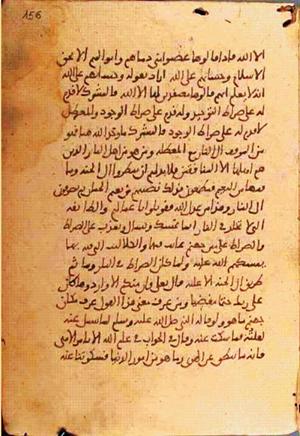
إلّا الله، فإذا قالوها عَصموا منّي دماءهم وأموالهم إلّا بحقّ الإسلام، وحسابهم على الله» أراد بقوله: «وحسابهم على الله» أنّه لا يعلم أنّهم قالوها معتقدين لها إلّا الله.

فالمشرِك لا قَدم له على صراط التوحيد، وله قَدم على صراط الوجود. والمعطِّل لا قدم له على صراط الوجود. فالمشرك ما وحَّد الله هنا. فهو من الموقف إلى النار مع المعطّلة. ومَن هو من أهل النار الذين هم أهلها إلّا المنافقين، فلا بدّ لهم أن ينظروا إلى الجنّة وما فيها من النعيم، فيطمعون. فذلك نصيبهم من نعيم الجنان. ثمّ يُصرفون إلى النار، وهذا من عدل الله فقوبلوا بأعمالهم.

والطائفة التي لا تخلد في النار، إنما تُمْسَك وتُسأل وتُعذَّب على الصراط، والصراط على متن جهنّم؛ غائب فيها. والكلاليب التي فيه بها يمسكهم الله عليه. ولَمّا كان الصراط في النار، وما ثمّ طريق إلى الجنّة إلّا عليه، قال -تعالى-: ﴿وَإِن مِّنكُمْ إِلَّا وَارِدُهَا كَانَ عَلَىٰ رَبِّكَ حَتْمًا مَّقْضِيًّا﴾ [مريم: ٧١] ومَن عرف معنى هذا القول، عرف مكان جهنّم ما هو، ولو قاله النبيّ صلى الله عليه وسلم لَمّا سئل عنه، لقلته. فما سكت عنه، وقال في الجواب: «في علم الله» إلّا بأمر إلهّي؛ فإنّه ﴿وَمَا يَنطِقُ عَنِ الْهَوَىٰ﴾ [النجم: ٣] وما هو من أمور الدنيا؛ فسكوتنا عنه
Anglais

but God.’ When they say it, they protect their blood and property from me except by a right established by Islam, and their reckoning is with God.” By “their reckoning is with God” he meant that only God knows whether they said it believing it.

The one who associates partners with God has no foothold on the path of affirming His oneness, although he has a foothold on the path of existence. The one who denies deity altogether has no foothold on the path of existence. The former did not affirm God’s oneness here. He goes from the place of standing to the Fire with those who deny deity altogether, as do those for whom the Fire is their own abode, with the exception of the hypocrites. The hypocrites must look upon the Garden and its bliss and come to hope for it. That is their share of the bliss of the Gardens. Then they are turned away to the Fire. This is part of God’s justice, for they are met with their own deeds.

The group that will not abide forever in the Fire is held back, questioned, and punished on the Path. The Path lies along the back of Jahannam, concealed within it. With the hooks on it God holds them there. Since the Path is in the Fire and there is no road to the Garden except across it, God Most High said, “There is none of you who will not come to it. This is a decree that your Lord has made binding” [Maryam 19:71]. Whoever understands these words knows where Jahannam is. Had the Prophet, may God bless him and grant him peace, said where it is when asked about it, I would have said so. He remained silent about it and answered, “It is in God’s knowledge,” only by a divine command. For “he does not speak from inclination” [al-Najm 53:3], and this is no worldly matter. Our silence about it

Notes

Translator’s note TN1270-1: The exception in this compressed sentence is read as distinguishing the hypocrites, who first see and hope for the Garden, from the other groups who go directly from the place of standing to the Fire. “The one who denies deity altogether” retains the local meaning of al-muʿaṭṭil explained at ID 1197.

Image du manuscritVolume du manuscrit 4 · Page 312

Les textes arabe et anglais sont reliés par le même identifiant de page de Konya. La répartition est approximative ; vérifiez le manuscrit.

Référence de la source du Caire

Ibn al-Arabi, The Meccan Revelations — Volume du manuscrit 4 · Page 312 — https://www.futmak.com/francais/konya/pages.php?id=1270&text=both