
Futmak · الفتوحات المكية · Meccan Revelations

Fütûhât-ı Mekkiyye

Yazma cildi 28 · Sayfa 200

Konya yazması

Arapça kaynağı açİngilizce çeviriyi aç

Arapça

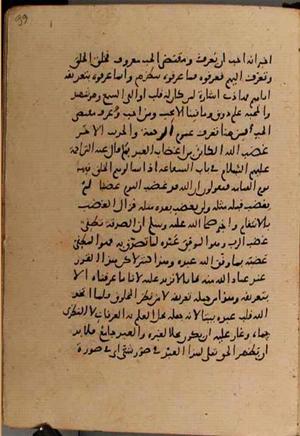
على قدر أفهام الناس، لا على ما هو الأمر عليه، فإنه محال.

فهٰؤلاء كذبوا الله ورسلَه فيما نسب الله إلى نفسه وإلى رسله، بحسن عبارة.

كما يقول الإنسان، إذا أراد أن يتأدب مع شخص آخر، إذا حدثه بحديث يرى السامع في نظره أنه ليس كما قال المخبر، فلا يقول له: كذبت، وإنما يقول له: يصدق سيدي، ولكن ما هو الأمر على هٰذا، وإنما الأمر الذي ذكره سيدي هو على صورة كذا وكذا.

فهو يكذبه، ويجهله، بحسن عبارة، هكذا فعل هٰؤلاء المتأولين.

(التأويل وتعيين المراد)

وقسم آخر لا يقول بأنه نزل في العبارة إلى أفهام الناس، وإنما يقول: ليس المراد بهٰذا الخطاب إلا كذا وكذا؛ ما المراد منه ما تفهمه العامة.

وهٰذا موجود في اللسان الذي جاء به هٰذا الرسول.

فهٰؤلاء أشبه حالا ممن تقدم، إلا أنهم متحكمون في ذٰلك على الله، بقولهم: هٰذا هو المفهوم من اللسان.

وكذٰلك الذي يعتقده عامة ذٰلك اللسان، هو أيضا المفهوم من ذٰلك، فما يمنع أن يكون المجموع؟

فأخطؤوا في الحكم على الله بما لم يحكم به على نفسه؛ فهٰؤلاء ما عبدوا إلا الإله الذي ربطت عليه عقولهم، وقيدته، وحصرته.

(الإيمان باللفظ وحكم النظر)

وقسم آخر قال: نؤمن بهٰذا اللفظ، كما جاء من غير أن نعقل له معنى، حتى نكون في هٰذا الايمان به في حكم من لم يسمع به.

ونبقى على ما أعطانا دليل العقل من إحالة مفهوم هٰذا الظاهر
İngilizce

to the measure of people’s understanding, not to the affair as it is, since that would be impossible.

These have politely called God and His messengers liars concerning what God attributed to Himself and His messengers.

It is like someone who wishes to behave politely toward another person. When that person relates something which the listener, in his own reflection, considers different from what the speaker has said, he does not say, ‘You lie.’ Rather, he says, ‘My master speaks truly, but the affair is not like this; what my master mentioned is in such-and-such a form.’

He calls him a liar and ignorant, but in polite language. This is what these interpreters have done.

(Interpretation and Specifying the Intended Meaning)

Another group does not say that He accommodated the expression to people’s understanding. It says instead: ‘This address means only such-and-such; it does not mean what the common people understand.’

This does exist in the language brought by that messenger.

These are closer to the mark than those who preceded them, yet they impose their judgment upon God by saying, ‘This is what the language conveys.’

What the generality of speakers of that language believe is likewise conveyed by it. What prevents the whole from being intended?

They have erred by judging God through what He did not judge concerning Himself. They have worshipped only the god to which their intellects bound themselves, which they delimited and confined.

(Faith in the Expression and the Judgment of Reflection)

Another group says: ‘We believe in this expression as it came, without understanding any meaning for it, so that in this belief we are under the same ruling as one who has never heard it.

We remain with what rational proof has given us: the impossibility of the apparent meaning

Yazma görüntüsüYazma cildi 28 · Sayfa 200

Arapça ve İngilizce aynı Konya sayfa kimliğiyle bağlanır. Sayfa eşleştirmesi yaklaşıktır; doğrulamak için yazma görüntüsüne bakın.

Kahire kaynak referansı

Ibn al-Arabi, The Meccan Revelations — Yazma cildi 28 · Sayfa 200 — https://www.futmak.com/turkce/konya/pages.php?id=8526&text=both