
Futmak · الفتوحات المكية · Meccan Revelations

Fütûhât-ı Mekkiyye

Yazma cildi 3 · Sayfa 207

Konya yazması

Arapça kaynağı açİngilizce çeviriyi aç

Arapça

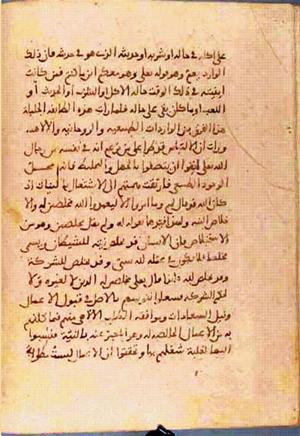
على أكله في حاله، أو شربه أو حديثه الذي هو في حديثه، فإن ذٰلك الوارد يعم، وهو قوله تعالى: ﴿وهُوَ مَعَكُمْ أَيْنَ ما كُنْتُمْ﴾ [الحديد: ٤]. فمن كانت أينيته في ذٰلك الوقت حالة الأكل أو الشرب أو الحديث أو اللعب أو ما كان، بقي على حاله.

(الإخلاص والاشتغال بالنيات)

فلما رأت هذه الطائفة الجليلة هٰذا الفرق بين الواردات الطبيعية والروحانية والإلهية، ورأت أن الالتباس قد طرأ[48] على من يزعم أنه في نفسه من رجال الله تعالى، أنفوا أن يتصفوا بالجهل والتخليط، فإنه محل الوجود الطبيعي. فارتقت همتهم إلى الاشتغال بالنيات إذ كان الله قد قال لهم: ﴿وما أُمِرُوا إِلَّا لِيَعْبُدُوا الله مُخْلِصِينَ لَهُ﴾ [البينة: ٥].

والإخلاص هو النية، ولهٰذا قيدها بقوله ﴿له﴾ ولم يقل مخلصين، وهو من الاستخلاص. فإن الإنسان قد يخلص نيته للشيطان ويسمى مخلصا، فلا يكون في عمله لله شيء، وقد يخلص للشركة وقد يخلص لله. فلهٰذا قال تعالى: ﴿مُخْلِصِينَ لَهُ الدِّينَ﴾ [البينة: ٥]، لا لغيره ولا لحكم الشركة.

فشغلوا نفوسهم بالأصل في قبول الأعمال ونيل السعادات وموافقة الطلب الإلهي منهم فيما كلفهم به من الأعمال الخالصة له، وهو المعبر عنه بالنية. فنسبوا إليها لغلبة شغلهم بها، وتحققوا إن الأعمال ليست مطلوبة

Notlar

[48]

(أُثبتت «طرأ» وفق الطبعة الأحدث.)
İngilizce

eating in his existing state; the same applies to his drinking or the conversation in which he is engaged. That incoming inspiration encompasses everything. This is His saying, exalted is He: “He is with you wherever you are” [al-Hadid 57:4]. If a person’s “where” at that moment is a state of eating, drinking, speaking, playing, or anything else, he remains in that state.

(Exclusive Devotion and Attending to Intentions)

When this noble company saw the distinction between natural, spiritual, and divine incoming inspirations, and saw that confusion had arisen[48] in someone who claimed within himself to be among the men of God Most High, they disdained being characterized by ignorance and confusion, for that is the locus of natural existence. Their spiritual aspiration therefore rose to attending to intentions, since God had said to them: “They were commanded only to worship God, devoting themselves exclusively to Him” [al-Bayyinah 98:5].

Exclusive devotion is intention. For this reason He qualified it by saying “to Him,” rather than simply saying “devoting themselves exclusively.” It comes from singling out. A human being may devote his intention exclusively to Satan and be called one who is exclusively devoted, so that nothing in his action is for God. He may devote it exclusively to association, or exclusively to God. For this reason He says, exalted is He: “Devoting the religion exclusively to Him” [al-Bayyinah 98:5]—not to another, nor to the rule of association.

They occupied themselves with the foundation for the acceptance of deeds, the attainment of felicities, and conformity with the divine demand upon them in the deeds He imposed upon them as exclusively His. This is what is expressed as intention. They were named after it because their concern with it predominated. They realized that deeds are not sought

Notlar

[48]

(“Had arisen” has been retained in accordance with the newer edition.)

Translator’s note TN849-1: Ikhlāṣ is rendered “exclusive devotion” to preserve the distinction being argued. The author considers the act of directing intention exclusively toward an object separately from the worth of that object; “to Him” specifies devotion to God rather than to Satan or an association of objects.

Yazma görüntüsüYazma cildi 3 · Sayfa 207

Arapça ve İngilizce aynı Konya sayfa kimliğiyle bağlanır. Sayfa eşleştirmesi yaklaşıktır; doğrulamak için yazma görüntüsüne bakın.

Kahire kaynak referansı

Ibn al-Arabi, The Meccan Revelations — Yazma cildi 3 · Sayfa 207 — https://www.futmak.com/turkce/konya/pages.php?id=849&text=both