
Futmak · الفتوحات المكية · Meccan Revelations

Fütûhât-ı Mekkiyye

Yazma cildi 28 · Sayfa 114

Konya yazması

Arapça kaynağı açİngilizce çeviriyi aç

Arapça

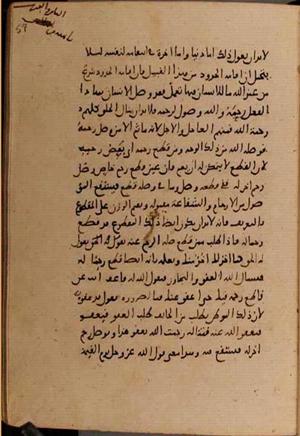
لا بد أن يقول ذٰلك، إما دنيا، وإما آخرة، في انتقامه لنفسه، لئلا يتخيل أن إقامة الحدود من هٰذا القبيل، فإن إقامة الحدود شرع من عند الله، ما للإنسان فيها تعمل.

فقد وصل الإنسان بهٰذا الفعل رحمه، والله وصول لِرَحِمِه، فلا بد أن ينال الخلق كلهم رحمة الله، فمنهم العاجل والآجل، لأنه ما ثم إلا من وصل رحمه، فوصله الله من ذٰلك الوجه.

(الوصل والقطع والعفو)

ومن قطع رحمه، أي بعض رحمه، لأن القطع لا يتمكن له أن يعم، فإن عين قطع رحم خاص وصل رحم آخر له، ففي قطعه وصل، وما في وصله قطع.

فيشفع الموصول من الأرحام، والشفاعة مقبولة، ويقيم الوزن على المقطوع بالتعريف، فإنه لا بد أن يكون أيضا ذٰلك المقطوع قد قطع رحما له.

فإذا طلب ممن قطع صلة الرحم عنه، يقول له الحق: «كما آخذ لك آخذ منك»، ويعلمه بأنه أيضا قد قطع رحما له، فيسأل الله العفو والتجاوز.

فيقول الله له: «فاعف أنت عن قاطع رحمه فيك حتى أعفو عنك[39]».

فبالضرورة يقول: «قد عفوت»، لأن ذٰلك الموطن يطلب من الخائف طلب العفو، فيعفو، فيعفو الله عنه، فتناله رحمة الله بعفو هٰذا، ويوصل رحم آخر له، فيشفع فيه.

وهٰذا معنى قول الله عز وجل يوم القيامة: «

Notlar

[39]

(هذا الحوار جزء من تصوير المؤلف لوجه العفو والشفاعة في هذا الموضع؛ يتميز من الحديث الذي نقله في افتتاح الباب ثم أعاده بعده.)
İngilizce

He must say this, either in this world or in the Hereafter, concerning his taking vengeance for himself. Let it not be imagined that enforcing prescribed penalties belongs to this category: enforcing prescribed penalties is a Law from God, in which the human being has no contrivance of his own.

Through this act the human being has joined his kinship. God joins His kinship, so all creatures must attain God's mercy, some sooner and some later, for there is no one who has not joined his kinship. God thus joins him from that aspect.

(Joining, Severing, and Pardoning)

Whoever severs his kinship—that is, some of his kinship, for he cannot make the severing universal—joins another kinship of his through the very act of severing a particular kinship. Within his severing there is joining, while within his joining there is no severing.

The kinship that has been joined intercedes, and its intercession is accepted. He establishes the balance concerning the one cut off by making the matter known, for that person who was cut off must also have severed a kinship of his.

When he asks for redress against the one who severed kinship from him, the Real says to him, “As I exact for you, I exact from you.” He informs him that he too has severed a kinship of his, so he asks God for pardon and forbearance.

God says to him, “Then pardon the one who severed his kinship with you, so that I may pardon you.”[39]

He necessarily says, “I have pardoned,” for that place requires the fearful one to seek pardon. He pardons, and God pardons him. God's mercy reaches him through this person's pardon, and he joins another kinship of his, which intercedes for him.

This is the meaning of God's saying, mighty and majestic is He, on the Day of Resurrection, “

Notlar

[39]

(This dialogue is part of the author's portrayal of the aspect of pardon and intercession in this passage. It is distinct from the report he quoted at the chapter's opening and then repeated afterward.)

Yazma görüntüsüYazma cildi 28 · Sayfa 114

Arapça ve İngilizce aynı Konya sayfa kimliğiyle bağlanır. Sayfa eşleştirmesi yaklaşıktır; doğrulamak için yazma görüntüsüne bakın.

Kahire kaynak referansı

Ibn al-Arabi, The Meccan Revelations — Yazma cildi 28 · Sayfa 114 — https://www.futmak.com/turkce/konya/pages.php?id=8440&text=both