
Futmak · الفتوحات المكية · Meccan Revelations

Fütûhât-ı Mekkiyye

Yazma cildi 1 · Sayfa 19

Konya yazması

Arapça kaynağı açİngilizce çeviriyi aç

Arapça

لَمَّا انْتَهَى لِلْكَعْبَةِ الحَسْنَاءِ جِسْمِي وَحَصَّلَ رُتْبَةَ الأُمَنَاءِ

وَسَعَى وَطَافَ وَثُمَّ عِنْدَ مَقَامِهَا صَلَّى وَأَثْبَتَهُ مِنَ العُتَقَاءِ

مَنْ قَالَ هٰذا الفِعْلُ فَرْضٌ وَاجِبٌ ذَاكَ المُؤَمَّلُ خَاتَمُ النُّبَّاءِ

وَرَأَى بِهَا المَلأَ الكَرِيمَ وَآدَماً قَلْبِي فَكَانَ لَهُمْ مِنَ القُرَنَاءِ

وَلآدَمٍ وَلَداً تَقِيّاً طَائِعاً ضَخْمَ الدَّسِيعَةِ[68] أَكْرَمَ الكُرَمَاءِ

وَالكُلُّ بِالبَيْتِ المُكَرَّمِ طَائِفٌ وَقَدِ اخْتَفَى في الحُلَّةِ السَّودَاءِ

يُرْخِي ذَلاذِلَ بُرْدِهِ لِيُرِيكَ في ذَاكَ التَّبَخْتُرِ نَخْوَةَ الخُيَلاءِ

وَأَبِي عَلَى المَلإ الكَرِيمِ مُقَدَّمٌ يَمْشِي بِأَضْعَفِ مِشْيَةِ الزُّمَنَاءِ[69]

وَالعَبْدُ بَيْنَ يَدَيْ أَبِيهِ مُطْرِقٌ فِعْلَ الأَدِيبِ، وَجِبْرَئِيلُ إِزَائِي

يُبْدِي المَعَالِمَ وَالمَنَاسِكَ خِدْمَةً لأَبِي لِيُورِثَهَا إِلى الأَبْنَاءِ

فَعَجِبْتُ مِنْهُمْ كَيْفَ قَالَ جَمِيعُهُمْ بِفَسَادِ وَالِدِنَا وَسَفْكِ دِمَاءِ[70]

إِذْ كَانَ يَحْجِبُهُمْ بِظُلْمَةِ طِينِهِ عَمَّا حَوَتْهُ مِنْ سَنَا الأَسْمَاءِ[71]

وَبَدَا بِنُورٍ لَيْسَ فِيهِ غَيْرُهُ لَكِنَّهُمْ فِيهِ مِنَ الشُّهَدَاءِ

إِنْ كَانَ وَالِدُنَا مَحَلاًّ جَامِعاً لِلأَوْلِيَاءِ مَعاً وَلِلأَعْدَاءِ

وَرَأَى المُوَيْهَةَ وَالنُّوَيْرَةَ[72] جَاءَتَا كَرْهاً بِغَيْرِ هَوىً وَغَيْرِ صَفَاءِ

فَبِنَفْسِ مَا قَامَتْ بِهِ أَضْدَادُهُ حَكَمَوا عَلَيْهِ بِغِلْظَةٍ وَبِذَاءِ[73]

وَأَتَى يَقُولُ أَنَا المُسبِّحُ وَالَّذَي مَا زَالَ يَحْمَدُكُمْ صَبَاحَ مَسَاءِ

Notlar

[68]

ضخم الدسيعة أي مجتمع الكتفين وتقال لواسع العطيّة (انظر في لسان العربي لابن منظور: دسع)، والمعنى الثاني هو الأقرب هنا بقرينة ما بعدها.

[69]

الزمناء: من زمن يزمن زمناً، وهو المرض الذي يدوم زماناً طويلاً؛ ولعلّه يستعيرها هنا بسبب ضعف مشيته.

[70]

وذٰلك إشارة إلى قوله تعالى: ﴿... قَالُواْ أَتَجْعَلُ فِيهَا مَن يُفْسِدُ فِيهَا وَيَسْفِكُ الدِّمَاء وَنَحْنُ نُسَبِّحُ بِحَمْدِكَ وَنُقَدِّسُ لَكَ قَالَ إِنِّي أَعْلَمُ مَا لاَ تَعْلَمُونَ﴾ [2-البقرة: 30].

[71]

وذٰلك من قوله تعالى: ﴿ وَعَلَّمَ آدَمَ الأَسْمَاء كُلَّهَا﴾ [2-البقرةك 31].

[72]

المويهة هي الأرض والنويرة هي السماء، وفي ذٰلك إشارة إلى قوله تعالى: ﴿ ثُمَّ اسْتَوَى إِلَى السَّمَاء وَهِيَ دُخَانٌ فَقَالَ لَهَا وَلِلْأَرْضِ اِئْتِيَا طَوْعًا أَوْ كَرْهًا قَالَتَا أَتَيْنَا طَائِعِينَ﴾ [41-فصِّلت: 11].

[73]

البذاء: يقول العلاّمة ابن منظور في لسان العرب: »بذأ: بَذَأْتُ الرَّجلَ بَذْءاً: إِذا رأَيْتُ منه حالاً كرِهْتُها. وبَذَأَتْهُ عَيْني تَبْذَؤُهُ بَذاءً وبذاءة: ازْدَرَتْهُ واحْتَقَرَتْهُ، ولم تَقْبَله، ولم تُعْجِبْكَ مَرْآتُه.«
İngilizce

When my body reached the beautiful Kaaba
And attained the rank of the trustworthy,

Performed the running and circumambulation, then prayed
At its Station, and was confirmed among the liberated

By him who declared this act an obligatory duty,
The one in whom hope is placed, the Seal of the Prophets;

When my heart saw there the noble Assembly and Adam,
It became one of their companions,

And a pious, obedient son to Adam,
Lavish in giving,[68] most generous among the generous.

All were circling the honoured House,
Which was hidden within its black robe,

Letting down the hems of its mantle to show you,
In that stately bearing, the proud dignity of its grandeur.

My father led the noble Assembly,
Walking with the frailest gait of the infirm.[69]

The servant stood before his father, head lowered
In proper courtesy, while Gabriel stood beside me,

Showing the landmarks and rites in service to my father,
So that he might bequeath them to his children.

I wondered how they had all spoken
Of our father’s corruption and shedding of blood,[70]

When the darkness of his clay veiled them
From the brilliance of the Names it contained.[71]

He appeared in a light in which there was none but he,
Yet within it they were among the witnesses.

If our father was a gathering-place
For friends and enemies alike,

And he saw the little water and little fire[72] come
Unwillingly, without inclination or clarity,

Then through the very thing in which his opposites subsisted,
They judged him with harshness and contempt.[73]

And one came saying: “I am the one who glorifies,
Who never ceases praising You morning and evening—

Notlar

[68]

Dakhm al-dasiah means broad across the shoulders, and is also said of someone lavish in giving. See Ibn Manzur’s Lisan al-Arab, under d-s-a. The latter meaning is closer here, as indicated by what follows.

[69]

Zamana derives from zamina, yazmanu, zamanan: an illness lasting a long time. Perhaps he uses the term metaphorically here because of the weakness of his gait.

[70]

An allusion to His saying: “… They said: ‘Will You place in it one who will spread corruption and shed blood, while we glorify You with praise and sanctify You?’ He said: ‘I know what you do not know’” [Qur’an 2:30].

[71]

From His saying: “He taught Adam all the Names” [Qur’an 2:31].

[72]

“The little water” is the earth, and “the little fire” is heaven. This alludes to His saying: “Then He turned to heaven when it was smoke, and said to it and to the earth: ‘Come, willingly or unwillingly.’ They said: ‘We come willingly’” [Qur’an 41:11].

[73]

Badha: Ibn Manzur says in Lisan al-Arab: “Badha: badhatu al-rajula, badhan, when I see in a man a state I dislike. ‘My eye badhaathu, tabdhauhu, badhaan and badhaatan’ means it despised and disdained him, did not accept him, and was displeased with his appearance.”

Translator’s note TN19-1: “The little water” and “the little fire” reproduce the poem’s diminutives. The editor identifies them as earth and heaven in note 72. The poem’s “unwillingly” is retained even though the Qur’anic passage quoted in that note ends with their willing response.

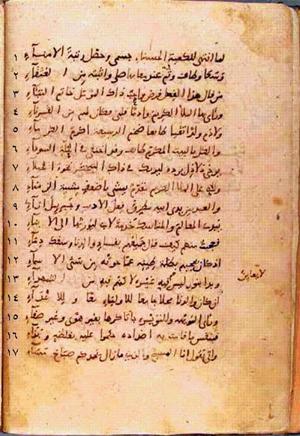
Yazma görüntüsüYazma cildi 1 · Sayfa 19

Arapça ve İngilizce aynı Konya sayfa kimliğiyle bağlanır. Sayfa eşleştirmesi yaklaşıktır; doğrulamak için yazma görüntüsüne bakın.

Kahire kaynak referansı

Ibn al-Arabi, The Meccan Revelations — Yazma cildi 1 · Sayfa 19 — https://www.futmak.com/turkce/konya/pages.php?id=19&text=both