
Futmak · الفتوحات المكية · Meccan Revelations

Fütûhât-ı Mekkiyye

Yazma cildi 4 · Sayfa 7

Konya yazması

Arapça kaynağı açİngilizce çeviriyi aç

Arapça

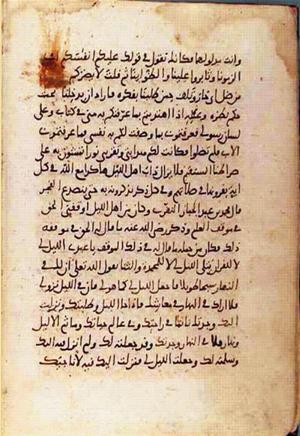
وأنت مدلولها.

فكأنك تقول في قولك: ﴿عَلَيْكُمْ أَنْفُسَكُمْ﴾ [المائدة: ١٠٥]، أي ألزمونا وثابروا علينا وألظوا بنا. ثم قلت: ﴿لا يَضُرُّكُمْ من ضَلَّ﴾ [المائدة: ١٠٥]، أي حار وتلف حين طلبنا بفكره، فأراد أن يدخلنا تحت حكم نظره وعقله. ﴿إِذَا اهْتَدَيْتُمْ﴾ بما عرفتكم به مني في كتابي وعلى لسان رسولي، فعرفتموني بما وصفت لكم به نفسي، فما عرفتموني إلا بي فلم تضلوا؛ فكانت لكم هدايتي وتقريبي نورا تمشون به على صراطنا المستقيم».

فلا يزال دأب أهل الليل هكذا مع الله في كل آية يقرءونها في صلاتهم، وفي كل ذكر يذكرونه به حتى ينصدع الفجر.

(مناجاة النفري وحضور القلب)

قال محمد بن عبد الجبار النفري،[1] وكان من أهل الليل: «أوقفني الحق في موقف العلم». وذكر رضي الله عنه ما قال له الحق في موقفه ذٰلك، فكان من جملة ما قال له في ذٰلك الموقف: «يا عبدي، الليل لي لا للقرآن يتلى، الليل لي لا للمحمدة والثناء. يقول الله تعالى: ﴿إِنَّ لَكَ في النَّهارِ سَبْحاً طَوِيلًا﴾ [المزمل: ٧]؛ فاجعل الليل لي كما هو لي، فإن في الليل نزولي.

فلا أراك في النهار في معاشك، فإذا جاء الليل وطلبتك ونزلت إليك وجدتك نائما في راحتك وفي عالم حياتك. وما ثم إلا ليل ونهار؛ فلا في النهار وجدتك، وقد جعلته لك ولم أنزل فيه إليك وسلمته لك، وجعلت الليل لي، فنزلت إليك فيه لأناجيك

Notlar

[1]

(ينتقل السياق إلى نقل موقف للنفري، وتستمر المناجاة في الفقرات التالية. وينصب الكلام على حضور القلب مع المتكلم أثناء التلاوة، كما يوضحه تمام النقل.)
İngilizce

and You are what they indicate.

It is as though You were saying by Your words ‘Attend to your own selves’ [al-Maʾidah 5:105], ‘Keep to Us, persevere with Us, and cling to Us.’ Then You said, ‘Whoever goes astray cannot harm you’ [al-Maʾidah 5:105], that is, whoever became bewildered and perished when he sought Us through his thinking and wanted to bring Us under the judgment of his speculation and intellect. ‘If you are rightly guided’ through what I have made known to you of Myself in My Book and on the tongue of My Messenger, so that you know Me by what I have described of Myself to you. Thus you know Me only through Me and do not go astray. My guidance and My bringing you near have thus become a light for you by which you walk upon Our straight path.”

This remains the practice of the People of the Night with God in every verse they recite in their prayer and in every remembrance with which they remember Him, until dawn breaks.

(Al-Niffari’s Intimate Conversation and the Presence of the Heart)

Muhammad ibn Abd al-Jabbar al-Niffari,[1] who was one of the People of the Night, said, “The Real made me stand at the Standing Place of Knowledge.” He, may God be pleased with him, related what the Real said to him there. Among the things He said to him at that standing place was this: “My servant, the night is for Me, not for the Quran to be recited. The night is for Me, not for commendation and praise. God Most High says, ‘You have long occupation during the day’ [al-Muzzammil 73:7]. Give the night to Me as it is Mine, for My descent takes place in the night.

I do not see you during the day in the course of your livelihood. When night comes and I seek you and descend to you, I find you asleep in your rest and in the world of your life. There is only night and day. I did not find you by day, which I gave over to you. I did not descend to you then but left it to you. I reserved the night for Myself and descended to you in it to converse intimately with you,

Notlar

[1]

(The passage turns to an account of one of al-Niffari’s standing places. The intimate conversation continues in the following paragraphs. As the full quotation makes clear, the emphasis is on the heart’s presence with the Speaker during recitation.)

Translator’s note TN965-1: “Standing Place” renders mawqif, and “made me stand” renders awqafanī from the same root. The ensuing conversation distinguishes dwelling on a verse’s images or meanings through one’s own reflection from attending to the One who speaks and discloses its meaning.

Yazma görüntüsüYazma cildi 4 · Sayfa 7

Arapça ve İngilizce aynı Konya sayfa kimliğiyle bağlanır. Sayfa eşleştirmesi yaklaşıktır; doğrulamak için yazma görüntüsüne bakın.

Kahire kaynak referansı

Ibn al-Arabi, The Meccan Revelations — Yazma cildi 4 · Sayfa 7 — https://www.futmak.com/turkce/konya/pages.php?id=965&text=both