Fütûhât-ı Mekkiyye

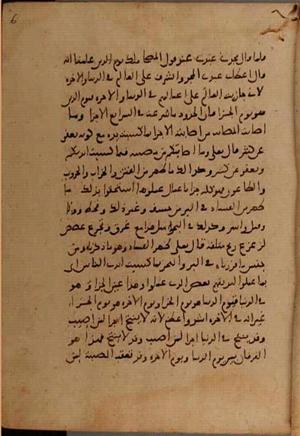
Yazma cildi 33 · Sayfa 12

Konya yazması

Arapça kaynağı açİngilizce çeviriyi aç

Arapça

فلما قال: «مجدني عبدي» عند قول المصلي: «ملك يوم الدين» علمنا أنه قال: أعطاني عبدي المجد والشرف على العالم في الدنيا والآخرة لأني جازيت العالم على أعمالهم في الدنيا والآخرة فيوم الدين هو يوم الجزاء؛ فإن الحدود ما شرعت في الشرائع إلّا جزاء،[4] وما أصابت المصائب من أصابته إلّا جزاء بما كسبت يده مع كونه يعفو عن كثير. قال تعالى: ﴿وما أَصابَكُمْ من مُصِيبَةٍ فَبِما كَسَبَتْ أَيْدِيكُمْ ويَعْفُوا عَنْ كَثِيرٍ﴾ [الشورى: ٣٠].

(الجزاء في الدنيا والآخرة)

وكذٰلك ما ظهر من الفتن والخراب والحروب والطاعون، فهو كله جزاء بأعمال عملوها استحقوا بذٰلك ما ظهر من الفساد في البر من خسف وغير ذٰلك، وقحط ووباء وقتل وأسر. وكذٰلك في البحر مثل هٰذا مع غرق وتجرع غصص لزعزع ريح متلفة. قال تعالى: ﴿ظَهَرَ الْفَسادُ﴾ وهو ما ذكرناه ومن جنس ما قررناه، ﴿في الْبَرِّ والْبَحْرِ بِما كَسَبَتْ أَيْدِي النَّاسِ﴾؛ أي بما عملوا: ﴿لِيُذِيقَهُمْ بَعْضَ الَّذِي عَمِلُوا﴾ [الروم: ٤١]. و هٰذا عين الجزاء.

وهو في الدنيا فيوم الدنيا هو يوم الجزاء، ويوم الآخرة هو يوم الجزاء، غير أنه في الآخرة أشد وأعظم؛ لأنه لا ينتج أجرا لمن أصيب وقد ينتج في الدنيا أجرا لمن أصيب، وقد لا ينتج؛ فهٰذا هو الفرقان بين يوم الدنيا ويوم الآخرة.

وقد تعقب المصيبة لمن

Notlar

[4]

صُحِّح الفصل من «الأجزاء» إلى «إلا جزاء» في الموضعين، كما في الطبعة الجديدة. (الطبعة الجديدة، ج 11، ص 394.)
İngilizce

When He said, “My servant has glorified Me,” at the worshipper’s saying, “King of the Day of Recompense,” we knew that He said, “My servant has given Me glory and honor above the world in this world and the Hereafter, because I recompensed the world for their acts in this world and the Hereafter.” The Day of Recompense is the day of requital: prescribed penalties were instituted in the Revealed Laws only as recompense[4], and calamities strike those they strike only as recompense for what their hands have earned, though He pardons much. He, Most High, said, “Whatever calamity strikes you is because of what your hands have earned, and He pardons much” [al-Shura 42:30].

(Recompense in This World and the Hereafter)

Likewise, the trials, devastation, wars, and plague that appear are all recompense for acts they performed, through which they deserved the corruption that appeared upon land: the earth’s swallowing people and other things, drought, epidemic, killing, and captivity. Likewise at sea, together with drowning and swallowing anguish from the blasts of a destructive wind. He, Most High, said, “Corruption has appeared”—namely what we have mentioned and things of the kind we have established—“upon land and sea because of what people’s hands have earned,” that is, what they have done, “so that He may make them taste some of what they have done” [al-Rum 30:41]. This is recompense itself.

It occurs in this world: the day of this world is therefore the day of recompense, and the day of the Hereafter is the day of recompense. In the Hereafter, however, it is more severe and greater, because it yields no reward for the one afflicted. In this world it may yield reward for the one afflicted, or it may not. This is the distinction between the day of this world and the day of the Hereafter.

Affliction may be followed, for someone

Notlar

[4]

The word division was corrected from al-ajzāʾ (الأجزاء), “the parts,” to illā jazāʾ (إلا جزاء), “only as recompense,” in both places, as in the new edition. (New edition, volume 11, page 394.)

Yazma görüntüsüYazma cildi 33 · Sayfa 12

Arapça ve İngilizce aynı Konya sayfa kimliğiyle bağlanır. Sayfa eşleştirmesi yaklaşıktır; doğrulamak için yazma görüntüsüne bakın.

Kahire kaynak referansı

Ibn al-Arabi, The Meccan Revelations — Yazma cildi 33 · Sayfa 12 — https://www.futmak.com/turkce/konya/pages.php?id=9590&text=both