
Futmak · الفتوحات المكية · Meccan Revelations

Fütûhât-ı Mekkiyye

Yazma cildi 32 · Sayfa 158

Konya yazması

Arapça kaynağı açİngilizce çeviriyi aç

Arapça

يدعى صاحبها عبد الحكم. قال تعالى: ﴿فَابْعَثُوا حَكَماً من أَهْلِهِ وحَكَماً من أَهْلِها﴾ [النساء: ٣٥]، وقال ص في عيسى ع «إنه ينزل فينا حكما مقسطا»، الحديث كما ورد.

فالحَكَم هو القاضي في الأمور، إما بحسب أوضاعها وإما بحسب أعيانها. فيحكم على الأشياء بحدودها، فهي الحَكَم على نفسها لأنه ما حكم عليها إلا بها، ولو حكم بغير ما هي عليه لكان حكم جور وكان قاسطا لا مقسطا. والحُكْم هو القضاء المحكوم به على المحكوم عليه بما هو المحكوم فيه.

وأعجب ما في هذه الحضرة نصب الحكمين في النازلة الواحدة، وهما من وجه كالكتاب والسنة، فقد يتفقان في الحكم وقد يختلفان. فإن علم التأريخ كان نسخا، وإن جهل التأريخ إمّا أن يسقطا معا[32] وإما أن يعمل بهما على التخيير، فأي شيء عمل من ذٰلك كان.

كالمسح في الوضوء للرجلين وكالغسل، فأي الأمرين وقع فقد أدى المكلف واجبا. على إن في المسألة الخلاف المشهور، ولكن عدلنا إلى مذهبنا فيه خاصة فذكرناه.

(الحكم بالمحكوم عليه)

ومرتبة الحكم أن يحكم للشيء وعلى الشيء، وهذه حضرة القضاء. من وقف على حقيقتها شهودا علم سر القدر، وهو أنه ما حكم على الأشياء إلا بالأشياء، فما جاءها شيء من خارج. وقد ورد: «أعمالكم ترد عليكم»، وفي الحدود الذاتية برهان ما نبهنا عليه في هذه الحضرة الحكمية.

Notlar

[32]

صُحِّح «ما أن» إلى «إما أن»، كما في الطبعة الجديدة، واستقام به تقسيم وجهي العمل بالحكمين. (الطبعة الجديدة، ج 11، ص 309.)
İngilizce

Its possessor is called the Servant of the Judge. He, Most High, said, “Send an arbiter from his family and an arbiter from hers” [al-Nisaʾ 4:35]. He—God’s blessings and peace be upon him—said concerning Jesus, peace be upon him, “He will descend among us as an equitable judge”: the hadith as it has been transmitted.

The judge adjudicates affairs, either according to their arrangements or according to their entities. He judges things through their definitions. They are therefore the judge of themselves, for he has judged them only through themselves. Had he judged otherwise than as they are, it would have been an unjust judgment, and he would have been unjust rather than equitable. Judgment is the decision pronounced upon the one judged in terms of what the matter judged is.

Among the most wondrous things in this Presence is appointing two arbiters in a single case. In one respect they are like the Book and the Sunna: they may agree in judgment or differ. If the chronology is known, there is abrogation. If the chronology is unknown, either both are set aside[32], or both are acted upon with freedom of choice: whichever is acted upon, so it is.

For example, one may wipe the feet in ablution or wash them. Whichever occurs, the person charged with the obligation has performed an obligatory act. There is, of course, the well-known disagreement over the question, but we have turned specifically to our own position and mentioned it.

(Judging through the One Judged)

The rank of judgment is to judge for a thing and against a thing. This is the Presence of Adjudication. Whoever comes to know its reality through witnessing knows the secret of destiny: things are judged only through things, and nothing has come to them from outside. It has been reported, “Your acts are returned to you.” Essential definitions contain a demonstration of what we have indicated concerning this Presence of judgment.

Notlar

[32]

Mā an (ما أن) was corrected to immā an (إما أن), “either,” as in the new edition. This restores the division between the two ways of acting upon the two judgments. (New edition, volume 11, page 309.)

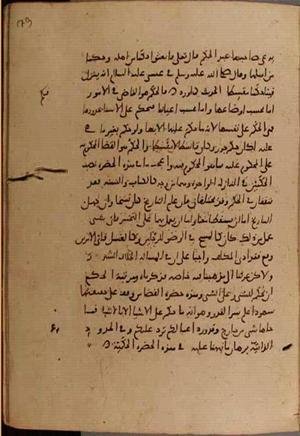
Yazma görüntüsüYazma cildi 32 · Sayfa 158

Arapça ve İngilizce aynı Konya sayfa kimliğiyle bağlanır. Sayfa eşleştirmesi yaklaşıktır; doğrulamak için yazma görüntüsüne bakın.

Kahire kaynak referansı

Ibn al-Arabi, The Meccan Revelations — Yazma cildi 32 · Sayfa 158 — https://www.futmak.com/turkce/konya/pages.php?id=9482&text=both