
Futmak · الفتوحات المكية · Meccan Revelations

Fütûhât-ı Mekkiyye

Yazma cildi 3 · Sayfa 298

Konya yazması

Arapça kaynağı açİngilizce çeviriyi aç

Arapça

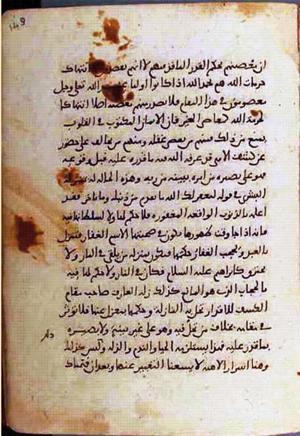
أن معصيتهم بحكم القدر النافذ فيهم لا أنهم يقصدون انتهاك حرمات الله.

هم بحمد الله إذا كانوا أولياء عند الله تعالى وجل معصومون في هٰذا المقام، فلا تصدر منهم معصية أصلا انتهاكا لحرمة الله كمعاصي الغير، فإن الايمان المكتوب في القلوب يمنع من ذٰلك.

فمنهم من يعصي غفلة، ومنهم من يخالف على حضور عن كشف إلهي قد عرفه الله فيه ما قدره عليه قبل وقوعه، فهو على بصيرة من أمره ببيّنة من ربه. وهذه الحالة له بمنزلة البشرى في قوله: ﴿لِيَغْفِرَ لَكَ الله ما تَقَدَّمَ من ذَنْبِكَ وما تَأَخَّرَ﴾ [الفتح: ٢]، فقد أعلمه بالذنوب الواقعة المغفورة، فلا حكم لها ولا لسلطانها فيه.

فإنه إذا جاء وقت ظهورها يكون في صحبتها الاسم الغفار، فتنزل بالعبد ويحجب الغفار حكمها. فيكون بمنزلة من يلقي في النار ولا يحترق كإبراهيم عليه السلام، فكان في النار ولا حكم لها فيه بالحجاب الذي هو المانع.

كذٰلك زلة العارف صاحب مقام الكشف للاقدار، تحل به النازلة وحكمها بمعزل عنها فلا تؤثر في مقامه، بخلاف من تحل فيه وهو على غير بينة ولا بصيرة بما قدر عليه. فهٰذا يستلزمه الحياء والندم والذلة، وذٰلك ليس كذٰلك. وهنا أسرار إلهية لا يسعنا التعبير عنها.

(العبودية والتكليف وترك الإدلال)

وبعد أن فهمناك
İngilizce

that their disobedience occurs under the rule of the destiny executed within them, not because they intend to violate God’s sanctities.

Praise be to God, when they are saints in the sight of God Most High and Majestic, they are protected in this station. No disobedience whatsoever proceeds from them as a violation of God’s sanctity, like the disobedience of others, for the faith inscribed in their hearts prevents this.

Some of them disobey through heedlessness. Others disobey while present, through a divine unveiling in which God has made known to them what He has decreed for them before it occurs. Such a person has insight into his affair, upon clear evidence from his Lord. For him this condition is like the glad tidings in His saying, “That God may forgive you your earlier and later sins” [al-Fath 48:2]. He has thus informed him of the sins that will occur and are forgiven, so neither their ruling nor their authority has power within him.

When the time comes for them to appear, the Name the All-Forgiving accompanies them. They descend upon the servant, but the All-Forgiving veils their ruling. He is like someone cast into fire who does not burn, such as Abraham, peace be upon him: he was in the fire, but it had no ruling over him because of the veil that prevented it.

Such is the lapse of the knower who possesses the station of unveiling destinies. The event befalls him, while its ruling is kept apart from it, so it does not affect his station. This differs from the one whom it befalls without clear evidence or insight into what has been decreed for him. The latter is necessarily accompanied by shame, remorse, and lowliness, while the former is not like this. Here there are divine secrets that we cannot express.

(Servanthood, Obligation, and Relinquishing Confident Familiarity)

After we have made you understand

Yazma görüntüsüYazma cildi 3 · Sayfa 298

Arapça ve İngilizce aynı Konya sayfa kimliğiyle bağlanır. Sayfa eşleştirmesi yaklaşıktır; doğrulamak için yazma görüntüsüne bakın.

Kahire kaynak referansı

Ibn al-Arabi, The Meccan Revelations — Yazma cildi 3 · Sayfa 298 — https://www.futmak.com/turkce/konya/pages.php?id=940&text=both