
Futmak · الفتوحات المكية · Meccan Revelations

Fütûhât-ı Mekkiyye

Yazma cildi 3 · Sayfa 289

Konya yazması

Arapça kaynağı açİngilizce çeviriyi aç

Arapça

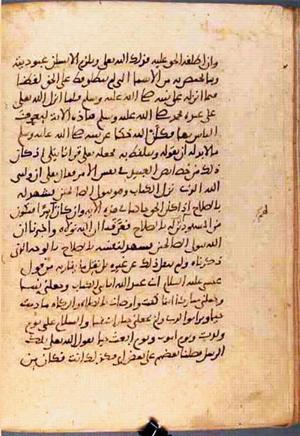
وإن أطلقه الحق عليه فذٰلك إليه تعالى، ويلزم الإنسان عبوديته وما يختص به من الأسماء التي لم تنطلق قط على الحق لفظا فيما أنزله على نبيه صلى الله عليه وسلم.

(التخلق بالأسماء مع شهود العبودية)

فلما أنزل الله تعالى على عبده محمد صلى الله عليه وسلم هذه الآية ليعرف الناس بها، فكان الله حكى عن نبيه صلى الله عليه وسلم ما لا بد له أن يقوله ويتلفظ به. فجعله تعالى قرآنا يتلى، إذ كان ذٰلك من خصائص العبيد في نفس الأمر، فقال تعالى: ﴿إِنَّ وَلِيِّيَ الله الَّذِي نَزَّلَ الْكِتابَ وهُوَ يَتَوَلَّى الصَّالِحِينَ﴾ [الأعراف: ١٩٦].

فشهد له بالصلاح إذا كان الحق حاكيا في هذه الآية، وإن كان آمرا فيكون من المشهودين لهم بالصلاح. فعرفنا إن الله تولاه وأخبرنا أن الله يتولى الصالحين، فشهد لنفسه بالصلاح بالوجه الذي ذكرناه.

ولم ينقل ذٰلك عن غيره، بل نقل ما يقاربه من قول عيسى عليه السلام: ﴿إِنِّي عَبْدُ الله آتانِيَ الْكِتابَ وجَعَلَنِي نَبِيًّا وجَعَلَنِي مُبارَكاً أَيْنَ ما كُنْتُ وأَوْصانِي بِالصَّلاةِ والزَّكاةِ ما دُمْتُ حَيًّا وبَرًّا بِوالِدَتِي ولَمْ يَجْعَلْنِي جَبَّاراً شَقِيًّا والسَّلامُ عَلَيَّ يَوْمَ وُلِدْتُ ويَوْمَ أَمُوتُ ويَوْمَ أُبْعَثُ حَيًّا﴾ [مريم: ٣٠ - ٣٣].

يقول الله تعالى: ﴿تِلْكَ الرُّسُلُ فَضَّلْنا بَعْضَهُمْ عَلى بَعْضٍ﴾ [البقرة: ٢٥٣]، أي فكذٰلك أنت، فكان من
İngilizce

and if the Real applies it to him, that belongs to Him, exalted is He. The human being should adhere to his servanthood and to the names particular to him that have never been applied verbally to the Real in what He sent down to His Prophet, may God bless him and grant him peace.

(Assuming the Character of the Names while Witnessing Servanthood)

God Most High sent down this verse to His servant Muhammad, may God bless him and grant him peace, to acquaint people with it. It is as though God related on behalf of His Prophet, may God bless him and grant him peace, what he must say and utter. He made it Quran to be recited, since in reality this belongs specifically to servants. He says, exalted is He: “My protecting friend is God, who sent down the Book, and He takes the righteous into His care” [al-Aʿraf 7:196].

He thus testified to his righteousness if the Real is relating his words in this verse. If He is commanding, he likewise belongs to those whose righteousness is attested. He made known to us that God had taken him into His care and informed us that God takes the righteous into His care. He therefore testified to his own righteousness in the manner we have mentioned.

This has not been transmitted from anyone else, although something close to it has been transmitted in Jesus’ saying, peace be upon him: “I am God’s servant. He has given me the Book and made me a prophet. He has made me blessed wherever I may be and enjoined upon me prayer and almsgiving as long as I live, and kindness toward my mother. He has not made me overbearing and wretched. Peace be upon me the day I was born, the day I die, and the day I am raised alive” [Maryam 19:30–33].

God Most High says: “Those messengers: We have favored some of them over others” [al-Baqarah 2:253]—that is, so it is with you. Among the manifestations of his excellence was

Yazma görüntüsüYazma cildi 3 · Sayfa 289

Arapça ve İngilizce aynı Konya sayfa kimliğiyle bağlanır. Sayfa eşleştirmesi yaklaşıktır; doğrulamak için yazma görüntüsüne bakın.

Kahire kaynak referansı

Ibn al-Arabi, The Meccan Revelations — Yazma cildi 3 · Sayfa 289 — https://www.futmak.com/turkce/konya/pages.php?id=931&text=both