
Futmak · الفتوحات المكية · Meccan Revelations

Fütûhât-ı Mekkiyye

Yazma cildi 30 · Sayfa 127

Konya yazması

Arapça kaynağı açİngilizce çeviriyi aç

Arapça

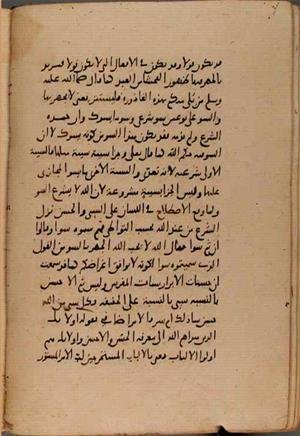
قد يكون قولا وقد يكون في الأفعال التي لا تكون قولا، فيريد بالجهر فيها ظهور الفحشاء من العبد، كما قال ص: «من بلي منكم بهذه القاذورات فليستتر»؛ يعني لا يجهر بها.

والسوء على نوعين: سوء شرعي، وسوء ما يسوؤك وإن حمده الشرع ولم يذمّه[35]؛ فقد يكون هٰذا السوء من كونه يسوءك لا إن السوء فيه حكم الله، كما قال تعالى: ﴿وجَزاءُ سَيِّئَةٍ سَيِّئَةٌ مِثْلُها﴾ [الشورى: ٤٠]؛ فالسيئة الأولى شرعية لأنه تعدى، والسيئة الأخرى ما يسوء المجازى عليها، وليس الجزاء بسيئة مشروعة؛ لأن الله لا يشرع السوء.

(التواطؤ في الأسماء والحسن النسبي)

ولما وقع الاصطلاح في اللسان على السيئ والحسن نزل الشرع من عند الله بحسب التواطؤ؛ فهم سموه سوءا وقالوا إن ثم سوءًا، فقال الله: ﴿لا يُحِبُّ الله الْجَهْرَ بِالسُّوءِ من الْقَوْلِ﴾ [النساء: ١٤٨] الذي سميتموه سوءًا لكونه لا يوافق أغراضكم.

كما قد سمعت أن «حسنات الأبرار سيئات المقربين». وليس ثم إلّا حسنٌ بالنسبة[36]، سيئ بالنسبة على الحقيقة، فكل شيء من الله حسن ساء ذٰلك الشيء أم سر؛ فالأمر إضافي.

(لب الأمر وحجاب الصورة)

فقوله: ﴿أُولئِكَ الَّذِينَ هَداهُمُ الله﴾ إلى معرفة الحسن والأحسن، ﴿وأُولئِكَ هُمْ أُولُوا الْأَلْبابِ﴾ [الزمر: ١٨]؛ يعني بالألباب المستخرجين لُبّ الأمر المستور

Notlar

[35]

(كان الرسم في النسخة السابقة «يدمه»، وصُحّح إلى «يذمه» بمقابلة الطبعة الجديدة (ج١٠، ص٤٤٠).)

[36]

(كان الرسم في النسخة السابقة «الأحسن»، وصُحّح إلى «إلا حسن» بمقابلة الطبعة الجديدة (ج١٠، ص٤٤٠).)
İngilizce

may be in speech, or may occur in acts that are not speech. In these, public expression means the servant’s indecency becoming manifest, as he said, God’s blessings and peace be upon him: ‘Whoever among you is afflicted with these filthy acts should conceal himself’—meaning that he should not make them public.

Evil is of two kinds: evil according to the Revealed Law, and the evil of what grieves you even if the Revealed Law praises it and does not condemn it[35]. Thus this may be evil because it grieves you, not because evil is God’s judgment upon it. As He said, exalted is He: ‘The recompense of an evil deed is an evil deed like it’ [al-Shura 42:40]. The first evil deed is evil according to the Revealed Law, because its doer transgressed; the other evil deed is what grieves the one recompensed for it. The recompense is not a legislated evil deed, for God does not legislate evil.

(Convention in Names and Relative Goodness)

When linguistic convention concerning evil and good had been established, the Revealed Law descended from God in accordance with that convention. They called it evil and said that evil exists, so God said, ‘God does not love the public expression of evil in speech’ [al-Nisa’ 4:148]—what you have named evil because it does not accord with your purposes.

You have heard, likewise, that ‘the good deeds of the righteous are the evil deeds of those brought near.’ In reality there is only what is good in one relation[36] and evil in another. Everything from God is good, whether that thing grieves or gladdens. The affair is relative.

(The Affair’s Kernel and the Veil of Form)

Thus His saying, ‘Those are the ones God has guided’—to knowledge of the good and the better—‘and those are the possessors of kernels’ [al-Zumar 39:18]: by possessors of kernels He means those who extract the kernel of the affair, concealed

Notlar

[35]

(The previous copy read «يدمه»; this was corrected to «يذمه», ‘condemns it,’ by comparison with the new edition, vol. 10, p. 440.)

[36]

(The previous copy read «الأحسن», ‘the better’; this was corrected to «إلا حسن», ‘only good,’ by comparison with the new edition, vol. 10, p. 440.)

Yazma görüntüsüYazma cildi 30 · Sayfa 127

Arapça ve İngilizce aynı Konya sayfa kimliğiyle bağlanır. Sayfa eşleştirmesi yaklaşıktır; doğrulamak için yazma görüntüsüne bakın.

Kahire kaynak referansı

Ibn al-Arabi, The Meccan Revelations — Yazma cildi 30 · Sayfa 127 — https://www.futmak.com/turkce/konya/pages.php?id=8935&text=both