
Futmak · الفتوحات المكية · Meccan Revelations

Fütûhât-ı Mekkiyye

Yazma cildi 29 · Sayfa 137

Konya yazması

Arapça kaynağı açİngilizce çeviriyi aç

Arapça

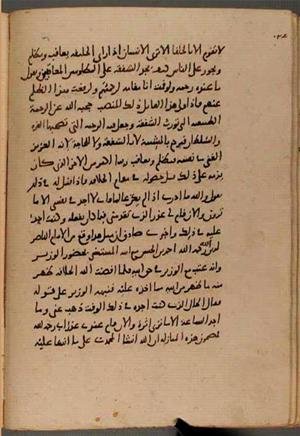
لا تقوم إلا بالخلفاء. أ لا ترى الإنسان إذا رأى الخليفة يعاقب ويظلم ويجور على الناس، كيف يجد الشفقة على المظلومين المعاقبين، ويقول: «ما عنده رحمة، ولو قمت أنا مقامه لرحمتهم ولرفعت هٰذا الظلم عنهم»؟

فإذا ولي هٰذا القائل ذٰلك المنصب، حجبه الله عن الرحمة الطبيعية التي تورث الشفقة، وجعل فيه الرحمة التي تصحبها العزة والسلطان، فيرحم بالمشيئة، لا بالشفقة ولا للحاجة، لأنه العزيز الغني في نفسه؛ فيظلم ويعاقب ربما أكثر من الآخر الذي كان يذمه على ذٰلك قبل حصوله في مقام الخلافة.

فإذا قيل له في ذٰلك يقول: «والله ما أدري»، إذا لم يكن عالما، «فإني لا أجد في نفسي إلا ما ترون، والآن قام لي عذر الذي تقدمني فيما كان يفعله، وكنت أجد عليه في ذٰلك».

(حكاية الناصر والوزير)

وأخبرني صادق أن مثل هٰذا وقع من الإمام الناصر لدين الله رحمه الله، أحمد بن الحسن، مع أبيه المستضيء، بحضور الوزير، وإنه عتب مع الوزير في حق أبيه. فلما أفضت إليه الخلافة، ظهر منه ما ظهر من أبيه مما أخذه عليه، فنبهه الوزير على قوله، فقال: «الحال الذي كنت أجده في ذٰلك الوقت ذهب عني، وما أجد الساعة إلا ما ترى أثره، والآن قام عندي عذر أبي رحمه الله».

(الرحمة المحمدية واتباع الهوى بعلم)

فمضمون هذه المنازلة أن الله أنشأ المحمدي على ما أنشأ عليه
İngilizce

subsists only in vicegerents. Do you not see how a person, when he sees the vicegerent punishing, oppressing, and acting unjustly toward people, feels pity for the oppressed and punished, and says, “He has no mercy. Were I to stand in his place, I would show them mercy and remove this injustice from them”?

When this speaker assumes that office, God veils him from the natural mercy that produces pity and places within him mercy accompanied by might and sovereignty. He shows mercy through will, not pity or need, for he is mighty and self-sufficient within himself. He then oppresses and punishes, perhaps more than the other whom he had blamed for this before attaining the station of vicegerency.

When this is mentioned to him, he says—if he is not a knower—“By God, I do not know. I find within myself only what you see. Now the one who preceded me has an excuse in my eyes for what he used to do, although I used to resent him for it.”

(An Account of al-Nasir and the Vizier)

A truthful person informed me that something like this occurred with the imam al-Nasir li-Din Allah, may God have mercy upon him, Ahmad ibn al-Hasan, concerning his father al-Mustadiʾ, in the vizier’s presence. He had complained to the vizier about his father. When the vicegerency passed to him, he displayed what his father had displayed and what he had reproached him for. The vizier reminded him of his words, and he said, “The state I felt at that time has left me. Now I find only what you see the effect of, and my father, may God have mercy upon him, now has an excuse in my eyes.”

(Muhammadan Mercy and Following Desire with Knowledge)

The content of this mutual encounter is that God formed the Muhammadan according to that upon which He formed

Yazma görüntüsüYazma cildi 29 · Sayfa 137

Arapça ve İngilizce aynı Konya sayfa kimliğiyle bağlanır. Sayfa eşleştirmesi yaklaşıktır; doğrulamak için yazma görüntüsüne bakın.

Kahire kaynak referansı

Ibn al-Arabi, The Meccan Revelations — Yazma cildi 29 · Sayfa 137 — https://www.futmak.com/turkce/konya/pages.php?id=8697&text=both