
Futmak · الفتوحات المكية · Meccan Revelations

Fütûhât-ı Mekkiyye

Yazma cildi 29 · Sayfa 135

Konya yazması

Arapça kaynağı açİngilizce çeviriyi aç

Arapça

على صورته». وما خلقه حتى استوى على العرش، وما استوى على العرش إلا الرحمن.

ولما عمت رحمة الله أبا يزيد البسطامي، ولم ير للكون فيها أثرا يزيل عنها حكم العموم، قال للحق: «لو علم الناس منك ما أعلم ما عبدوك». وقال له الحق تعالى: «يا أبا يزيد، لو علم الناس منك ما أعلم لرجموك».

فاعلم أن الذي يريد أن يستنيب في عباده من يقوم فيهم مقامه، لا بد أن يكسوه صفته ونعته، فيكون الخليفة هو الظاهر، والذي استخلفه هو الباطن. فيكون كسور الأعراف، ﴿باطنه فيه الرحمة﴾، لأنه الحق الذي غلبت رحمته غضبه، ﴿وظاهره من قبله العذاب﴾ [الحديد: ١٣]. فما العذاب في ظاهره، وإنما العذاب قبله، فيراه قبلا ممن استخلف عليهم.

وقد حد الحق حدودا له يعاملهم بها، ليكون إذا قام بها عند المؤمن بها وبه محمودا، لا يتطرق إليه ذم، كما لا يتطرق لمن استخلفه؛ فـ﴿من يُطِعِ الرَّسُولَ فَقَدْ أَطاعَ الله﴾ [النساء: ٨٠]. فلا يذمه إلا من لا يعرفه ولا يعرف الله.

(الرحمة الطبيعية والرحمة الموضوعة)

فالراحم منا من له رحمتان: رحمة طبيعية، وهي ذاتية له اقتضاها مزاجه[54]، ورحمة موضوعة فيه من الله بخلقه على الصورة. وهذه الرحمة تتضمن مائة رحمة التي لله، فإن لله مائة رحمة بعدد أسمائه، فإن له تعالى تسعة وتسعين اسما ظاهرة، وأخفى المائة للوترية، فإنه يحب الوتر لأنه وتر.

فلكل اسم رحمة،

Notlar

[54]

(يميز المؤلف هذه الرحمة من الرحمة الموضوعة التي يربطها بالخلافة والعزة والسلطان؛ وعلى هذا الاصطلاح يجري تفصيله التالي.)
İngilizce

upon His form.” He did not create him until He established Himself upon the Throne, and none established Himself upon the Throne but the All-Merciful.

When God’s mercy encompassed Abu Yazid al-Bistami, and he saw no effect of the cosmos within it that removed its ruling of universality, he said to the Real, “If people knew of You what I know, they would not worship You.” The Real Most High said to him, “Abu Yazid, if people knew of you what I know, they would stone you.”

Know that anyone wishing to appoint among his servants a deputy who will stand in his place among them must clothe him in his attribute and description. The vicegerent is then the outward, and the one appointing him the inward. He is like the wall of the Heights: “its inward contains mercy,” for it is the Real, whose mercy prevails over His wrath, “while before its outward is torment” [al-Hadid 57:13]. The torment is not within its outward, but before it. He sees it facing him from those over whom he has been appointed vicegerent.

The Real has set limits for him by which to deal with them, so that, when he observes them, he is praiseworthy to the one who believes in those limits and in him. No blame attaches to him, just as none attaches to the one who appointed him: “Whoever obeys the Messenger has obeyed God” [al-Nisa 4:80]. None blames him but one who knows neither him nor God.

(Natural Mercy and Implanted Mercy)

The merciful one among us possesses two mercies: natural mercy, intrinsic to him and required by his temperament[54], and a mercy placed within him by God through creating him upon the form. This mercy contains the hundred mercies that belong to God. God has a hundred mercies, according to the number of His Names: He Most High has ninety-nine manifest Names, and has concealed the hundredth for oddness, for He loves the odd because He is odd.

Every Name has a mercy,

Notlar

[54]

(The author distinguishes this mercy from implanted mercy, which he connects with vicegerency, might, and sovereignty. His following account proceeds according to this terminology.)

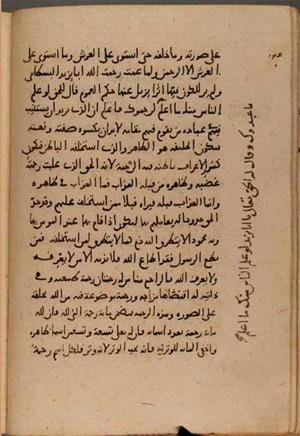
Yazma görüntüsüYazma cildi 29 · Sayfa 135

Arapça ve İngilizce aynı Konya sayfa kimliğiyle bağlanır. Sayfa eşleştirmesi yaklaşıktır; doğrulamak için yazma görüntüsüne bakın.

Kahire kaynak referansı

Ibn al-Arabi, The Meccan Revelations — Yazma cildi 29 · Sayfa 135 — https://www.futmak.com/turkce/konya/pages.php?id=8695&text=both