Fütûhât-ı Mekkiyye

Yazma cildi 29 · Sayfa 15

Konya yazması

Arapça kaynağı açİngilizce çeviriyi aç

Arapça

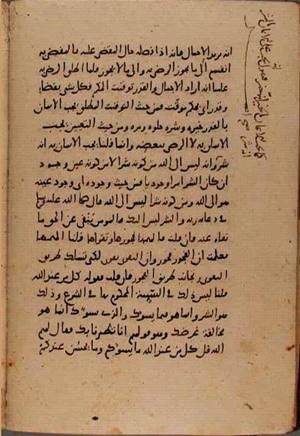
أنه يريد الإجمال. فإنه إذا فصله حال المقضي عليه بالمقضي به انقسم إلى ما يجوز الرضاء به وإلى ما لا يجوز.

فلما أطلق الرضاء به علمنا أنه أراد الإجمال.

(التوقيت والتعيين)

والقدر توقيت الحكم؛ فكل شيء بقضاء وقدر أي بحكم مؤقت. فمن حيث التوقيت المطلق يجب الايمان بالقدر خيره وشره، حلوه ومره. ومن حيث التعيين يجب الايمان به، لا الرضاء ببعضه.

وإنما قلنا: يجب الايمان به أنه شر، كما يجب الايمان بالخير أنه خير. فنقول إنه يجب على الايمان بالشر إنه شر، وإنه ليس إلى الله من كونه شرا، لا من كونه عين وجود إن كان الشر أمرا وجوديا.

فمن حيث وجوده، أي وجود عينه هو إلى الله، ومن كونه شرا ليس إلى الله.

قال ص في دعائه ربه: «والشر ليس إليك». فالمؤمن ينفي عن الحق ما نفاه عنه.

(الإلهام ونسبة الخير والشر)

فإن قلت: ﴿فَأَلْهَمَها فُجُورَها وتَقْواها﴾ [الشمس: ٨].

قلنا: ألهمها فعلمت أن الفجور فجور وأن التقوى تقوى لكي تسلك طريق التقوى وتجانب طريق الفجور.

فإن قلت: فقوله: ﴿كُلٌّ من عِنْدِ الله﴾ [النساء: ٧٨].

قلنا: ليس ذٰلك في السيئة المحكوم بها في الشرع وذٰلك هو الشر؛ وإنما هو فيما يسوءك والذي يسوءك إنما هو مخالفة غرضك. وهو قولهم: ﴿إِنَّا تَطَيَّرْنا بِكُمْ﴾ [يس: ١٨] فقال لهم الله: ﴿قُلْ كُلٌّ من عِنْدِ الله﴾ [النساء: ٧٨] ما يسوءكم وما يحسن عندكم.
İngilizce

that He intends summation. When the state of the one decreed concerning differentiates it through what is decreed, it divides into what one may be content with and what one may not.

Since He left contentment with it unqualified, we know that He intended summation.

(Timing and Determination of Particulars)

Determination is the timing of the ruling. Everything is therefore through decree and determination—that is, through a timed ruling. In respect of timing without qualification, faith in determination is obligatory: its good and its evil, its sweetness and its bitterness. In respect of determining particulars, faith in it is obligatory, but not contentment with some of it.

We said only that faith in it as evil is obligatory, just as faith in good as good is obligatory. We therefore say: it is obligatory to believe in evil as evil, and that it does not belong to God insofar as it is evil, rather than insofar as it is an entity of existence, if evil is something existent.

In respect of its existence—that is, the existence of its entity—it belongs to God; insofar as it is evil, it does not belong to God.

He, God's blessings and peace be upon him, said in his supplication to his Lord, ‘Evil does not belong to You.’ The believer therefore denies of the Real what He denied of Himself.

(Inspiration and the Attribution of Good and Evil)

If you say: ﴿He inspired it with its wickedness and its reverence﴾ [al-Shams 91:8],

We say: He inspired it, and it knew that wickedness is wickedness and reverence is reverence, so that it might follow the path of reverence and avoid the path of wickedness.

If you say: what of His saying, ﴿All is from God﴾ [al-Nisāʾ 4:78]?

We say: that does not concern the evil deed adjudged by the Revealed Law, which is evil. It concerns only what troubles you, and what troubles you is only what opposes your aim. This is their saying, ﴿We take you as an evil omen﴾ [Yā Sīn 36:18]. God then said to them: ﴿Say: “All is from God”﴾ [al-Nisāʾ 4:78]—what troubles you and what you find good.

Yazma görüntüsüYazma cildi 29 · Sayfa 15

Arapça ve İngilizce aynı Konya sayfa kimliğiyle bağlanır. Sayfa eşleştirmesi yaklaşıktır; doğrulamak için yazma görüntüsüne bakın.

Kahire kaynak referansı

Ibn al-Arabi, The Meccan Revelations — Yazma cildi 29 · Sayfa 15 — https://www.futmak.com/turkce/konya/pages.php?id=8575&text=both