
Futmak · الفتوحات المكية · Meccan Revelations

Fütûhât-ı Mekkiyye

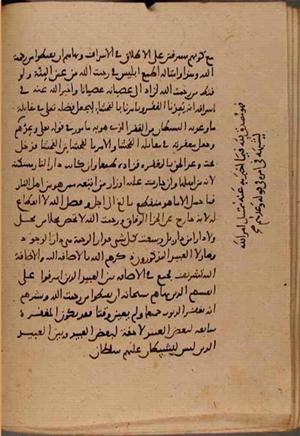
Yazma cildi 28 · Sayfa 191

Konya yazması

Arapça kaynağı açİngilizce çeviriyi aç

Arapça

فيه أمر يحول بينه وبين عموم مغفرته على عباده.

﴿غَفُورٌ﴾ [فاطر: ٢٨]، ببنية مبالغة في الغفران، بعمومها، فهي رجاء مطلق للعصاة على طبقاتهم.

وقوله فيمن ﴿يُبَدِّلْ نِعْمَةَ الله من بَعْدِ ما جاءَتْهُ﴾ أنه ﴿شَدِيدُ الْعِقابِ﴾ [البقرة: ٢١١]، أي يسرع تعالى إلى من هذه صفته بالعقاب، وهو أن يعقبه فيما بدله، أن التبديل لله عز وجل، ليس له، فيعرفه أنه ﴿بِيَدِهِ مَلَكُوتُ كُلِّ شَيْءٍ﴾ [المؤمنون: ٨٨؛ يس: ٨٣].

فإن الله ما قرن بهٰذا العقاب ألما، ومتى لم يقرن الألم بعذاب أو عقاب، فله محمل في عين الأمر المؤلم، فإنه لا يخاف إلا من الألم، ولا يرغب إلا في الالتذاذ، خاصة، هٰذا يقتضيه الطبع الذي وجد عليه من يقبل الألم واللذة.

(تعليم الحجج وبسط الرحمة)

وقد أعطى الله لعبيده[72] في القرآن من الاحتجاج ما لا يحصى كثرة، كل ذٰلك تعليم من الله.

فلو كان الشقاء يستأصل الشقي ما بسط الله لعباده من الرحمة ما بسط، ولا ذكر من الحجج ما ذكره، وهو قوله: ﴿وعَلَّمَكَ ما لَمْ تَكُنْ تَعْلَمُ وكانَ فَضْلُ الله عَلَيْكَ عَظِيماً﴾ [النساء: ١١٣].

ولا يعظم الفضل الإلهي إلا في المسرفين والمجرمين، وأما في المحسنين ف ﴿ما عَلَى الْمُحْسِنِينَ من سَبِيلٍ﴾ [التوبة: ٩١]، فإن الفضل الإلهي جاءهم ابتداء، وبه كانوا محسنين، وما بقي الفضل الإلهي إلا في غير المحسنين ﴿والله يَقُولُ الْحَقَّ وهُوَ يَهْدِي السَّبِيلَ﴾ [الأحزاب: ٤] ﴿ويَهْدِي من يَشاءُ إِلى صِراطٍ مُسْتَقِيمٍ﴾ [يونس: ٢٥].

Notlar

[72]

(كان الرسم في النسخة السابقة «لعبيدة»، وصُحّح إلى «لعبيده» بمقابلة الطبعة الجديدة (ج١٠، ص١٤٠).)
İngilizce

Him so as to come between Him and the universality of His forgiveness toward His servants.

‘Forgiving’ [Fatir 35:28] has a form intensifying forgiveness through its universality. It is thus an unrestricted hope for the disobedient in all their ranks.

His saying concerning one who ‘changes God’s blessing after it has come to him,’ that He is ‘severe in punishment’ [al-Baqara 2:211], means that He—exalted is He—hastens with punishment to one having this description. This is His following him up in what he changed: changing belongs to God, mighty and majestic, not to him. He makes him know that ‘in His hand is the dominion of everything’ [al-Muʾminun 23:88; Ya Sin 36:83].

God did not couple pain with this punishment. Whenever pain is not coupled with torment or punishment, it admits an interpretation within the very matter that causes pain. For only pain is feared, and only delight is desired. This is required by the nature in which one who receives pain and pleasure was brought into being.

(Teaching Arguments and Spreading Mercy)

God has given His servants[72] more arguments in the Qurʾan than can be counted. All this is teaching from God.

Were wretchedness to uproot the wretched entirely, God would not have spread for His servants the mercy He has spread, nor mentioned the arguments He mentioned. This is His saying, ‘He taught you what you did not know, and God’s favor upon you is immense’ [al-Nisaʾ 4:113].

Divine favor appears immense only among transgressors and offenders. As for those who do good, ‘there is no way against those who do good’ [al-Tawba 9:91]. Divine favor came to them at the outset, and through it they became doers of good. Divine favor remains only for those who do not do good. ‘God speaks the truth, and He guides the way’ [al-Ahzab 33:4], and ‘guides whom He wills to a straight path’ [Yunus 10:25].

Notlar

[72]

(The previous copy read لعبيدة; it was corrected to لعبيده, ‘to His servants,’ by comparison with the new edition, volume 10, page 140.)

Yazma görüntüsüYazma cildi 28 · Sayfa 191

Arapça ve İngilizce aynı Konya sayfa kimliğiyle bağlanır. Sayfa eşleştirmesi yaklaşıktır; doğrulamak için yazma görüntüsüne bakın.

Kahire kaynak referansı

Ibn al-Arabi, The Meccan Revelations — Yazma cildi 28 · Sayfa 191 — https://www.futmak.com/turkce/konya/pages.php?id=8517&text=both