
Futmak · الفتوحات المكية · Meccan Revelations

Fütûhât-ı Mekkiyye

Yazma cildi 28 · Sayfa 189

Konya yazması

Arapça kaynağı açİngilizce çeviriyi aç

Arapça

مع كونهم مسرفين على الإطلاق في الإسراف، ونهاهم أن يقنطوا من رحمة الله.

(الطمع في رحمة الله)

وهٰذا وأمثاله أطمع إبليس في رحمة الله من عين المنة، ولو قنط من رحمة الله لزاد إلى عصيانه عصيانا.

وأخبر الله عنه في إسرافه أنه يعدنا الفقر ويأمرنا بالفحشاء، ليجعل فضله تعالى في مقابلة ما وعد به الشيطان من الفقر، الذي هو به مأمور، في قوله تعالى: ﴿وعِدْهُمْ﴾ [الإسراء: ٦٤].

فهو مصدق لله، فيما أخبر به عنه، ممتثل أمر الله، بشبهة في أمره في قوله: ﴿وعِدْهُمْ﴾ [الإسراء: ٦٤].

وجعل مغفرته في مقابلة الفحشاء، والأمر بالفحشاء من الفحشاء، فدخل تحت وعد الحق بالمغفرة، فزاده طمعا.

وإن كانت دار النار مسكنه، لأنه من أهلها، وإن حارت عليه أوزار[70] من اتبعه ممن هو من أهل النار، فما حمل إلا ما هو منقطع، بالغ إلى أجل.

وفضل الله لا انقطاع له، لأنه خارج عن الجزاء الوفاق؛ ورحمة الله لا تخص محلا من محل، ولا دارا من دار، بل وسعت كل شيء، فدار الرحمة هي دار الوجود.

(تشريف العباد بالإضافة)

وهٰؤلاء العبيد المذكورون، ذكرهم الله بالإضافة إليه، والإضافة إليه تشريف.

فجمع في الإضافة بين العبيد ﴿الَّذِينَ أَسْرَفُوا عَلى أَنْفُسِهِمْ﴾ ـ الذين نهاهم سبحانه أن يقنطوا من رحمة الله، وبشرهم أنه ﴿يَغْفِرُ الذُّنُوبَ جَمِيعاً﴾ [الزمر: ٥٣]، ولم يعين وقتا، فقد تكون المغفرة سابقة لبعض العبيد، لاحقة لبعض العبيد ـ وبين العبيد الذين ليس للشيطان عليهم سلطان.

Notlar

[70]

(كان الرسم في النسخة السابقة «أو زار»، وصُحّح إلى «أوزار» بمقابلة الطبعة الجديدة (ج١٠، ص١٣٩).)
İngilizce

despite their being transgressors without qualification in their transgression, and He forbade them to despair of God’s mercy.

(Hope in God’s Mercy)

This and its like made Iblis hope for God’s mercy through sheer gracious bestowal. Had he despaired of God’s mercy, he would have added another act of disobedience to his disobedience.

God reported concerning his transgression that he promises us poverty and commands us to indecency, so as to set His favor opposite Satan’s promise of poverty, which he is commanded to make in His saying, ‘Promise them’ [al-Israʾ 17:64].

He thus confirms God’s truthfulness concerning what He reported of him, and obeys God’s command through a semblance within His command, ‘Promise them’ [al-Israʾ 17:64].

He set His forgiveness opposite indecency. Commanding indecency is itself indecency, so it fell under the Real’s promise of forgiveness, increasing his hope.

Although the abode of the Fire is his dwelling, since he is one of its people, and although the burdens[70] of those followers of his who belong to the people of the Fire return upon him, he bears only what is finite, reaching a term.

God’s favor has no end, for it lies beyond a recompense proportionate to deeds. God’s mercy does not single out one locus rather than another or one abode rather than another: it has encompassed everything. The abode of mercy is therefore the abode of existence.

(Honoring Servants by Attributing Them to Himself)

God mentioned these servants by attributing them to Himself, and attribution to Him is an honor.

Within this attribution He brought together the servants ‘who have transgressed against themselves’—whom He forbade to despair of God’s mercy and to whom He gave the glad tidings that He ‘forgives all sins’ [al-Zumar 39:53], without specifying a time, so that forgiveness may precede for some servants and follow for others—and the servants over whom Satan has no authority.

Notlar

[70]

(The previous copy read أو زار; it was corrected to أوزار, ‘burdens,’ by comparison with the new edition, volume 10, page 139.)

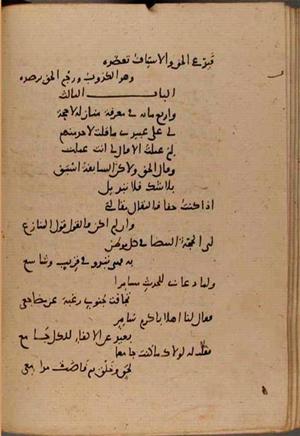
Yazma görüntüsüYazma cildi 28 · Sayfa 189

Arapça ve İngilizce aynı Konya sayfa kimliğiyle bağlanır. Sayfa eşleştirmesi yaklaşıktır; doğrulamak için yazma görüntüsüne bakın.

Kahire kaynak referansı

Ibn al-Arabi, The Meccan Revelations — Yazma cildi 28 · Sayfa 189 — https://www.futmak.com/turkce/konya/pages.php?id=8515&text=both