Fütûhât-ı Mekkiyye

Yazma cildi 28 · Sayfa 168

Konya yazması

Arapça kaynağı açİngilizce çeviriyi aç

Arapça

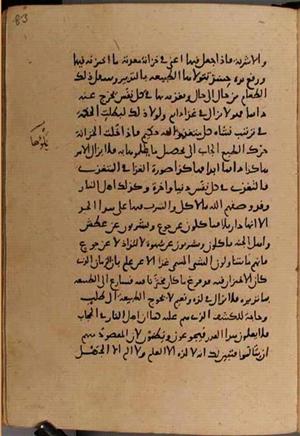
يجد من يرشده إلى الطريق، ولكن لا يسمع.

وفي النار ما يجد من يرشده إلى الطريق، فإنه ما ثم طريق، لكن يجد من يندمه على ما فاته، ليزيده حسرة إلى حسرته، وعذابا إلى عذابه.

فليل أهل النار لا صباح له، ونهار أهل الجنة لا مساء له، أي لا ليل فيه.

(اختلاف أثر الموعظة باختلاف المتلقي)

فمن وعظ الناس في عقده، طلبا منه بذٰلك أن ينفع الناس في عقده، فما عرف الله، بخلاف المذكر، فإنه يذكر ويعظ بما عنده، ويعلم أن من السامعين من يكون له ذٰلك الوعظ، شفاء ودواء، ومن الناس من يزيده مرضا إلى مرضه.

كما قال تعالى: ﴿وإِذا ما أُنْزِلَتْ سُورَةٌ﴾، وهي واحدة ﴿فَأَمَّا الَّذِينَ آمَنُوا فَزادَتْهُمْ إِيماناً وهُمْ يَسْتَبْشِرُونَ﴾ [التوبة: ١٢٤]، بورود العافية عليهم.

﴿وأَمَّا الَّذِينَ في قُلُوبِهِمْ مَرَضٌ فَزادَتْهُمْ رِجْساً إِلَى رِجْسِهِمْ﴾ [التوبة: ١٢٥].

والسورة واحدة، والمزاج مختلف، فلا يعرف حقيقة هذه الآية إلا الأطباء الذين يعلمون أن العقار الفلاني فيه شفاء لمزاج خاص من مرض خاص، وهو داء، وعلة لمزاج خاص، وزيادة مرض في مرض خاص.

فالطبيب أحق الناس علما بهذه الآية، وكذٰلك طبيب القلوب فيما يؤمنها ويخيفها.

فالحكيم هو الذي يأتي إلى العليل من مأمنه، ويظهر له بصورة من يعتقد فيه، ليستدرجه إلى صورة الحق، بالحق الذي يليق به.

(المشيئة واختلاف الخلق)

ولكن وقع الأمر الإلهي في العالم بخلاف هٰذا، لأن
İngilizce

he finds someone to guide him to the path, but does not listen.

Within the Fire he finds no one to guide him to the path, for there is no path there. He finds someone who makes him regret what he missed, adding regret to his regret and punishment to his punishment.

The night of the people of the Fire has no morning, and the daylight of the people of the Garden has no evening: no night within it.

(The Differing Effect of Admonition According to Its Recipient)

Whoever admonishes people according to his belief, seeking thereby to benefit people according to his belief, has not known God. Unlike him is the one who reminds: he reminds and admonishes through what he possesses, knowing that for some listeners that admonition is healing and medicine, while for others it adds sickness to sickness.

As He, exalted is He, said, ‘When a sura is sent down’—a single sura—‘as for those who believe, it increases them in faith, and they rejoice’ [al-Tawba 9:124], through the coming of well-being upon them.

‘As for those in whose hearts is sickness, it adds foulness to their foulness’ [al-Tawba 9:125].

The sura is one and the temperament differs. Only physicians know this verse’s reality: they know that a particular drug heals a particular temperament of a particular illness, while for another particular temperament it is a disease and ailment, increasing a particular illness.

The physician is the person most entitled to knowledge of this verse. Likewise the physician of hearts concerning what gives them security or fear.

The wise person approaches the sick one from where he feels secure, appearing in the form of someone he trusts, to draw him gradually toward the form of truth through the truth that befits him.

(Will and Creation’s Diversity)

Yet the divine command occurred within the world contrary to this, because

Yazma görüntüsüYazma cildi 28 · Sayfa 168

Arapça ve İngilizce aynı Konya sayfa kimliğiyle bağlanır. Sayfa eşleştirmesi yaklaşıktır; doğrulamak için yazma görüntüsüne bakın.

Kahire kaynak referansı

Ibn al-Arabi, The Meccan Revelations — Yazma cildi 28 · Sayfa 168 — https://www.futmak.com/turkce/konya/pages.php?id=8494&text=both