
Futmak · الفتوحات المكية · Meccan Revelations

Fütûhât-ı Mekkiyye

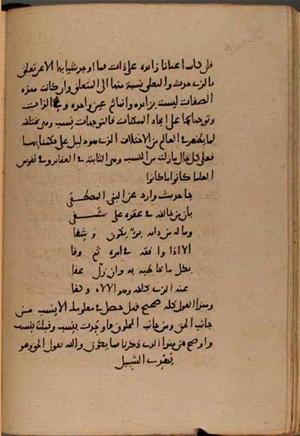
Yazma cildi 28 · Sayfa 131

Konya yazması

Arapça kaynağı açİngilizce çeviriyi aç

Arapça

في الخيرية، وبما تقبل العدم لها نصيب في الشر.

وليس الأدب إلّا جماع الخير كله[48]، ولهٰذا سميت المأدبة مأدبة، لاجتماع الناس فيها على الطعام.

ولا شك أن الخير ظهر في العالم متفرقا، فلا يخلو ممكن عن خيرية مّا، والممكن الكامل المخلوق على الصورة الإلهية، المخصوص بالسورة الإمامية، لا بد وإن يكون جامعا لجميع الخير كله، ولهٰذا استحق الإمامة والنيابة في العالم.

ولهٰذا قال في آدم ع: ﴿وعَلَّمَ آدَمَ الْأَسْماءَ كُلَّها﴾ [البقرة: ٣١]، وما ثم إلا اسم ومسمى.

(علم الأسماء وجوامع الكلم)

وقد حصل علم الأسماء محمد ص، حين قال: «علمت علم الأولين والآخرين»، فعلمنا أنه قد حصل عنده علم الأسماء، فإنه من العلم الأول، ولأن آدم له الأولية، فهو من الأولين في الوجود الحسي.

وقال عن نفسه، فيما خص به على غيره، إنه أوتي جوامع الكلم، والكلم جمع كلمة، والكلم أعيان المسميات؛ قال تعالى: ﴿وكَلِمَتُهُ أَلْقاها إِلى مَرْيَمَ﴾ [النساء: ١٧١]، وليست غير عيسى.

فأعيان الموجودات كلها كلمات الحق، وهي لا تنفد، فقد حصل له الأسماء والمسميات، فقد جمع الخير كله.

فاستحق السيادة على جميع الناس، وهو قوله: «أنا سيد الناس يوم القيامة».

وهناك تظهر سيادته، لكون الآخرة محل تجلّي الحق العام، فلا يتمكن لتجليه دعوى من أحد فيما ينبغي

Notlar

[48]

(كان الرسم في النسخة السابقة «الإجماع الخير»، وصُحّح إلى «إلا جماع الخير» بمقابلة الطبعة الجديدة (ج١٠، ص٩٦).)
İngilizce

in goodness, and insofar as they receive nonexistence, they have a share in evil.

Proper decorum is nothing but the gathering of all goodness[48]. For this reason a banquet is called a maʾduba, because people gather at it for food.

There is no doubt that goodness appeared dispersed throughout the world, so no possible thing is without some goodness. The perfect possible being, created in the divine form and singled out for imamic eminence, must gather together all goodness. For this reason he deserved the imamate and deputation within the world.

Thus He said of Adam, peace be upon him: ﴿And He taught Adam all the Names﴾ [al-Baqara 2:31]. There is nothing but a name and a named thing.

(Knowledge of the Names and the All-Comprehensive Words)

Muḥammad, God's blessings and peace be upon him, attained knowledge of the Names when he said, ‘I was taught the knowledge of the first and the last.’ We therefore know that knowledge of the Names was attained by him, since it belongs to the first knowledge, and since Adam possesses primacy: he is among the first in sensory existence.

He said of himself, concerning what distinguished him above others, that he had been given the all-comprehensive words. ‘Words’ is the plural of ‘word,’ and the words are the entities of the named things. He, exalted is He, said: ﴿And His Word, which He cast to Mary﴾ [al-Nisāʾ 4:171]; it is none other than Jesus.

The entities of all existing things are the Real's words, and they are inexhaustible. He thus attained the names and the named things, and so gathered all goodness.

He therefore deserved mastery over all people. This is his saying, ‘I am the master of mankind on the Day of Resurrection.’

There his mastery appears, because the Hereafter is the locus of the Real's universal self-disclosure. At His self-disclosure, no one can make a claim to what ought

Notlar

[48]

(The previous version read ‘al-ijmāʿ al-khayr’; this was corrected to ‘illā jimāʿ al-khayr’ [nothing but the gathering of goodness] by comparison with the new edition, vol. 10, p. 96.)

Yazma görüntüsüYazma cildi 28 · Sayfa 131

Arapça ve İngilizce aynı Konya sayfa kimliğiyle bağlanır. Sayfa eşleştirmesi yaklaşıktır; doğrulamak için yazma görüntüsüne bakın.

Kahire kaynak referansı

Ibn al-Arabi, The Meccan Revelations — Yazma cildi 28 · Sayfa 131 — https://www.futmak.com/turkce/konya/pages.php?id=8457&text=both