
Futmak · الفتوحات المكية · Meccan Revelations

Fütûhât-ı Mekkiyye

Yazma cildi 28 · Sayfa 126

Konya yazması

Arapça kaynağı açİngilizce çeviriyi aç

Arapça

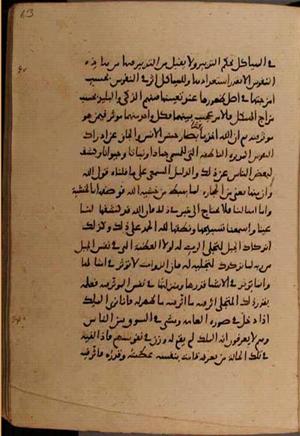
في الهياكل، بحكم التدبير، ولا تقبل من التدبير فيها من هذه النفوس إلا بقدر استعدادها.

وللهياكل أثر في النفوس، بحسب أمزجتها في أصل ظهورها عند تعيينها، فمنهم الذكي والبليد بحسب مزاج الهيكل، فالأمر عجيب بينهما، فكل واحد منهما مؤثر فيمن هو مؤثر فيه.

(حياة الموجودات وحجاب الإدراك)

ثم إن الله أخذ بأكثر أبصار جنس الإنس والجان عن إدراك النفوس المدبرة، الناطقة التي للمسمى جمادا ونباتا وحيوانا، وكشف لبعض الناس عن ذٰلك.

والدليل السمعي على ما قلناه قول الله: ﴿وإِنَّ مِنْها﴾، يعني من الحجارة ﴿لَما يَهْبِطُ من خَشْيَةِ الله﴾ [البقرة: ٧٤]، فوصفها بالخشية.

وأما أمثالنا، فلا يحتاج إلى خبر في ذٰلك، فإن الله قد كشفها لنا عينا، وأسمعنا تسبيحها ونطقها، لله الحمد على ذٰلك.

(أثر العلم بقدر المتجلي)

وكذٰلك اندكاك الجبل لتجلّي الرب له، لولا العظمة التي في نفس الجبل من ربه، لما تدكدك لتجليه له.

فإن الذوات لا تؤثر في أمثالها، وإنما يؤثر في الأشياء قدرها، ومنزلتها في نفس المؤثَّر فيه، فعلمه بقدر ذٰلك المتجلي أثر فيه ما أثر فيه، ما ظهر له.

فإنا نرى الملك إذا دخل في صورة العامة ومشى في السوق بين الناس، وهم لا يعرفون أنه الملك، لم يقم له وزن في نفوسهم.

فإذا لقيه في تلك الحالة من يعرفه، قامت بنفسه عظمته وقدره، فأثر فيه [ص ٦٣/٢ (مكرر)] علمه به، فاحترمه، وتأدب، وسجد له.

فإذا رأى الناس الذين يعرفون قرب ذٰلك العالم من الملك، وأن منزلته لا تعطي أن يظهر منه مثل هٰذا الفعل إلا مع الملك، علموا أنه الملك، فحادت إليه الأبصار، وخشعت الأصوات، وأوسعوا له، وتبادروا لرؤيته واحترامه.

فهل أثر ذٰلك عندهم إلا ما قام بهم من العلم به؟ فما احترموه لصورته، فقد كانت صورته مشهودة لهم، وما علموا أنه الملك.

وكونه ملكا، ليس عين صورته، وإنما هي رتبة نسبية أعطته التحكم في العالم الذي تحت بيعته.

(خبر يورده المؤلف في اختلاف المعرفة)

ورد في الخبر الذي خرجه أبو نعيم الحافظ في دلائل النبوة في بعض إسراءات رسول الله ص، أنه قال: جاءه جبريل ع ليلة، ومعه شجرة فيها كَوَكْرَيِ الطائر[46]، فقعد رسول الله ص في الوكر الواحد، وقعد جبريل ع في الوكر الآخر.

ثم إن الشجرة علت بهما، حتى بلغا السماء، فتدلى إليهما رفرف در وياقوت.

فأما محمد ص، فلم يعلم ما هو، فلم يؤثر فيه، وأما جبريل ع، عندما رآه، غُشي عليه.

فقال ص: «فعلمت فضله علي في العلم»، فإنه علم ما رأى، فأثر فيه علمه بما رآه الغشي، ولم يعلمه رسول الله ص، فلم ير له أثر فيه.

[ص ٦٣/٢ب (مكرر)] فلا يؤثر في الأشياء، إلا ما قام بها، وليس إلا العلم.

(مثال اختلاف الأثر في قارئَي القرآن)

ألا ترى شخصين يقرآن القرآن، فيخشع أحدهما، ويبكي، والآخر ما عنده من ذٰلك كله خبر، ولا يؤثر فيه، هل ذٰلك إلا من أثر علمه القائم به لما تدل عليه تلك الآية، وشهوده ما تضمنته من الأمر الذي أبكاه وخشع له؟

والآخر أعمى عن تلك المعاني، لا يجاوز القرآن حنجرته، ولا أثر لتلاوته فيه.

فلم يكن الأثر لصورة لفظ الآية، وإنما الأثر لما قام بنفس العالم بها، المشاهد ما نزلت له تلك الآية، فلا يؤثر فيك إلا ما قام بك، من حيث ما تعلم وتشهد.

فلولا علمه بالأمر، ما هاله، وإذا لم يرتحل، ووقف، عندما رآه، وقد هاله ذٰلك، فبالضرورة يهلك، أي يغيب عن صوابه، وحسه، ويدهش، أو يغشى عليه، أو يموت فرقا منه، على قدر قوة ذٰلك التالي، أو ضعفه، فهو مع ما حصل في نفسه من ذٰلك ﴿ونُفِخَ في الصُّورِ فَصَعِقَ من في السَّماواتِ ومن في الْأَرْضِ إِلَّا من شاءَ الله﴾ [الزمر: ٦٨].

(الأهوال وحكم النسبة)

وهٰذا أمر إضافي، فقد يكون الأمر عند زيد أهول منه عند عمرو، وقد يكون عند عمرو أمر آخر أهول منه عند زيد.

فيؤثِّر الأهول عند كل واحد منهما، بحيث أن يقول كل واحد منهما عن صاحبه: عجبت لفلان، ما الذي رأى حتى أثر فيه بما ظهر عليه؟ كيف به لو علم ما عندي

Notlar

[46]

(كان الرسم في النسخة السابقة «كوكرى»، وصُحّح إلى «كَوَكْرَيِ» بمقابلة الطبعة الجديدة (ج١٠، ص٩٢).)
İngilizce

upon the bodily frames through governance. Yet the frames accept their governance only to the extent of their own preparedness.

The bodily frames have an effect upon the souls according to their constitutions at the souls' original appearance, when they become determinate. Some are intelligent and others dull according to the frame's constitution. The matter between them is wondrous: each affects that which affects it.

(The Life of Existing Things and the Veil over Perception)

Then God withheld the sight of most of the human and jinn kinds from perceiving the governing, rational souls belonging to what is called inanimate matter, plants, and animals. He unveiled this to some people.

The transmitted proof for what we have said is God's saying: ﴿And among them﴾—meaning stones—﴿are those that fall down out of fear of God﴾ [al-Baqara 2:74]. He thus described them as possessing fear.

As for those like us, no report is needed for this: God has unveiled them to us directly, and has let us hear their glorification and speech. Praise belongs to God for this.

(Knowledge of the Rank of the Self-Discloser and Its Effect)

Likewise, the mountain was crushed by the Lord's self-disclosure to it. Were it not for the immensity of its Lord within the mountain's soul, it would not have crumbled at His self-disclosure to it.

For essences do not affect their likes. What affects things is their worth and rank within the soul of the one affected. Its knowledge of the rank of that Self-Discloser produced the effect it did within it, rather than what appeared to it.

We see that when a king enters in the form of the common people and walks among them in the market, while they do not know he is the king, he carries no weight within their souls.

But if someone who knows him meets him in that state, his immensity and rank arise within that person's soul. His knowledge of him then affects him [p. 63/2 (repeated)], and he respects him, observes proper decorum, and prostrates before him.

When people who know how close this knowing person is to the king see this, and know that his standing would not allow such an act to appear from him except toward the king, they recognize that he is the king. Eyes then turn toward him, voices are hushed, they make room for him, and they hasten to see and honor him.

Did anything produce that effect upon them except the knowledge of him that arose within them? They did not honor him for his form: his form had been visible to them, yet they did not know he was the king.

His being king is not identical to his form. It is only a relational rank granting him authority over the world that has pledged allegiance to him.

(A Report Cited by the Author on Differing Knowledge)

In a report recorded by the memorizer Abū Nuʿaym in The Proofs of Prophethood, concerning one of the night journeys of the Messenger of God, God's blessings and peace be upon him, it is related that he said: Gabriel, peace be upon him, came to him one night with a tree containing something like two birds' nests[46]. The Messenger of God, God's blessings and peace be upon him, sat in one nest, and Gabriel, peace be upon him, sat in the other.

The tree then rose with them until they reached heaven, where a rafraf of pearls and rubies descended toward them.

Muḥammad, God's blessings and peace be upon him, did not know what it was, so it had no effect on him. But Gabriel, peace be upon him, fainted when he saw it.

He, God's blessings and peace be upon him, said: ‘I then knew his superiority to me in knowledge.’ He knew what he saw, and his knowledge of what he saw produced fainting within him. The Messenger of God, God's blessings and peace be upon him, did not know it, and so no effect of it was seen in him.

[p. 63/2b (repeated)] Nothing affects things except what abides within them, and that is nothing but knowledge.

(An Example of Differing Effects upon Two Reciters of the Qur'an)

Do you not see two people reciting the Qur'an, one of whom becomes humble and weeps, while the other knows nothing of any of this, and it has no effect upon him? Is this due to anything but the effect of the knowledge abiding within him of what that verse indicates, and his witnessing what it contains of the matter that made him weep and become humble before it?

The other is blind to these meanings. The Qur'an does not pass beyond his throat, and his recitation has no effect within him.

The effect did not belong to the form of the verse's wording. The effect belonged to what abided within the soul of the one knowing it and witnessing that for which the verse was sent down. Thus nothing affects you except what abides within you, in respect of what you know and witness.

Had he not known the matter, it would not have terrified him. If he does not move on, but stops when he sees it, while it has terrified him, he necessarily perishes: that is, he loses his sound judgment and senses, is bewildered, faints, or dies of fear of it, according to that reciter's strength or weakness. He is thus with what has come to be within his soul of this: ﴿The Trumpet is blown, and whoever is in the heavens and whoever is on earth falls stricken, except whom God wills﴾ [al-Zumar 39:68].

(Terrors and the Ruling of Relation)

This is a relative matter. Something may be more terrifying to Zayd than to ʿAmr, while something else may be more terrifying to ʿAmr than to Zayd.

What is more terrifying to each produces its effect, so that each says of the other, ‘I am astonished at so-and-so! What did he see that affected him with what appeared upon him? What would happen to him if he knew what I have

Notlar

[46]

(The previous version read ‘kwkrā’; this was corrected to ‘ka-wakray’ [like the two nests] by comparison with the new edition, vol. 10, p. 92.)

Yazma görüntüsüYazma cildi 28 · Sayfa 126

Arapça ve İngilizce aynı Konya sayfa kimliğiyle bağlanır. Sayfa eşleştirmesi yaklaşıktır; doğrulamak için yazma görüntüsüne bakın.

Kahire kaynak referansı

Ibn al-Arabi, The Meccan Revelations — Yazma cildi 28 · Sayfa 126 — https://www.futmak.com/turkce/konya/pages.php?id=8452&text=both