
Futmak · الفتوحات المكية · Meccan Revelations

Fütûhât-ı Mekkiyye

Yazma cildi 28 · Sayfa 119

Konya yazması

Arapça kaynağı açİngilizce çeviriyi aç

Arapça

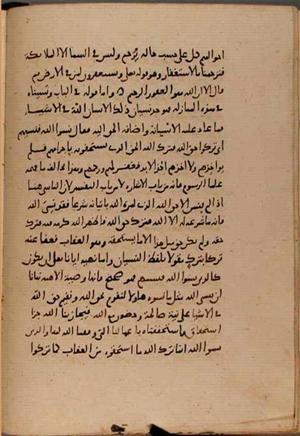
أحوالهم، كل على حسب حاله يرحم.

وليس في السماء إلا الملائكة، فترحمنا بالاستغفار، وهو قوله تعالى: ﴿ويَسْتَغْفِرُونَ لِمَنْ في الْأَرْضِ﴾، ثم قال: ﴿أَلا إِنَّ الله هُوَ الْغَفُورُ الرَّحِيمُ﴾ [الشورى: ٥].

(النسيان والترك في إشارة المؤلف)

وأما قوله في هٰذا الباب: «ونسيناه» في هذه المنازلة، فهو حد نسيان ذٰلك الإنسان الله في الأشياء، فما عاد عليه إلا نسيانه، وأضافه الحق إليه فقال: ﴿نَسُوا الله فَنَسِيَهُمْ﴾ [التوبة: ٦٧]، أي: تركوا حق الله، فترك الله الحق الذي يستحقونه بإجرامهم، فلم يؤاخذهم، ولا آخذهم أخذ الأبد، فغفر لهم ورحمهم.

وهٰذا يخالف ما فهمه علماء الرسوم، فإنه من باب الإشارة، لا من باب التفسير[42]، لأن الناسي هنا إذا لم ينسَ إلا حق الله الذي أمره الله بإتيانه شرعا، فقد نسي الله، فإنه ما شرعه له إلا الله، فترك حق الله.

فأظهر الله كرمه فيه، فترك حقه، ولم يكن حق مثل هٰذا إلا ما يستحقه، وهو العقاب، فعفا عنه، تركا بترك، مقولا بلفظ النسيان.

(النهي عن نسيان حق الله)

وأما نهيه تعالى إيانا أن نكون ﴿كَالَّذِينَ نَسُوا الله﴾ [الحشر: ١٩] فنسيهم، فهو صحيح، فإنها وصية إلهية نهانا أن ننسى الله، مثل ما نسوه هٰؤلاء، لنقوم بحق الله، ونقيم حق الله في الأشياء، على نية صالحة، وحضور مع الله، فيجازينا الله جزاء استحقاق استحققناه بأعمالنا، التي وفقنا الله لها.

والذين نسوا الله، إنما ترك الله ما استحقوه من العقاب، كما تركوا

Notlar

[42]

(هذا قيد المؤلف نفسه على حمل النسيان على الترك في هذا الموضع.)
İngilizce

their states; each is shown mercy according to his state.

There are none in heaven but the angels, and they show us mercy by seeking forgiveness. This is His saying, exalted is He: ﴿And they seek forgiveness for those on earth﴾. Then He said: ﴿Truly, God is the All-Forgiving, the Ever-Merciful﴾ [al-Shūrā 42:5].

(Forgetting and Forsaking in the Author's Allusion)

As for His saying in this chapter, in this mutual encounter, ‘And We forgot him’: this is the extent to which that human being forgot God in things. Nothing returned to him but his own forgetting. The Real attributed it to Himself, saying: ﴿They forgot God, so He forgot them﴾ [al-Tawba 9:67]. That is, they forsook God's right, so God forsook the due that they deserved for their crimes: He did not call them to account, nor seize them with an everlasting seizure. He therefore forgave them and showed them mercy.

This differs from what the scholars of formal learning have understood. It belongs to allusion, not to exegesis[42]. For if the one forgetting here has forgotten only God's right, which God commanded him to fulfill through the Revealed Law, he has forgotten God, since none but God prescribed it for him. Thus he forsook God's right.

God then manifested His generosity toward him and forsook his due. The due of someone like this was only what he deserved, namely punishment; so He pardoned him—forsaking for forsaking, expressed by the word ‘forgetting.’

(The Prohibition against Forgetting God's Right)

As for His prohibition, exalted is He, against our being ﴿like those who forgot God﴾ [al-Ḥashr 59:19], so that He forgot them, it is sound. It is a divine counsel forbidding us to forget God as these people forgot Him, so that we may fulfill God's right and uphold God's right in things with a righteous intention and presence with God. God will then recompense us with the recompense we deserve through our deeds, for which God granted us success.

As for those who forgot God, God only forsook the punishment they deserved, just as they forsook

Notlar

[42]

(This is the author's own qualification of his taking ‘forgetting’ to mean ‘forsaking’ in this passage.)

Yazma görüntüsüYazma cildi 28 · Sayfa 119

Arapça ve İngilizce aynı Konya sayfa kimliğiyle bağlanır. Sayfa eşleştirmesi yaklaşıktır; doğrulamak için yazma görüntüsüne bakın.

Kahire kaynak referansı

Ibn al-Arabi, The Meccan Revelations — Yazma cildi 28 · Sayfa 119 — https://www.futmak.com/turkce/konya/pages.php?id=8445&text=both