
Futmak · الفتوحات المكية · Meccan Revelations

Fütûhât-ı Mekkiyye

Yazma cildi 28 · Sayfa 118

Konya yazması

Arapça kaynağı açİngilizce çeviriyi aç

Arapça

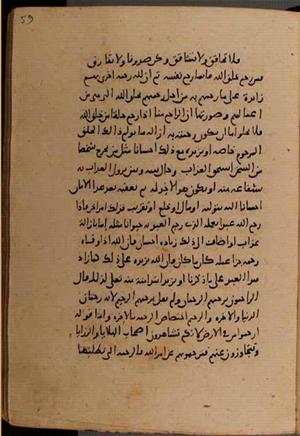
فلا تُحَاقِقْ، ولا تشاقق؛ وكن صدوقا، ولا تفارق.

(الجزاء على الرحمة وزيادة الإحسان)

فمن رحم خلق الله، فإنما رحم نفسه، ثم إن لله رحمة أخرى بهم، زائدة على ما رحمهم به، من أجل رحمتهم بخلق الله، التي هي من أعمالهم.

وصورتها إن الراحم منا إذا رحم خلقا من خلق الله، فلا يخلو، إما أن تكون رحمته به إزالة ما يؤلم ذٰلك الخلق المرحوم، خاصة، أو يزيده مع ذٰلك إحسانا.

مثل من يخرج شخصا من السجن، استحق العذاب، وحال بينه وبين نزول العذاب به، بشفاعة منه، أو يكون هو الآخذ له.

ثم يعقبه بعد هٰذا الأمان، إحسانا إليه، بتولية، أو مال، أو خلع، أو تقريب، فذٰلك أمر آخر.

فإذا رحم الله عبدا بعمله[41] الذي رحم العبد به حيوانا مثله، إما بإزالة عذاب، أو أضاف إلى ذٰلك زيادة إحسان، فإن الله إذا وفاه رحمة جزاء عمله، كان ما كان، فإن الله يزيده على ذٰلك، كما زاد هٰذا العبد على ما ذكرنا، أو يزيد ابتداء منة منه تعالى.

لذٰلك قال: «الراحمون يرحمهم الرحمن»، ولم يقل «يرحمهم الرحيم»، لأنه رحمن الدنيا والآخرة، والرحيم اختصاص الرحمة بالآخرة.

(رحمة الملائكة بالاستغفار)

وأما قوله: «ارحموا من في الأرض يرحمكم من في السماء»، لأنكم تشاهدون أصحاب البلايا والرزايا، وتتجاوزون عنهم، فترحمونهم عن أمر الله بالرحمة التي تطلبها

Notlar

[41]

(كان الرسم في النسخة السابقة «بعلمه»، وصُحّح إلى «بعمله» بمقابلة الطبعة الجديدة (ج١٠، ص٨٦).)
İngilizce

So do not wrangle over rights or oppose; be truthful, and do not part.

(Recompense for Mercy and an Increase in Beneficence)

Whoever shows mercy to God's creatures has only shown mercy to himself. Then God has a further mercy toward them, beyond the mercy He has shown them on account of their mercy toward God's creatures, which is one of their deeds.

Its form is this: when a merciful person among us shows mercy to one of God's creatures, his mercy must either consist solely in removing what pains that creature receiving mercy, or add beneficence to this as well.

Take someone who releases from prison a person deserving punishment and interposes himself between that person and the punishment descending upon him, through intercession on his behalf, or who is himself the one holding him.

Then, following this grant of safety, he shows him beneficence by appointing him to an office, giving him wealth or robes of honor, or bringing him near. That is a further matter.

When God shows mercy to a servant through the deed[41] by which that servant showed mercy to a living creature like himself, whether by removing punishment or by adding further beneficence to this, then, once God has paid him the full mercy that recompenses his deed, whatever it may have been, God gives him an increase beyond it. This is just as this servant added to what we have mentioned; or He gives an increase as an initial favor from Him, exalted is He.

For this reason he said, ‘The merciful are shown mercy by the All-Merciful,’ and did not say, ‘They are shown mercy by the Ever-Merciful,’ because He is the All-Merciful of this world and the Hereafter, whereas the Ever-Merciful signifies mercy's particular association with the Hereafter.

(The Angels' Mercy through Seeking Forgiveness)

As for his saying, ‘Show mercy to those on earth, and those in heaven will show mercy to you’: because you witness those afflicted with trials and calamities, and overlook their faults, you show them mercy at God's command, with the mercy called for by

Notlar

[41]

(The previous version read ‘bi-ʿilmihi’ [through his knowledge]; this was corrected to ‘bi-ʿamalihi’ [through his deed] by comparison with the new edition, vol. 10, p. 86.)

Yazma görüntüsüYazma cildi 28 · Sayfa 118

Arapça ve İngilizce aynı Konya sayfa kimliğiyle bağlanır. Sayfa eşleştirmesi yaklaşıktır; doğrulamak için yazma görüntüsüne bakın.

Kahire kaynak referansı

Ibn al-Arabi, The Meccan Revelations — Yazma cildi 28 · Sayfa 118 — https://www.futmak.com/turkce/konya/pages.php?id=8444&text=both