Fütûhât-ı Mekkiyye

Yazma cildi 3 · Sayfa 114

Konya yazması

Arapça kaynağı açİngilizce çeviriyi aç

Arapça

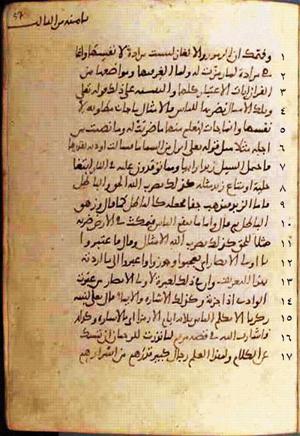
وفهمك إن الرموز والألغاز ليست مرادة لأنفسها، وإنما هي مرادة لما رمزت له ولما ألغز فيها. ومواضعها من القرآن آيات الاعتبار كلها، والتنبيه على ذٰلك قوله تعالى: ﴿وتِلْكَ الْأَمْثالُ نَضْرِبُها لِلنَّاسِ﴾ [العنكبوت: ٤٣]. فالأمثال ما جاءت مطلوبة لأنفسها، وإنما جاءت ليعلم منها ما ضربت له وما نصبت من أجله مثلا.

مثل قوله تعالى: ﴿أَنْزَلَ من السَّماءِ ماءً فَسالَتْ أَوْدِيَةٌ بِقَدَرِها فَاحْتَمَلَ السَّيْلُ زَبَداً رابِياً ومِمَّا يُوقِدُونَ عَلَيْهِ في النَّارِ ابْتِغاءَ حِلْيَةٍ أَوْ مَتاعٍ زَبَدٌ مِثْلُهُ كَذٰلك يَضْرِبُ الله الْحَقَّ والْباطِلَ فَأَمَّا الزَّبَدُ فَيَذْهَبُ جُفاءً﴾ [الرعد: ١٧]، فجعله كالباطل كما قال: ﴿وزَهَقَ الْباطِلُ﴾ [الإسراء: ٨١]. ثم قال: ﴿وأَمَّا ما يَنْفَعُ النَّاسَ فَيَمْكُثُ في الْأَرْضِ﴾ [الرعد: ١٧]، ضربه مثلا للحق، ﴿كَذٰلك يَضْرِبُ الله الْأَمْثالَ﴾ [الرعد: ١٧].

وقال: ﴿فَاعْتَبِرُوا يا أُولِي الْأَبْصارِ﴾ [الحشر: ٢]، أي تعجبوا وجوزوا واعبروا إلى ما أردته بهٰذا التعريف، و﴿إِنَّ في ذٰلك لَعِبْرَةً لِأُولِي الْأَبْصارِ﴾ [آل عمران: ١٣]، من عبرت الوادي إذا جزته. وكذٰلك الإشارة والإيماء، قال تعالى لنبيه زكريا: ﴿أَلَّا تُكَلِّمَ النَّاسَ ثَلاثَةَ أَيَّامٍ إِلَّا رَمْزاً﴾ [آل عمران: ٤١]، أي بالإشارة. وكذٰلك ﴿فَأَشارَتْ إِلَيْهِ﴾ [مريم: ٢٩] في قصة مريم لما نذرت للرحمن أن تمسك عن الكلام.

ولهٰذا العلم رجال كبير قدرهم، من أسرارهم
İngilizce

and grant you understanding—that symbols and riddles are not intended for their own sake. They are intended for that to which they point and that which is concealed within them. Their places in the Quran are all the verses calling for reflection and the drawing of lessons. His saying, exalted is He, calls attention to this: “These parables We set forth for humankind” [al-Ankabut 29:43]. Parables were not brought forth to be sought for their own sake. They were brought forth so that one might know from them that for which they were given and that for whose sake they were set up as examples.

For example, He says, exalted is He: “He sent down water from the sky, and valleys flowed according to their measure. The flood bore swelling foam; and from what they heat in the fire, seeking ornaments or useful goods, comes foam like it. Thus God sets forth truth and falsehood. As for the foam, it passes away as refuse” [al-Raʿd 13:17]. He made it like falsehood, just as He says: “Falsehood has passed away” [al-Isra 17:81]. Then He says: “But what benefits humankind remains in the earth” [al-Raʿd 13:17], making it a parable for truth. “Thus God sets forth parables” [al-Raʿd 13:17].

He says: “Take a lesson, O possessors of insight” [al-Hashr 59:2]—that is, marvel, pass over, and cross to what I intended by this making known. And: “In that there is indeed a lesson for possessors of insight” [Al ʿImran 3:13]. This comes from “I crossed the valley,” meaning that you passed over it. The same applies to indication and gesture. God Most High says to His prophet Zechariah: “That you shall not speak to people for three days except by signs” [Al ʿImran 3:41]—that is, by indication. Likewise, “She pointed to him” [Maryam 19:29], in the story of Mary when she vowed to the All-Merciful to refrain from speech.

This science has men of great rank. Among their secrets are—

Notlar

Translator’s note TN756-1: Iʿtibār, drawing a lesson or considering a parable, is connected here with ʿubūr, crossing over. The reader passes from the visible example to the meaning for which it was given.

Yazma görüntüsüYazma cildi 3 · Sayfa 114

Arapça ve İngilizce aynı Konya sayfa kimliğiyle bağlanır. Sayfa eşleştirmesi yaklaşıktır; doğrulamak için yazma görüntüsüne bakın.

Kahire kaynak referansı

Ibn al-Arabi, The Meccan Revelations — Yazma cildi 3 · Sayfa 114 — https://www.futmak.com/turkce/konya/pages.php?id=756&text=both