
Futmak · الفتوحات المكية · Meccan Revelations

Fütûhât-ı Mekkiyye

Yazma cildi 3 · Sayfa 37

Konya yazması

Arapça kaynağı açİngilizce çeviriyi aç

Arapça

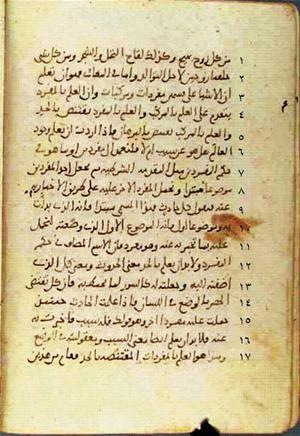
من كُلِّ زَوْجٍ بَهِيجٍ﴾ [الحج: ٥]، وكذٰلك لقاح النخل والشجر، و﴿من كُلِّ شَيْءٍ خَلَقْنا زَوْجَيْنِ﴾ [الذاريات: ٤٩] لأجل التوالد.

(المفردات والمركبات والحد والبرهان)

وأما في المعاني فهو أن تعلم أن الأشياء على قسمين: مفردات ومركبات، وأن العلم بالمفرد يتقدم على العلم بالمركب، والعلم بالمفرد يقتنص بالحد، والعلم بالمركب يقتنص بالبرهان.

فإذا أردت أن تعلم وجود العالَم، هل هو عن سبب أم لا، فلتعمد إلى مفردين أو ما هو في حكم المفردين، مثل المقدمة الشرطية. ثم تجعل أحد المفردين موضوعا مبتدأ، وتحمل المفرد الآخر عليه على طريق الإخبار به عنه.

فتقول: «كل حادث»، فهٰذا المسمى مبتدأ، فإنه الذي بدأت به، وموضوعا أول، فإنه الموضوع الأول الذي وضعته لتحمل عليه بما تخبر به عنه، وهو مفرد، فإن الاسم المضاف في حكم المفرد.

ولا بد أن تعلم بالحد معنى الحدوث ومعنى «كل» الذي أضفته إليه وجعلته له كالسور لما يحيط به، فإن «كل» تقتضي الحصر بالوضع في اللسان. فإذا علمت الحادث حينئذ حملت عليه مفردا آخر، وهو قولك: «فله سبب»، فأخبرت به عنه.

فلا بد أن تعلم أيضا معنى السبب ومعقوليته في الوضع، وهٰذا هو العلم بالمفردات المقتنصة بالحد. فقام من هذين
İngilizce

every delightful kind” [al-Ḥajj 22:5]. So too with the pollination of palms and trees: “Of everything We created a pair” [al-Dhāriyāt 51:49], for the sake of generation.

(Simple Terms, Compounds, Definition, and Demonstration)

In the realm of meanings, you should know that things fall into two classes: simple and compound. Knowledge of the simple precedes knowledge of the compound; knowledge of the simple is obtained through definition, and knowledge of the compound through demonstration.

If you wish to know whether the existence of the world comes from a cause or not, take two simple terms, or what has the status of two simple terms, such as a conditional proposition. Then make one simple term the subject with which you begin, and predicate the other of it by making a statement about it.

You say, “Everything temporally originated.” This is called the initial term, because you began with it, and the first subject, because it is the first subject you posited in order to predicate of it what you state about it. It is simple, since a term in an annexation construction has the status of a simple term.

Through definition, you must know the meaning of temporal origination and the meaning of “every,” which you have attached to it and made like a wall around whatever it encompasses. For “every,” according to its established linguistic meaning, entails comprehensiveness. Once you know what is temporally originated, you predicate another simple term of it, namely, “has a cause,” thereby making a statement about it.

You must also know the meaning of “cause” and its intelligible sense according to established usage. This is knowledge of simple terms obtained through definition. From these two—

Yazma görüntüsüYazma cildi 3 · Sayfa 37

Arapça ve İngilizce aynı Konya sayfa kimliğiyle bağlanır. Sayfa eşleştirmesi yaklaşıktır; doğrulamak için yazma görüntüsüne bakın.

Kahire kaynak referansı

Ibn al-Arabi, The Meccan Revelations — Yazma cildi 3 · Sayfa 37 — https://www.futmak.com/turkce/konya/pages.php?id=679&text=both