
Futmak · الفتوحات المكية · Meccan Revelations

Fütûhât-ı Mekkiyye

Yazma cildi 22 · Sayfa 226

Konya yazması

Arapça kaynağı açİngilizce çeviriyi aç

Arapça

فأتوا بلفظة النفي والتسبيح تنزيه ونفي، لا إثبات فجروا على الأصل الذي نطق الله به كل شيء فسلكوا مسلكا غريبا بين النظار.

والثناء على الله بالتسبيح لا تكل به الألسنة بخلاف الثناء بالأسماء فإن الألسنة تكل وتعيا وتقف فيها ولهٰذا قال من قال مما شرع له أن يقول من الثناء على الله فقال خاتما عند الإعياء والحصر: «لا أحصي ثناء عليك، أنت كما أثنيت على نفسك».

(الأسماء والنعوت والتواطؤ)

وانظر حكمة الله تعالى في كونه لم يجعل له صفة في كتبه بل نزه نفسه عن الوصف، فقال: ﴿ولِلَّهِ الْأَسْماءُ الْحُسْنى﴾ فجعلها أسماء، وما جعلها نعوتا ولا صفات وقال: ﴿فَادْعُوهُ بِها﴾ [الأعراف: 180]؛ وبها كان الثناء والاسم ما يعطي الثناء[39]؛ وإنما يعطيه النعت والصفة.

وما شعر أكثر الناس لكون الحق ما ذكر له نعتا في خلقه وإنما جعل ذٰلك أسماء، كالأسماء الأعلام التي ما جاءت للثناء، وإنما جاءت للدلالة وتلك الأسماء الإلهية الحسنى هي لنا نعوت يثنى علينا بها وأثنينا عليه بها وأثنى الله على نفسه بها لأنا قدمنا إن نزول الشرائع في العالم من الله إنما تنزل بحكم ما تواطأ عليه أهل ذٰلك اللسان سواء صادف أهل ذٰلك اللسان الحق في ذٰلك أو لا.

Notlar

[39]

(أُزيل التكرار العارض لعبارة «والاسم ما يعطي الثناء» بعد مقابلتها بالطبعة الأحدث، مع إبقاء الجملة مرة واحدة.)
İngilizce

They thus employed the expression of negation, and glorification is declaring transcendence and negation, not affirmation. They followed the principle through which God made everything speak, pursuing a strange course among those who engage in rational inquiry.

Tongues do not tire of praising God through glorification, unlike praise through Names, in which tongues tire, become weary, and stop. This is why the one who spoke the praise of God prescribed for him to speak concluded, upon weariness and inability to encompass it, by saying, ‘I cannot enumerate praise of You. You are as You have praised Yourself.’

(Names, Predicates, and Linguistic Convention)

Consider God's wisdom, exalted is He, in not assigning Himself an attribute in His scriptures. Rather, He declared Himself transcendent beyond description, saying, ‘To God belong the Most Beautiful Names.’ He made them Names, not predicates or attributes, and said, ‘So call upon Him through them’ [al-Aʿraf 7:180]. Through them praise took place. Yet a name does not yield praise[39]; only a predicate and an attribute yield it.

Most people have not noticed that the Real mentioned no predicate for Himself within His creation, but only made these names, like proper names, which do not come for praise but for indication. Those Most Beautiful divine Names are predicates for us, through which we are praised. We praise Him through them, and God praises Himself through them, because, as we explained earlier, the descent of revealed Laws from God into the world occurs according to what the people of that language have conventionally agreed upon, whether or not the people of that language have reached the truth in this respect.

Notlar

[39]

(The incidental repetition of ‘a name does not yield praise’ was removed after comparison with the newer edition, retaining the sentence once.)

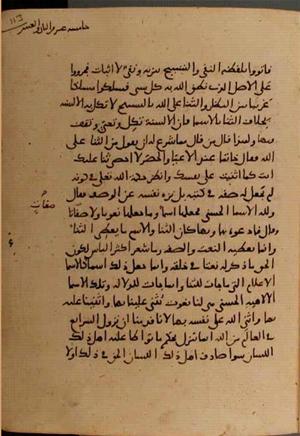
Yazma görüntüsüYazma cildi 22 · Sayfa 226

Arapça ve İngilizce aynı Konya sayfa kimliğiyle bağlanır. Sayfa eşleştirmesi yaklaşıktır; doğrulamak için yazma görüntüsüne bakın.

Kahire kaynak referansı

Ibn al-Arabi, The Meccan Revelations — Yazma cildi 22 · Sayfa 226 — https://www.futmak.com/turkce/konya/pages.php?id=6758&text=both