
Futmak · الفتوحات المكية · Meccan Revelations

Fütûhât-ı Mekkiyye

Yazma cildi 22 · Sayfa 40

Konya yazması

Arapça kaynağı açİngilizce çeviriyi aç

Arapça

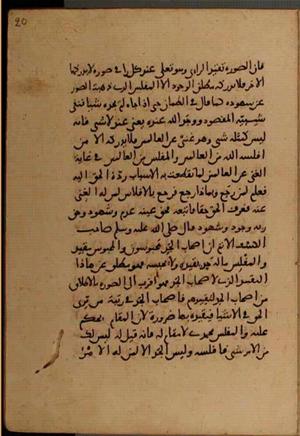
فإن الصورة تقيد الرائي، وهو تعالى عند كل راء في صورة لا يدركها الآخر، فلا يدركه مطلق الوجود إلا المفلس الذي ذهبت الصور عن شهوده.

كما قال في الظمآن: «حتى إذا جاءه لم يجده شيئا»، فنفى شيئية المقصود. «ووجد الله عنده» [النور: 39]، يعني عند لا شيء؛ فإنه ﴿لَيْسَ كَمِثْلِهِ شَيْءٌ﴾ [الشورى: 11]، وهو ﴿غَنِيٌّ عَنِ الْعالَمِينَ﴾ [آل عمران: 97]، فلا يدركه إلا من أفلسه الله من العالمين. والمفلس من العالمين في غاية الغنى عن العالمين.

لما تقطعت به الأسباب، رده الحق إليه، فعلم لمن رجع وبما ذا رجع؛ فرجع بالإفلاس لمن له الغنى عنه، فعرف الحق حقا فاتبعه؛ فحق عينه عدم وشهود، وحق ربه وجود وشهود.

قال ص، صاحب الكشف الأتم: «إن أصحاب الجد محبوسون». والمحبوس مقيد، والمفلس ما له جد[8] يقيده ولا يحبسه؛ فهو مطلق عن هٰذا التقييد الذي لأصحاب الجد، فهو أقرب إلى الصورة بالإطلاق من أصحاب الجد لتقييدهم.

فأصحاب الجد في رتبة من يرى الحق في الأشياء، فيقيده بها ضرورة؛ لأن المقام يحكم عليه. والمفلس محمدي لا مقام له؛ فإنه قيل له: «ليس لك من الأمر شيء» [آل عمران: 128]، فأفلسه. وليس الجد إلا لمن له الأمر.

(التكوين والبقاء على الأصل)

Notlar

[8]

(الإفلاس في هذا المقطع مقام التجرد عن الركون إلى ما سوى الله؛ يقابله المؤلف بالجد الذي يقيد صاحبه.)
İngilizce

the form limits the observer. For every observer He, exalted is He, is in a form not apprehended by another. None apprehends Him as unrestricted in existence except the bankrupt person from whose witnessing the forms have disappeared.

As He said concerning the thirsty person, “Until, when he comes to it, he finds it to be no thing”—negating the thingness of the object sought—“and finds God with it” [al-Nur 24:39], meaning with no thing. “Nothing is like His likeness” [al-Shura 42:11], and He is “independent of the worlds” [Al ʿImran 3:97]. Only one whom God has made bankrupt of the worlds apprehends Him. The one bankrupt of the worlds is at the utmost independence from the worlds.

When the means were severed from him, the Real returned him to Himself. He knew to whom he returned and with what he returned: through bankruptcy he returned to the One who possesses independence of him. He knew the Real truly and followed Him. The truth of his entity is nonexistence and witnessing, and the truth of his Lord is existence and witnessing.

He, God bless him and grant him peace, the possessor of the most complete unveiling, said, “The people of wealth are detained.” One detained is confined, whereas the bankrupt person has no wealth[8] to confine or detain him. He is free of this confinement belonging to the people of wealth, and so is closer to the form through unrestrictedness than the people of wealth, because of their confinement.

The people of wealth have the rank of one who sees the Real in things and necessarily limits Him through them, for the station rules over him. The bankrupt person is Muhammadan and has no station. He was told, “None of the affair is yours” [Al ʿImran 3:128], which made him bankrupt. Wealth belongs only to one who possesses the affair.

(Engendering and Remaining upon the Root)

Notlar

[8]

(Bankruptcy in this passage is the station of detachment from reliance upon what is other than God. The author contrasts it with wealth, which confines its possessor.)

Yazma görüntüsüYazma cildi 22 · Sayfa 40

Arapça ve İngilizce aynı Konya sayfa kimliğiyle bağlanır. Sayfa eşleştirmesi yaklaşıktır; doğrulamak için yazma görüntüsüne bakın.

Kahire kaynak referansı

Ibn al-Arabi, The Meccan Revelations — Yazma cildi 22 · Sayfa 40 — https://www.futmak.com/turkce/konya/pages.php?id=6572&text=both