
Futmak · الفتوحات المكية · Meccan Revelations

Fütûhât-ı Mekkiyye

Yazma cildi 22 · Sayfa 29

Konya yazması

Arapça kaynağı açİngilizce çeviriyi aç

Arapça

ممن لا يقبله.

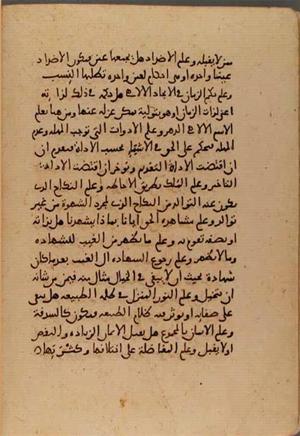
وعلم الأضداد: هل يجمعها عين فتكون الأضداد عينا واحدة أو هي أحكام لعين واحدة تطلبها النسب؟ وعلم حكم الزمان في الإيجاد الإلهي هل حكمه في ذٰلك لذاته، أعني لذات الزمان، أو هو بتولية يمكن عزله عنها؟ ومن هنا يعلم الاسم الإلهي الدهر.

وعلم الأدوات التي توجب المهلة[5] وعدم المهلة، فيحكم على الحق في الأشياء بحسب الأداة فيقدم إن اقتضت الأداة التقديم، ويؤخر إن اقتضت الأداة التأخير؛ وعلم الملك بطريق الإحاطة؛ وعلم النكاح الذي يكون عنه التوالد من النكاح الذي لمجرد الشهوة من غير توالد.

(المشاهدة والغيب والإيمان)

وعلم مشاهدة الحق إيانا: بما ذا يشهدنا؟ هل بذاته أو بصفة تقوم به؟ وعلم ما يظهر من الغيب للشهادة وما لا يظهر؛ وعلم رجوع الشهادة إلى الغيب بعد ما كان شهادة بحيث أن لا يبقى في الخيال مثال منه فيمن من شأنه أن يتخيل.

وعلم النور المنزل في ظلمة الطبيعة هل يبقى على صفائه أو يؤثر فيه ظلام الطبيعة فيكون كالسدفة؟ وعلم الايمان بالمجموع هل يقبل الايمان الزيادة والنقص أو لا يقبل؟ وعلم المفاضلة على اختلافها وكثرتها.

Notlar

[5]

(صُحّحت «الأموات» إلى «الأدوات» بمقابلة الطبعة الأحدث، ويؤيده الحديث التالي عن الأداة والتقديم والتأخير.)
İngilizce

who does not.

Knowledge of opposites: does one entity gather them, so that opposites are one entity, or are they rulings of one entity required by relations? Knowledge of time’s ruling in the divine bringing into existence: does its ruling there belong to its essence—I mean time’s essence—or to an appointment from which it can be dismissed? From here the divine name Time is known.

Knowledge of the particles that entail delay[5] or no delay. Judgment concerning the Real in things follows the particle: He gives precedence if the particle requires precedence, and defers if it requires deferral. Knowledge of dominion through encompassing; and knowledge of intercourse producing offspring as distinct from intercourse solely for appetite, without offspring.

(Witnessing, the Unseen and Faith)

Knowledge of the Real’s witnessing us: through what does He witness us—through His Essence or through an attribute subsisting in Him? Knowledge of what appears from the unseen into the witnessed and what does not appear; and knowledge of the witnessed returning to the unseen after being witnessed, such that no image of it remains in the imagination of anyone capable of imagining.

Knowledge of light sent down into Nature’s darkness: does it retain its purity, or does Nature’s darkness affect it so that it becomes like twilight? Knowledge of faith in the totality: does faith admit increase and decrease, or does it not? And knowledge of differences in excellence in their variety and multiplicity.

Notlar

[5]

(“الأموات,” “the dead,” has been corrected to “الأدوات,” “the particles/instruments,” by comparison with the newer edition. The following discussion of the particle/instrument, precedence and deferral supports this.)

Translator’s note TN6561-1: Adawāt (الأدوات) can mean instruments or grammatical particles; the discussion of delay, precedence and deferral favors “particles” here. The unvocalized الملك is read as mulk, “dominion”; other vocalizations are not settled by this brief catalog entry.

Yazma görüntüsüYazma cildi 22 · Sayfa 29

Arapça ve İngilizce aynı Konya sayfa kimliğiyle bağlanır. Sayfa eşleştirmesi yaklaşıktır; doğrulamak için yazma görüntüsüne bakın.

Kahire kaynak referansı

Ibn al-Arabi, The Meccan Revelations — Yazma cildi 22 · Sayfa 29 — https://www.futmak.com/turkce/konya/pages.php?id=6561&text=both