Fütûhât-ı Mekkiyye

Yazma cildi 22 · Sayfa 5

Konya yazması

Arapça kaynağı açİngilizce çeviriyi aç

Arapça

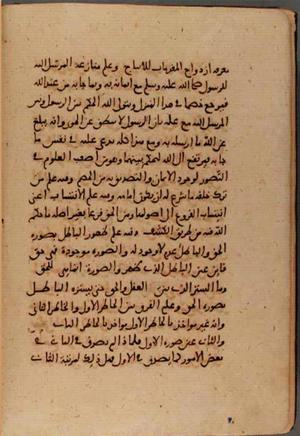
معرفة ازدواج المقدمات للإنتاج.

(من علوم التحاور والمنازعة)

وعلم منازعة المرسل إليه للرسول ص مع إيمانه به وبما جاء به من عند الله، فيرجع خصما في هٰذا المنزل، ويتولى الله الحكم بين الرسول وبين المرسل إليه مع علمه بأن الرسول لا ينطق عن الهوى وإنه يبلغ عن الله ما أرسله به؛ ومع هٰذا كله يدعى عليه في نفس ما جاء به، فيرتفع إلى الله ليحكم بينهما. وهو من أصعب العلوم في التصور لوجود الايمان والتصديق به من الخصم.

وفيه علم من ترك خلفه ما شرع له أن يكون أمامه. وفيه علم الانتساب، أعني انتساب الفروع إلى أصولها؛ ومن ألحق فرعا بغير أصله، ما حكم الله فيه من طريق الكشف؟

وفيه علم ظهور الباطل بصورة الحق؛ والباطل عدم لا وجود له، والصورة موجودة فهي حق، فأين عين الباطل الذي ظهر، والصورة إنما هي للحق؟ وما الستر الذي بين العقل والحق حتى يستره الباطل بصورة الحق؟

وعلم الفرق بين الخاطر الأول والخاطر الثاني، وإنه غير مؤاخذ بالخاطر الأول، مؤاخذ بالخاطر الثاني والثاني عين صورة الأول؛ فلما ذا لم يصدق في الثاني في بعض الأمور كما يصدق في الأول؟ فهل ذٰلك لمرتبة الثاني؟
İngilizce

gnosis of premises’ coupling to produce a conclusion.

(Sciences of Dialogue and Disputation)

Knowledge of the recipient’s disputing the Messenger, God bless him and grant him peace, despite believing him and what he brought from God. He becomes an adversary within this Abode, and God judges between Messenger and recipient. He knows the Messenger does not speak from caprice and conveys what God sent him with. Nevertheless he brings a claim against him concerning what he brought, and the matter rises to God to judge between them. This is among the hardest sciences to conceive, because the adversary believes and affirms him.

It contains knowledge of one leaving behind what was prescribed to stand before him; knowledge of affiliation, branches’ affiliation to their roots; and God’s ruling, through unveiling, upon one attaching a branch to something other than its root.

It contains knowledge of falsehood’s appearing in truth’s form. Falsehood is nonexistent; the form exists and is true. Where, then, is the entity of the falsehood appearing, when the form belongs only to truth? What veil between intellect and truth allows falsehood to veil it in truth’s form?

And knowledge of the difference between first and second promptings. One is not held accountable for the first, but is for the second, the very form of the first. Why is the second not truthful in some affairs as the first is? Is this through the second’s rank?

Yazma görüntüsüYazma cildi 22 · Sayfa 5

Arapça ve İngilizce aynı Konya sayfa kimliğiyle bağlanır. Sayfa eşleştirmesi yaklaşıktır; doğrulamak için yazma görüntüsüne bakın.

Kahire kaynak referansı

Ibn al-Arabi, The Meccan Revelations — Yazma cildi 22 · Sayfa 5 — https://www.futmak.com/turkce/konya/pages.php?id=6537&text=both