Fütûhât-ı Mekkiyye

Yazma cildi 20 · Sayfa 180

Konya yazması

Arapça kaynağı açİngilizce çeviriyi aç

Arapça

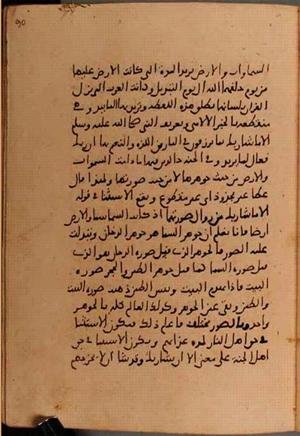
السَّماواتُ والْأَرْضُ﴾، يريد المدة التي كانت الأرض عليها من يوم خلقها الله إلى يوم التبديل، وكانت العرب التي نزل القرآن بلسانها تطلق هذه اللفظة[22] وتريد بها التأبيد، وهي منقطعة بالخبر الإلهي وتعريف النبي صلى الله عليه وسلم: ﴿إِلَّا ما شاءَ رَبُّكَ﴾ بما يرزقون في النار من اللذة والنعيم بها، ﴿إِنَّ رَبَّكَ فَعَّالٌ لِما يُرِيدُ﴾ [هود: ١٠٧].

وفي الجنة ﴿خالِدِينَ فِيها ما دامَتِ السَّماواتُ والْأَرْضُ﴾ [هود: ١٠٨] من حيث جوهرها، لا من حيث صورتها؛ ولهٰذا قال: ﴿عَطاءً غَيْرَ مَجْذُوذٍ﴾، أي غير مقطوع، ويقع الاستثناء في قوله: ﴿إِلَّا ما شاءَ رَبُّكَ﴾ من زوال صورتهما، إذ كانت السماء سماء والأرض أرضا.

فإنا نعلم أن جوهر السماء هو جوهر الدخان، وتبدلت عليه الصور، فالجوهر الذي قبل صورة الدخان هو الذي قبل صورة السماء، كما قبل جوهر الطين والحجر صورة البيت؛ فإذا تهدم البيت ويبس الطين، ذهبت صورة البيت والطين، وبقي عين الجوهر.

وكذٰلك العالم كله بالجوهر واحد، وبالصور مختلف، فاعلم ذٰلك. فيكون الاستثناء في حق أهل النار لمدة عذابهم، ويكون الاستثناء في حق أهل الجنة على معنى: إلا أن يشاء ربك، وقد شاء أن لا يخرجهم،

Notlar

[22]

(الإشارة إلى عبارة «ما دامت السماوات والأرض». يفرق المصنف في تأويلها بين دوام الصورة ودوام الجوهر.)
İngilizce

the heavens and earth endure”—meaning the period of earth’s condition from God’s creating it until the day of replacement. The Arabs in whose language the Qur’an descended used this expression[22] to mean perpetuity, though it is cut short through divine reporting and the Prophet’s making-known, God bless him and grant him peace: “except what your Lord wills,” through the pleasure and bliss granted them in the Fire through it. “Your Lord does whatever He wills” [Hud 11:107].

In the Garden, “Abiding therein as long as the heavens and earth endure” [Hud 11:108] concerns their substance, not their form. Hence “a gift unsevered,” uninterrupted. The exception, “except what your Lord wills,” concerns their forms’ departure, when heaven was heaven and earth earth.

We know heaven’s substance is smoke’s substance, upon which forms change. The substance receiving smoke’s form receives heaven’s form, as clay’s and stone’s substance receives a house’s form. When the house collapses and clay dries, the forms of house and clay depart while the substance’s entity remains.

Likewise the whole world is one in substance, differing in forms. Know this. The exception for the Fire’s people concerns their torment’s duration; for the Garden’s people it means unless your Lord wills. He has willed not to expel them,

Notlar

[22]

(The reference is to “as long as the heavens and earth endure.” In interpreting it, the author distinguishes form’s permanence from substance’s permanence.)

Yazma görüntüsüYazma cildi 20 · Sayfa 180

Arapça ve İngilizce aynı Konya sayfa kimliğiyle bağlanır. Sayfa eşleştirmesi yaklaşıktır; doğrulamak için yazma görüntüsüne bakın.

Kahire kaynak referansı

Ibn al-Arabi, The Meccan Revelations — Yazma cildi 20 · Sayfa 180 — https://www.futmak.com/turkce/konya/pages.php?id=6108&text=both